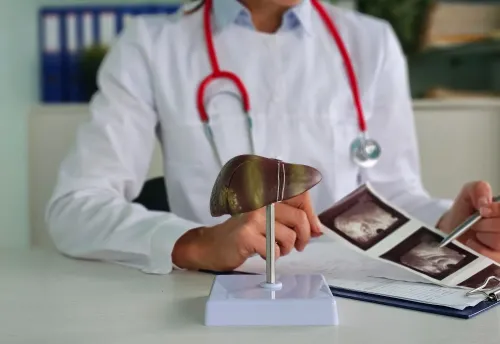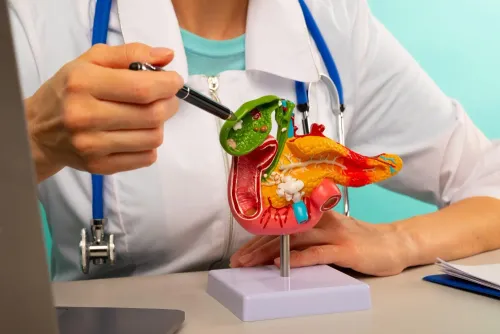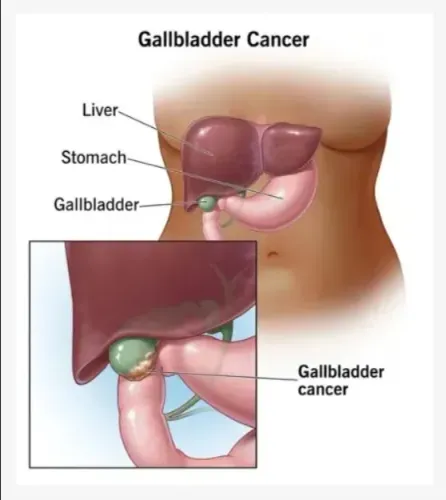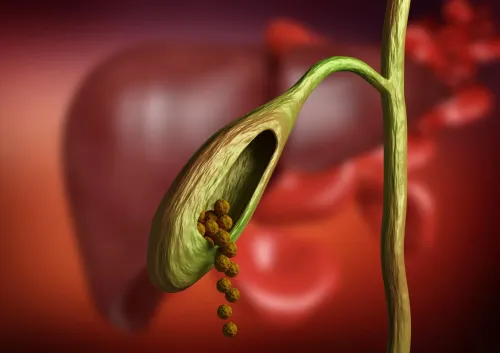

A suspected acute hepatitis episode needs the right level of care: some people need same-day emergency assessment, while others need a prompt outpatient hepatology appointment. You will learn how to recognise that difference, prepare useful information, understand the tests, and choose a Pune or PCMC service equipped to escalate care when liver function worsens.
Key takeaways
- Go to emergency care for confusion, severe vomiting, bleeding, or extreme drowsiness.
- Record every medicine, supplement, alcohol intake, symptom, and test result before booking.
- Treatment depends on whether hepatitis is viral, autoimmune, toxic, alcohol-related, or blood-flow related.
- Check a specialist’s liver expertise, urgent-care access, testing plan, and follow-up process.
When should you book a specialist, and when should you go straight to the emergency department?
Acute hepatitis is a syndrome, not a diagnosis of viral hepatitis. Hepatitis A, B, C, or E, drug- or supplement-induced liver injury, alcohol-associated injury, autoimmune hepatitis, and reduced blood flow to the liver can all cause it.
Book an acute hepatitis doctor in Pune for prompt assessment if you develop new jaundice, dark urine, pale stools, persistent nausea, abnormal liver tests, or a recent exposure.
Go straight to an emergency department if you have:
- Confusion or unusual sleepiness
- Bleeding, repeated vomiting, or inability to keep fluids down
- Severe right-upper-abdominal pain
- Fainting, very little urine, or rapidly worsening jaundice
- A suspected paracetamol overdose
Do not wait for an acute hepatitis consultation in Pune after a suspected overdose; prompt N-acetylcysteine treatment can be time-critical.
Acute liver failure means acute liver injury with impaired clotting, shown by a raised prothrombin time or INR, plus altered mental status in someone without established cirrhosis. Acute hepatitis without these features may be assessed urgently as an outpatient.
Chronic hepatitis, bile duct obstruction from gallstones or another blockage, and drug-induced liver injury need different investigations rather than an automatic viral-hepatitis assumption. Stop alcohol and avoid self-medicating with paracetamol or herbal products, but do not stop or increase prescribed medicines without clinician advice.
What should you do and record before the appointment?
Until assessed, stop alcohol. Do not self-medicate with paracetamol (acetaminophen) or herbal products, and ask a clinician before taking any medicine that could affect the liver. Prescribed medicines must not be stopped or increased without clinician guidance. Avoid sharing razors or toothbrushes, and do not donate blood while infection is suspected.
Before you book a hepatitis specialist in Pune, prepare this checklist:
1. Record the symptom start date, fever, vomiting, urine or stool changes, travel, unsafe water or food exposure, household or sexual exposure, tattoos or piercings, injections, and blood transfusions.
2. List every prescription medicine, over-the-counter product, painkiller, supplement, and herbal remedy, with its dose and start date. Record your alcohol intake, pregnancy status, and hepatitis vaccination history.
3. Take previous blood-test reports, scan reports, and medicine packets or photographs of their labels. Write down your last dose of paracetamol and any recent dose increase.
4. Ask how to prevent household or sexual transmission. Ask whether eligible household or sexual contacts need hepatitis A hygiene advice or vaccination, and whether anyone exposed to hepatitis B needs vaccination or prompt post-exposure prophylaxis after that specific exposure.
These details help the clinician identify viral hepatitis, medicine-related injury, or another cause and decide whether outpatient review remains safe.
What happens during an acute hepatitis consultation in Pune?
An acute hepatitis consultation in Pune starts with a detailed history: symptom onset, jaundice, urine and stool changes, fever, vomiting, medicines, supplements, alcohol, travel, food or water exposure, and possible blood or sexual exposure. The specialist examines your skin and eyes, abdomen, hydration, mental status, and signs of bleeding, then reviews every previous report.
Expect a focused work-up:
- Repeat ALT and AST, bilirubin, prothrombin time or INR, albumin, creatinine, glucose, and a complete blood count. A high ALT or AST proves hepatocellular injury; it does not automatically prove reduced liver function.
- Use targeted viral testing rather than assuming every case is viral hepatitis. Hepatitis A IgM supports recent infection. Hepatitis B needs a panel, not one marker. Hepatitis C antibody shows exposure, while HCV RNA confirms current infection and detects early infection. Hepatitis E requires prompt review during pregnancy.
- Have an ultrasound when bile duct obstruction, gallstones, or another structural cause is suspected.
Bilirubin, INR or prothrombin time, glucose, creatinine, and mental status help determine urgency, even when ALT or AST is extremely high. Ask why each test is being repeated: one report cannot identify the cause or predict recovery. Results tracked over time can show improvement, persistent injury, or deterioration requiring hospital care.
How does treatment change when the cause is different?
Treatment follows the cause, not jaundice alone. Uncomplicated hepatitis A is managed with hydration, nutrition as tolerated, and symptom relief; no specific antiviral is used. Hepatitis E is often self-limited in immunocompetent adults, but pregnancy, especially later pregnancy, requires prompt assessment.
Acute hepatitis B is usually monitored and supported; severe or protracted disease may require tenofovir or entecavir under specialist supervision.
Newly acquired hepatitis C needs HCV RNA confirmation because antibody can remain negative early. Current guidance favours direct-acting antiviral treatment rather than waiting for spontaneous clearance in most patients.
Other causes trigger different decisions:
- Drug- or supplement-induced liver injury: identify and stop the suspected non-essential culprit with clinician guidance. Do not stop prescribed medicines independently.
- Alcohol-associated injury: stop alcohol and assess nutrition, withdrawal risk, and complications.
- Autoimmune hepatitis: specialist review is needed because corticosteroid-based treatment may be appropriate.
- Ischaemic injury: restore circulation and oxygen delivery while treating the underlying shock or heart problem.
- Paracetamol overdose: treat it as time-critical; prompt N-acetylcysteine can prevent progression to acute liver failure.
Obstructive jaundice from a gallstone or bile-duct blockage follows an imaging and drainage pathway, not routine acute-hepatitis care. Chronic hepatitis needs staging, cause-specific treatment, and long-term monitoring. Hepatitis treatment in PCMC follows the same cause-specific standards as elsewhere; speed and access to appropriate care matter more than the locality.
How do you choose the right Pune or PCMC service when booking?
Start with urgency, not the clinic label. Before you book an acute hepatitis treatment specialist in Pune, confirm that the service can match your condition to the right level of care.
| Stable outpatient | Emergency pathway |
|---|---|
| New jaundice or abnormal tests, with no confusion, bleeding, or persistent vomiting | Confusion, unusual sleepiness, fainting, repeated vomiting, very little urine, or rapidly worsening jaundice |
| Clinic assessment with planned follow-up | Emergency department assessment and hospital monitoring |
Ask the service:
- Does a hepatology team assess acute hepatitis?
- Can you obtain same-day INR, glucose, bilirubin, and creatinine results?
- Who checks mental status and reviews worsening results, and how quickly?
- Can the service arrange emergency admission and intensive-care support?
- If acute liver failure develops, can it arrange early referral to a transplant centre?
A high ALT or AST alone does not prove liver failure. INR, glucose, creatinine, bilirubin, and mental status decide urgency, so a clinic that cannot obtain or act on these results is a poor fit.
Hepatitis treatment in PCMC follows the same cause-specific medical standards as Pune. The useful difference is capability and speed, not a separate treatment regimen. When you book hepatitis specialist in Pune, ask whether the appointment is suitable for a stable outpatient or whether you should go to an emergency department first.
Dr Amol Jadhav's Comprehensive Liver Care Center is one Pune option for specialist hepatobiliary and liver care; match its service capacity to the patient’s urgency and testing needs.
Related service
Acute Hepatitis Treatment Specialist in Pune, PCMC, Maharashtra Acute hepatitis is a clinical diagnosis characterized by acute inflammation or injury to hepatocytes, resulting in fever, abdominal pain, jaundice,... View service → |
Frequently asked questions
When should you book an acute hepatitis specialist in Pune instead of going to emergency care?
Book an acute hepatitis doctor in Pune for jaundice, dark urine, abnormal liver tests, or ongoing symptoms. Go straight to an emergency department for confusion, severe drowsiness, repeated vomiting, bleeding, fainting, or rapidly worsening illness.
What should you record before an acute hepatitis consultation in Pune?
Record symptom dates, urine and stool changes, fever, pain, vomiting, alcohol intake, every medicine and supplement, recent travel, food or water exposure, medical conditions, and previous liver tests. Carry prescriptions, reports, and imaging.
How does treatment change when the cause of acute hepatitis is different?
Hepatitis A and E often require supportive care, while hepatitis B or C can require specialist antiviral decisions. Drug-induced injury requires stopping the suspected agent under medical guidance; autoimmune hepatitis and reduced liver blood flow need different urgent treatments.
How do you choose hepatitis treatment in PCMC or Pune?
Compare the service’s hepatobiliary expertise, access to liver-function and viral testing, emergency escalation pathway, ability to review medicines and supplements, and planned follow-up. Ask who will coordinate care if the liver worsens.
Keywords