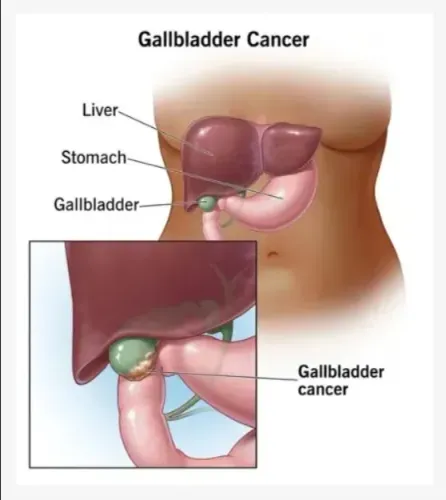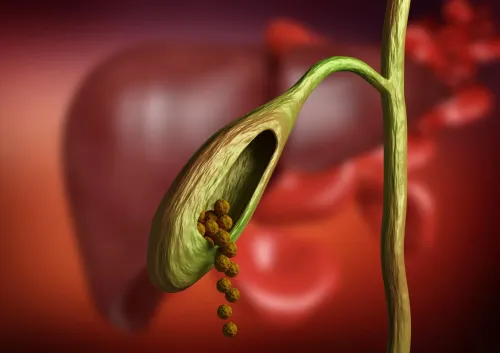
Gallbladder removal is not automatically the same as cancer surgery, and surgery alone is not the right plan for every tumour. The decision depends on tumour depth, lymph nodes, margins, spread, operability and the patient’s ability to tolerate further treatment; the sections below show how to compare these choices and prepare for a specialist review.
Key takeaways
- Surgery alone fits selected R0, early-stage tumours without high-risk findings.
- Ask whether pathology shows tumour depth, lymph-node spread, vascular invasion, or positive margins.
- Choose a team that coordinates hepatobiliary surgery, oncology, radiology, and pathology.
- Take scans, pathology slides, reports, medicines, and prior operation details to your appointment.
When is surgery alone enough, and when is combined treatment needed?
Surgery alone is enough only when the tumour is completely removed with an R0 margin and the remaining recurrence risk is acceptably low. The decision depends on TNM stage, tumour depth, lymph-node and vascular involvement, distant spread, pathology findings and fitness for major surgery.
| Stage or situation | Usual treatment discussion | Why it matters |
|---|---|---|
| T1a | Cholecystectomy alone may be definitive | Tumour is confined to the lamina propria, with the gallbladder and margins completely removed |
| T1b | Specialist review of re-resection and adjuvant treatment | Muscle-layer invasion carries a different recurrence risk |
| T2 or T3 | Completion radical surgery in a fit patient | Liver-bed resection and regional lymph-node dissection may be needed to achieve R0 |
| Unresectable or metastatic | Systemic treatment, including gemcitabine, cisplatin and durvalumab | An operation that cannot remove all disease cannot provide curative treatment |
A laparoscopic cholecystectomy can therefore be adequate for carefully reviewed T1a disease. T1b disease needs specialist discussion, while T2 and T3 cancers generally prompt discussion of completion radical surgery.
Even after an R0 resection, microscopic recurrence remains possible. Six months of postoperative capecitabine is an evidence-based option, adjusted for margins, nodes, tumour grade, lymphovascular or perineural invasion, kidney function and recovery. Selected margin-positive or locally high-risk cases may also prompt radiation.
Neoadjuvant treatment belongs to selected borderline-resectable or locally advanced tumours, not every clearly resectable cancer. This is the central issue in gallbladder cancer treatment versus surgery in Pune.
What does gallbladder cancer surgery actually involve?
A simple laparoscopic or open cholecystectomy removes the gallbladder, often for presumed stones; it is not automatically a complete cancer operation. If tumour extends into the muscular wall or beyond, removing only that organ can leave disease in the liver bed or regional lymph nodes.
If pathology unexpectedly finds cancer, ask the team to review the original operation, how the tumour was handled, the pathology slides and the cystic-duct margin. This review determines whether an oncologic re-resection is needed and whether the first operation compromised margin assessment.
For medically fit patients with resectable T2 or T3 disease, discussion commonly turns to completion radical cholecystectomy: removal of the gallbladder bed, usually a wedge resection or segment IVb/V liver resection, plus regional lymph-node dissection.
A major hepatectomy is not automatic. Propose it only when tumour extent requires it and an R0 margin remains achievable.
Extrahepatic bile-duct resection belongs in the plan when tumour directly involves the duct, a clear ductal margin cannot otherwise be obtained, or reconstruction is needed. Adding it without a clear oncologic reason increases operative risk.
For a gallbladder cancer surgery in Pune consultation, ask:
- Is this a simple removal, completion radical resection, or major liver-and-bile-duct surgery?
- How many regional lymph nodes will be assessed?
- What is the plan if the operation finds peritoneal or distant spread?
Which pathology and scans decide whether more treatment is needed?
The pathology report determines what was removed and how deeply cancer invaded. Review the pT stage, tumour grade, lymphovascular invasion, perineural invasion, cystic-duct margin, liver-bed margin, bile-duct margin and lymph-node status.
After an incidental finding, request the original report and the glass slides or paraffin blocks for specialist pathology review, especially if tumour depth or margins are unclear.
Staging should include contrast-enhanced multiphasic CT or liver MRI, chest imaging, blood tests and liver-function results. Request MRCP when the bile ducts need detailed mapping. PET-CT is for a specific unresolved staging question, not an automatic test. In selected patients, diagnostic laparoscopy finds small peritoneal or liver metastases that scans miss.
A gallbladder cancer second opinion in Pune should review the full DICOM image files, not only printed reports or scan photographs. Use this checklist:
- Confirm whether the liver is invaded, which bile ducts are involved, and whether major vessels can be safely separated from tumour.
- Check regional lymph nodes and distant organs, including the lungs, peritoneum and other liver areas.
- Ask whether the planned operation can remove all visible disease with an R0 margin.
- Ask whether laparoscopy is needed before committing to major surgery.
| Finding | Effect on resectability |
|---|---|
| Liver invasion | Determines the required liver resection and whether a clear margin is achievable |
| Bile-duct involvement | May require duct resection and biliary reconstruction |
| Vascular involvement | Can prevent safe complete removal or require complex reconstruction |
| Regional nodes | Indicates more advanced disease and affects additional treatment |
| Distant spread | Usually shifts treatment away from an operation that cannot achieve cure |
How should you choose specialist care in Pune or PCMC?
Choose the team, not the address. A gallbladder cancer specialist in Pune should have hepatopancreatobiliary or liver-transplant surgery training, experience with oncologic liver and biliary resections, and access to specialist radiology and pathology review.
| Check | What to verify | Why it matters |
|---|---|---|
| Training | HPB or liver-transplant surgery credentials | Complex liver and bile-duct operations require specific expertise |
| Team | Medical and radiation oncology, intensive care and a multidisciplinary tumour board | Surgery may need chemotherapy, radiotherapy or critical-care support |
| Decision process | Documented TNM stage, realistic R0 margin and planned lymph-node assessment | The operation must aim to remove all visible cancer safely |
The label “cancer surgeon” alone does not show that a team performs complex gallbladder resections. Ask these questions before agreeing to treatment:
- Is the proposed operation based on a documented TNM stage?
- Is an R0 margin realistic, and how will the team assess lymph nodes?
- Is bile-duct resection genuinely indicated, or would it add risk without improving cancer clearance?
- What happens if peritoneal or distant metastatic disease is found during surgery?
Gallbladder cancer treatment PCMC follows the same TNM staging, pathology and evidence-based principles used elsewhere in India. Pune versus PCMC mainly changes access to HPB surgery, oncology, radiotherapy, intensive care and follow-up, not the cancer standard.
Dr Amol Jadhav's Comprehensive Liver Care Center can provide one Pune-area hepatobiliary consultation when liver, bile-duct or transplant-surgery expertise is relevant. Compare the team’s documented decision process, not a location label or an unverified volume claim.
Related service
Gallbladder Cancer Treatment Specialist in Pune, PCMC, Maharashtra Gallbladder cancer is a growth of cells that begins in the gallbladder.The gallbladder is a small, pear-shaped organ on the right side of the belly,... View service → |
What should you take to the treatment decision appointment?
Bring the complete record, not a summary, so the team can judge stage, margins and resectability from evidence rather than recollection.
- Original pathology report, plus glass slides or paraffin blocks
- Operative note and discharge summary
- Full CT or MRI studies in DICOM format, with radiology reports
- Blood-test results and current medication list
- Details of every chemotherapy or radiation treatment already given
Ask the team to write down the clinical stage, whether the disease is resectable, the expected R0 margin, the planned lymph-node dissection and the reason for each treatment.
| Treatment path | What to clarify | Main decision point |
|---|---|---|
| Surgery alone | Is complete removal with negative margins realistic? | Early, fully excised disease |
| Surgery plus treatment | Is chemotherapy or radiation planned before or after surgery? | Positive margins, nodes or other high-risk findings |
| Non-operative treatment | What systemic treatment and symptom-focused care are available? | Unresectable or metastatic disease |
Ask what changes if the cystic-duct, liver-bed or bile-duct margin contains cancer. If cancer was found incidentally after gallbladder removal, ask whether a completion operation is needed.
A second opinion is especially valuable for T1b, T2 or T3 disease, positive margins, involved nodes, suspected bile-duct or vascular invasion, unclear pathology, or disagreement about major liver resection. These records let you compare surgery alone with multimodal treatment using the facts that determine benefit and risk.
Frequently asked questions
When is surgery alone enough for gallbladder cancer?
Surgery alone is considered when the tumour is completely removed with an R0 margin, staging shows limited disease, and pathology does not identify a recurrence risk requiring additional treatment.
What does gallbladder cancer surgery involve?
The operation depends on tumour stage and location. It can involve removal of the gallbladder, nearby liver tissue, regional lymph nodes, and bile-duct tissue when required to achieve complete removal.
Which reports determine whether more treatment is needed?
The decision uses TNM stage, tumour depth, margin status, lymph-node findings, vascular or perineural invasion, tumour grade, scans for residual or distant disease, and your fitness for further treatment.
How can you choose gallbladder cancer specialist care in Pune or PCMC?
Look for coordinated care from a hepatobiliary surgeon, medical oncologist, radiologist, and pathologist, with experience reviewing complex gallbladder cancer cases and offering second opinions.
What should you take to a gallbladder cancer treatment appointment?
Take CT or MRI images and reports, pathology reports and slides or blocks, operation notes, discharge summaries, blood-test results, medicine lists, and questions about margins, stage, recurrence risk, and next steps.
Keywords