Yellow eyes or skin after gallbladder pain can mean that bile is no longer reaching the intestine, especially when dark urine, pale stools, fever or worsening pain appear. You will learn which symptoms require an emergency department, which tests identify the blockage, and how care is arranged across Pune and PCMC.
Key takeaways
- Seek emergency care for jaundice with fever, severe pain, confusion, or repeated vomiting.
- Ultrasound checks for gallstones; MRCP or ERCP maps and treats bile duct blockage.
- Do not delay assessment if urine is dark, stools are pale, or eyes turn yellow.
- Treatment may require bile duct drainage before gallbladder surgery.
How a gallbladder problem causes jaundice
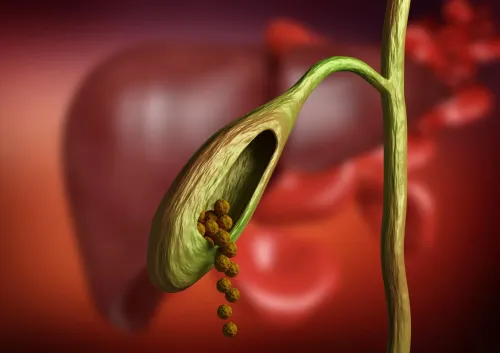
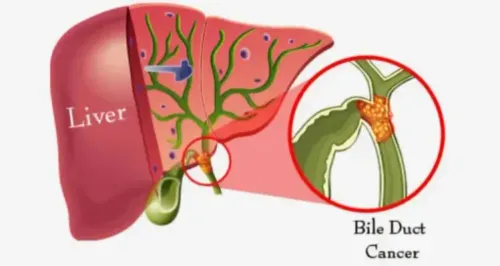
Bile carries bilirubin from the liver through the common bile duct into the intestine. A gallstone can leave the gallbladder and lodge in this duct; inflammation and swelling near the duct can also narrow or block bile flow. Bilirubin then backs up into the bloodstream, turning the eyes or skin yellow.
The kidneys excrete more bilirubin, causing dark urine, while too little bile reaches the intestine, producing pale or clay-coloured stools and itching.
An uncomplicated gallbladder attack usually causes episodic right-upper-abdominal pain, often after a fatty meal, without yellowing. Obstructive jaundice becomes more concerning when you notice:
- Yellow eyes or skin
- Dark urine or pale stools
- Persistent vomiting
- Fever or chills
- Worsening right-upper-abdominal pain
Jaundice with fever, chills or increasing pain can indicate acute cholangitis, an infection behind the blockage. Confusion, faintness, marked weakness or low blood pressure adds urgency. Do not wait for yellowing to disappear, even if the pain improves.
Jaundice is not typical of routine gallbladder pain. Hepatitis, medication-related liver injury and haemolysis can also raise bilirubin, so yellowing does not prove that a gallstone is responsible. Arrange medical assessment promptly, especially if urine, stool colour or itching changes persist.
When jaundice needs emergency care in Pune or PCMC
Go to an emergency department in Pune or PCMC immediately if yellow eyes or skin occur with fever or chills and right-upper-abdominal pain. Seek emergency care as well for confusion, faintness, low blood pressure, marked weakness, persistent vomiting or rapidly worsening pain.
These symptoms can indicate acute cholangitis, an infection in an obstructed bile duct. Bacteria can enter the bloodstream, causing sepsis, dangerously low blood pressure and kidney, liver or other organ dysfunction.
Do not wait for all classic symptoms to appear: the combination of pain, fever and jaundice is useful when present, but missing one feature does not exclude cholangitis.
Treat these as emergency warning signs:
- Fever or chills with jaundice, especially with right-upper-abdominal pain
- Confusion, faintness, low blood pressure or severe weakness
- Persistent vomiting or pain that is rapidly worsening
- Jaundice that continues or returns after an antibiotic, painkiller or low-fat diet
If you have stable yellowing without these warning signs, arrange a same-day or prompt review with a gastroenterologist, hepatobiliary surgeon or general surgeon. Do not wait for jaundice to disappear.
A small stone can intermittently block the duct, while painless progressive jaundice, weight loss or a markedly enlarged gallbladder needs investigation for causes beyond ordinary gallstones.
Search terms such as “jaundice from gallbladder problems doctor in Pune” or “jaundice specialist in Pune” should lead to care that can arrange urgent liver tests, ultrasound, MRCP or ERCP when necessary.
Which tests show a blocked bile duct and its cause
A doctor uses blood tests to confirm cholestasis, assess illness severity and suggest its cause. Total and direct bilirubin show how much bilirubin has accumulated; AST and ALT reflect liver-cell injury, while ALP and GGT support bile-flow obstruction.
- A complete blood count can show infection or anaemia.
- Kidney function tests show dehydration, sepsis-related injury or contrast-scan risk.
- Clotting tests, especially prothrombin time and INR, show impaired liver synthesis or bleeding risk.
Abdominal ultrasound is usually the first scan: it can show gallstones, gallbladder inflammation and a widened bile duct. A normal scan does not reliably exclude a common-bile-duct stone. MRCP maps the ducts without instrumentation; endoscopic ultrasound finds small stones or tumours; contrast CT adds detail about pancreatitis, cancer and complications.
ERCP is reserved for drainage or stone removal because it can cause pancreatitis, bleeding, infection and perforation.
| Condition | Typical pattern | What helps separate it |
|---|---|---|
| Gallstone blockage | Direct bilirubin, ALP and GGT rise; AST or ALT can briefly become very high | Stone or duct widening on imaging |
| Hepatitis or drug injury | AST and ALT usually dominate | Exposure history and no obstructing lesion |
| Pancreatitis | Abdominal pain and raised lipase | Pancreatic inflammation on CT or ultrasound |
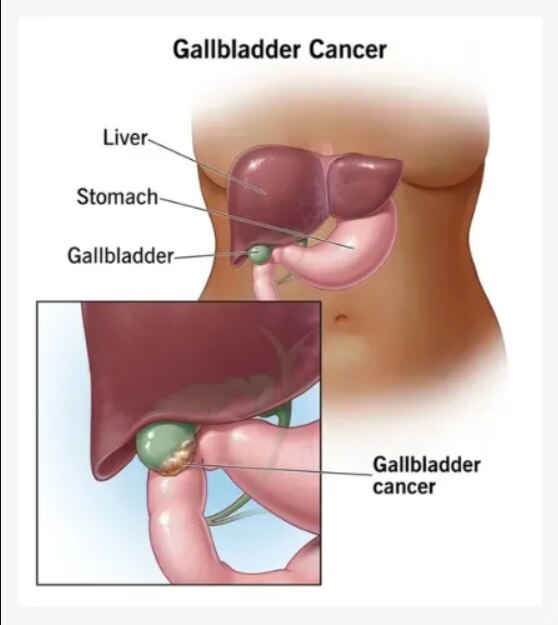
| Bile-duct or gallbladder cancer | Progressive cholestasis, weight loss or persistent obstruction | Mass or irregular narrowing on CT, MRCP or EUS |
| Haemolysis | Indirect bilirubin rises without cholestatic enzymes | Anaemia and haemolysis tests |
ERCP is appropriate when imaging shows a stone, cholangitis is present, or bilirubin exceeds 4 mg/dL with a dilated common bile duct.
How treatment proceeds after gallbladder-related obstruction is found
Treatment follows the blockage, infection risk and your fitness for a procedure; finding a stone does not mean every intervention is needed.
1. If fever, chills, sepsis or infected bile is suspected, hospital teams give intravenous fluids, blood tests and antibiotics. This stabilises infection but does not reliably clear a lodged duct stone.
2. ERCP passes through the mouth to the duodenum, opens the papilla and removes an accessible common-bile-duct stone. It can also drain infected bile through a small cut, nasobiliary drain or stent. ERCP treats the duct, not the stone-forming gallbladder, so stones can migrate again and cause cholangitis or pancreatitis if the gallbladder remains.
3. After duct clearance, a fit patient usually needs laparoscopic cholecystectomy. For acute calculous cholecystitis, early surgery during the same admission or within about one week is preferred when feasible; antibiotics alone can quiet the infection while leaving its source behind.
4. If a stone cannot be removed immediately, doctors may place a temporary stent or drainage catheter and plan repeat treatment. Stenting or drainage also helps when a bile-duct or gallbladder cancer is suspected and the obstruction requires relief before definitive treatment.
A routine gallbladder case does not require HPB surgery. Specialist hepatobiliary review matters for suspected malignancy, complex anatomy, failed or unsafe laparoscopy, recurrent obstruction or transplant-level disease. Dr Amol Jadhav's Comprehensive Liver Care Center can coordinate assessment, ERCP access and HPB surgical review across Pune or PCMC.
Related services
Jaundice Treatment Specialist in Pune, PCMC, Maharashtra Dr Amol Jadhav is one of the leading and best Jaundice Treatment Specialist in Pune, PCMC And Maharashtra. View service → |
Gallbladder Stone Treatment Specialist in Pune, PCMC, Maharashtra Dr Amol Jadhav is recognised as one of the leading and best Gall Bladder Stone treatment Specialist in Pune PCMC and Maharashtra. View service → |
What to do while waiting for assessment and after treatment
Until a clinician confirms that bile is flowing, treat the jaundice as unresolved. A low-fat diet, painkiller, antibiotic prescription or home remedy may ease symptoms without clearing a bile duct blockage.
1. Arrange prompt assessment, even if the yellowing is mild and you feel stable. Bring every medication name and dose, prior ultrasound or scan reports, and recent bilirubin, liver-function or blood-test results.
Do not delay emergency or same-day care while searching for a particular outpatient doctor; a gastroenterologist or hepatobiliary surgeon can coordinate the next test.
2. After treatment, monitor your eyes and skin, urine, stools, itching and pain. Persistent jaundice, dark urine, pale or clay-coloured stools, itching or recurrent right-upper-abdominal pain requires reassessment of the duct and bilirubin. After ERCP or surgery, follow the discharge plan and report symptoms that return rather than assuming the procedure solved every cause.
3. Return to an emergency department in Pune or PCMC for fever or chills, confusion, faintness, low blood pressure, marked weakness, persistent vomiting or worsening pain. These signs can accompany infected obstruction and sepsis.
Painless progressive jaundice, unexplained weight loss or a markedly enlarged gallbladder needs investigation beyond ordinary gallstones. Search terms such as “bile duct blockage jaundice doctor” or “jaundice specialist in pune” should lead to care with urgent blood tests, ultrasound and access to duct drainage when required.
Frequently asked questions
How can a gallbladder problem cause jaundice?
A gallstone can move into the common bile duct, or nearby inflammation can narrow it. Bile and bilirubin then back up into the bloodstream, causing yellow eyes or skin.
When does jaundice from a gallbladder problem need emergency care in Pune or PCMC?
Seek emergency care for jaundice with fever or chills, severe or persistent upper-right abdominal pain, confusion, fainting, repeated vomiting, or marked weakness. These symptoms can indicate an infected or severely blocked bile duct.
Which tests show a blocked bile duct and its cause?
Blood tests measure bilirubin, liver enzymes, and signs of infection. An abdominal ultrasound looks for gallstones and duct widening; MRCP provides detailed bile duct images, while ERCP can confirm and treat a blockage.
How is gallbladder-related jaundice treated after a blockage is found?
Doctors first address infection, dehydration, pain, and the obstruction. ERCP can remove a duct stone or place a stent to restore bile flow. Laparoscopic gallbladder removal is then considered when gallstones caused the blockage.
Related service
Bile Duct Stones Treatment Specialist in Pune, PCMC, Maharashtra Bile duct stones are gallstones in the bile duct. They can start in the gallbladder and migrate into the bile duct or they can form in the bile duct... View service → |
Keywords