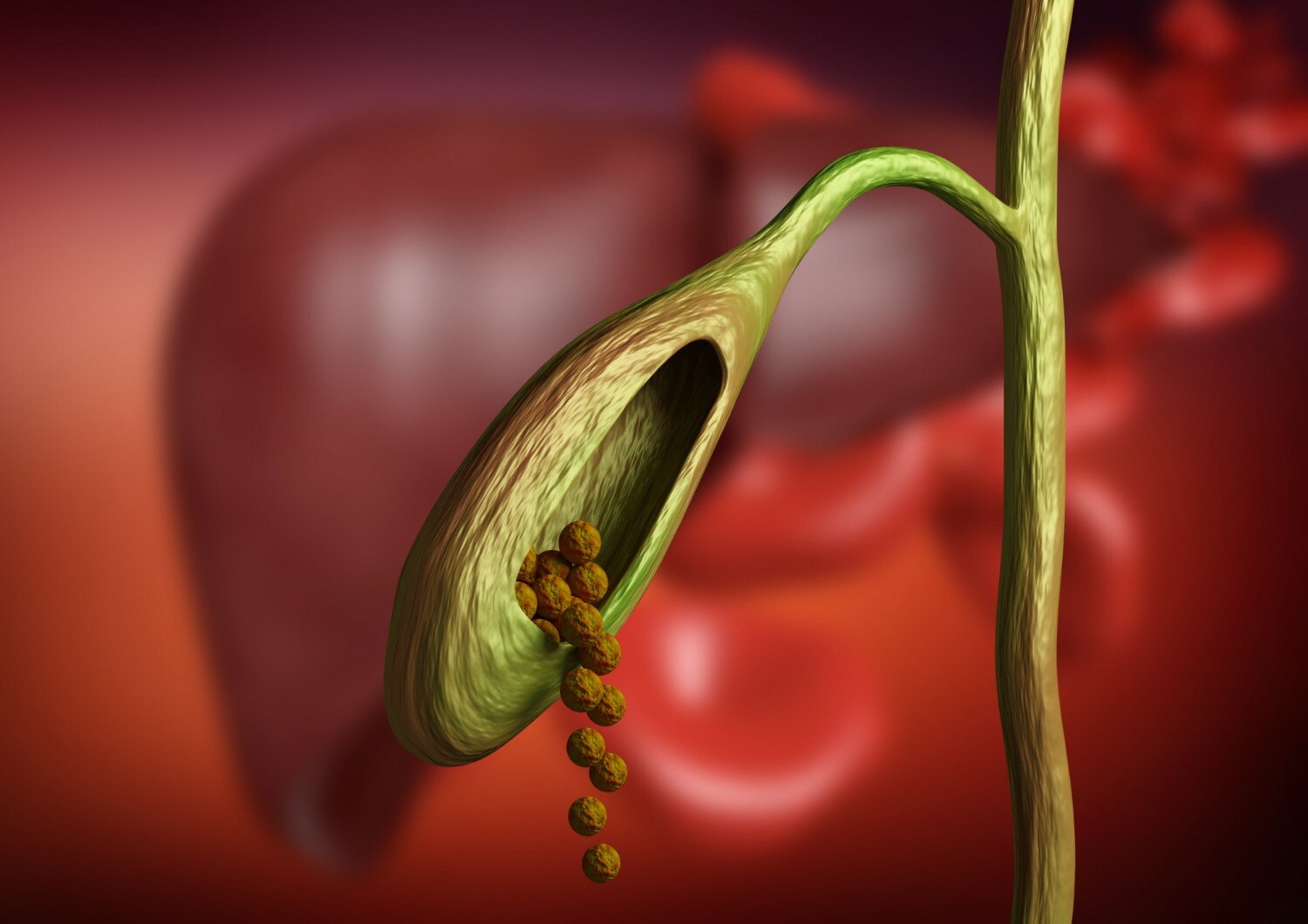
Medicines dissolve only certain types of gallstones and require a long treatment course, while laparoscopic cholecystectomy removes the gallbladder and is usually the definitive option for repeated symptoms or complications. You will be able to compare both choices, recognise urgent warning signs, and prepare for the tests and specialist discussion that determine the safer treatment.
Key takeaways
- Ursodiol suits selected small, non-calcified cholesterol stones.
- Laparoscopic removal prevents repeated attacks from a problematic gallbladder.
- Seek urgent care for severe pain, fever, jaundice, or persistent vomiting.
- Choose a Pune specialist who explains imaging, risks, and alternatives.
Can medicines dissolve gallbladder stones, and who can use them?
Medicine treatment for gallbladder stones usually means ursodeoxycholic acid, also called ursodiol. It can gradually dissolve selected small, non-calcified cholesterol stones when the gallbladder still functions. It is mainly considered when surgery is unsuitable or declined; it does not work well for calcified stones, pigment stones, or many large stones.
Before considering it, an ultrasound and clinical assessment must confirm the stone’s size, appearance, location, gallbladder function, and whether a bile-duct problem exists.
- Expect a long course: treatment can take months or years, not days.
- Take each dose as prescribed and attend follow-up imaging. A scan is needed to check whether the stones are shrinking or have disappeared.
- Understand the recurrence risk. The gallbladder remains in place, so stones can return after ursodeoxycholic acid stops, and treatment can fail.
Painkillers relieve biliary pain, anti-nausea medicines control vomiting, and antibiotics treat infection. Medicines used during bile-duct complications address obstruction or infection; none of these treatments dissolves gallbladder stones. This distinction matters when comparing gallbladder stone treatment options in Pune.
Stones found incidentally in someone who has never had symptoms usually need neither medicine nor surgery. Treatment decisions change when typical attacks or complications develop.
When is laparoscopic surgery better than medicine?
Laparoscopic cholecystectomy is generally better for adults with symptomatic gallstones because it removes the gallbladder, not just visible stones. Typical biliary pain is steady, severe pain in the right upper abdomen or epigastrium lasting at least 30 minutes and sometimes several hours. Bloating, acidity, or vague indigestion alone does not prove that gallstones are responsible.
Discuss surgery after:
- Recurrent biliary colic
- Acute cholecystitis
- Gallstone pancreatitis
- Obstruction-related complications
Repeated painkiller or antibiotic courses treat an attack but leave the gallbladder in place, so they do not reliably prevent another one.
| Option | Main advantage | Main limitation |
|---|---|---|
| Laparoscopic cholecystectomy | Faster, definitive treatment | Requires general anaesthesia and an operation |
| Ursodeoxycholic acid | Avoids surgery | Slow, suitable only for selected stones, with treatment failure or recurrence possible |
For someone comparing gallbladder stone surgery or medicine in Pune, the choice depends on symptoms, stone type and location, complications, pregnancy, other illnesses, and operative risk—not stone size alone. Medicine is usually reserved for selected cholesterol stones when the gallbladder functions and surgery is unsuitable or declined.
The same trade-off applies to searches for gallstone surgery versus medicine in Pune: surgery carries procedural risks but removes the source of new gallstones, while medicine can take months or longer and stones can return after treatment stops.
When do gallstones require urgent hospital treatment?
Do not wait for a routine appointment if you have fever with persistent right-upper-quadrant pain, yellow eyes or skin, persistent vomiting, or severe pain that is worsening. These symptoms need urgent hospital assessment, not home remedies or self-prescribed dissolution medicine.
Seek emergency care for:
- Fever, chills, right-upper-abdominal tenderness, and continuing pain, which can indicate acute cholecystitis or cholangitis
- Jaundice, dark urine, pale stools, or confusion, which can signal bile-duct obstruction or cholangitis
- Persistent vomiting or severe pain spreading to the back, which can occur with gallstone pancreatitis
Acute cholecystitis usually requires hospital treatment and early laparoscopic cholecystectomy when you are fit for surgery. Gallstone pancreatitis and a suspected common-bile-duct stone follow a different pathway from an uncomplicated gallbladder stone.
Ultrasound is usually the first test. Liver tests, bilirubin, and pancreatic enzymes help identify obstruction or pancreatitis. If a duct stone remains suspected, MRCP or endoscopic ultrasound can investigate it; ERCP is mainly used to remove the stone or drain an obstruction, not as a routine diagnostic test.
These findings change the gallbladder stone treatment options in Pune from a routine medicine-versus-surgery discussion to urgent coordinated care. Once the emergency is controlled, the team can plan gallbladder removal and further treatment.
What happens during laparoscopic gallbladder removal?
The operation uses general anaesthesia: you are asleep while the surgeon makes several small abdominal incisions, inserts a camera and instruments, and removes the gallbladder rather than only its visible stones.
Ask your treating team for the expected ranges for operating time, discharge, and return to work. Inflammation, common-bile-duct stones, previous abdominal surgery, and your overall health can change each timetable.
| Expectation | Usual laparoscopic course | What can change it |
|---|---|---|
| Incisions | Several small cuts with soreness for a few days | More inflammation or conversion to open surgery |
| Hospital stay | Discharge timing agreed with your team | Pain, vomiting, infection, or other medical problems |
| Activity | Gradual return with reduced lifting | Your surgeon’s wound and recovery instructions |
| Driving | Resume only when you can brake safely and are not taking sedating pain medicine | Pain, limited movement, or medication effects |
Follow wound-care instructions closely and keep the incisions clean and dry as directed. Contact the surgical team for worsening pain, fever, spreading redness, pus, or jaundice.
Uncommon but important risks include bile-duct injury, bile leak, bleeding, infection, retained duct stones, and conversion to open surgery. Ask how these risks apply to you before consenting.
The liver continues making bile after removal. Bile flows continuously into the intestine instead of being stored, so most people digest normally; temporary loose stools or food intolerance can occur. Stones cannot recur in a gallbladder that has been removed.
For gallstone surgery versus medicine in Pune, this definitive benefit must be weighed against anaesthesia and an operation.
How should you choose a gallstone specialist in Pune?
A gallstone specialist in Pune should match the problem, not just the scan. For gallbladder stone treatment options in Pune, start with the clinician who can identify whether you need cholecystectomy, ursodiol, ERCP, or further testing.
| Choice | Main role | Best fit |
|---|---|---|
| Hepatobiliary or general surgeon | Assesses whether gallbladder removal is appropriate | Recurrent symptoms, cholecystitis, or complications |
| Gastroenterologist with ERCP expertise | Removes many common-bile-duct stones and provides endoscopic drainage | Suspected duct obstruction or jaundice |
| Coordinated specialist team | Combines surgery, therapeutic endoscopy, anaesthesia, and imaging | Cholangitis, pancreatitis, cirrhosis, previous upper-abdominal surgery, or suspected cancer |
A suspected duct stone may need MRCP or endoscopic ultrasound; ERCP is mainly therapeutic, not a routine diagnostic test. Fever, jaundice, persistent vomiting, or worsening pain needs urgent hospital assessment rather than home remedies or self-prescribed medicine.
Dr Amol Jadhav's Comprehensive Liver Care Center is one Pune option for assessing complex liver, gallbladder, bile-duct, and pancreas cases; base the choice on findings and available support.
Take these to your appointment:
- Ultrasound report, liver-function and bilirubin results, medication list, pregnancy status when relevant, and previous-attack records.
- Ask whether stones are cholesterol or calcified, whether the gallbladder functions, and whether a duct stone is suspected.
- Ask why medicine is suitable or unsuitable and what follow-up imaging or treatment is planned.
Frequently asked questions
Can medicines dissolve gallbladder stones, and who can use them?
Ursodeoxycholic acid, or ursodiol, can gradually dissolve selected small, non-calcified cholesterol stones when the gallbladder still functions. It is mainly considered when surgery is unsuitable or declined. It does not work well for calcified stones, pigment stones, or many large stones.
When is laparoscopic surgery better than medicine?
Laparoscopic gallbladder removal is usually the more reliable option when stones cause repeated pain, inflammation, complications, or do not meet the conditions for ursodiol. It removes the gallbladder and prevents stones from forming there again.
When do gallstones require urgent hospital treatment?
Seek urgent treatment for severe or persistent upper-right abdominal pain, fever or chills, yellow skin or eyes, dark urine, pale stools, repeated vomiting, confusion, or abdominal tenderness. These symptoms can indicate infection, bile duct blockage, pancreatitis, or acute cholecystitis.
What happens during laparoscopic gallbladder removal?
After anaesthesia, the surgeon makes small abdominal incisions, inserts a camera, clips and divides the cystic duct and artery, and removes the gallbladder. The team checks for complications before closing the incisions and monitors you during recovery.
How should you choose a gallstone specialist in Pune?
Choose a specialist who reviews your ultrasound or other imaging, identifies stone type and complications, explains medicine and surgery, discusses bile duct evaluation, and provides clear advice about recovery and follow-up.
Keywords