Persistent or returning upper-abdominal pain after pancreatitis does not automatically mean you need an operation. You will learn which warning signs require emergency assessment, how doctors identify the cause, and when medication, endoscopy, gallbladder removal, drainage, or pancreatic surgery becomes the safer choice.
Key takeaways
- Seek emergency care for severe pain with vomiting, fever, jaundice, or confusion.
- Doctors use blood tests and imaging to confirm pancreatitis and assess complications.
- Hospital treatment starts with fluids, pain control, monitoring, and nutrition support.
- Treating gallstones, alcohol use, medicines, or duct problems helps prevent recurrence.
When returning pain needs emergency assessment
Persistent severe upper-abdominal pain after pancreatitis needs hospital assessment when it comes with repeated vomiting, fever, jaundice, confusion, fainting, breathlessness, very little urine, or inability to keep fluids down. Pain that spreads to the back and does not settle also deserves urgent review.
| Symptom or pattern | Safer next step | What it may signal |
|---|---|---|
| Severe pain that persists or rapidly worsens | Go to an emergency department | Ongoing inflammation, a fluid collection, or another abdominal emergency |
| Repeated vomiting or inability to drink | Seek hospital care today | Dehydration, electrolyte disturbance, or worsening pancreatitis |
| Fever, shaking chills, or increasing weakness | Seek urgent assessment | Infection, infected necrosis, or another complication |
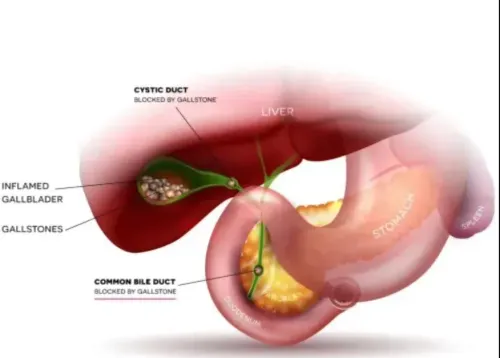
| Jaundice, dark urine, or pale stools | Seek urgent assessment | Bile-duct obstruction, often from a gallstone |
| Confusion, fainting, breathlessness, or reduced urine | Call emergency services or go immediately | Shock, kidney injury, or respiratory failure |
These are acute pancreatitis emergency symptoms, not signs to manage with extra pain tablets at home. Do not drive yourself if you are faint, confused, or short of breath.
Recurrent pancreatitis pain alone does not prove that you need surgery. Doctors first establish whether the cause is another acute attack, gallstones, chronic pancreatitis, a pancreatic fluid collection, peptic disease, or a different condition.
This rule applies whether you are seeking pancreatitis treatment in Pune or elsewhere: stabilise dangerous symptoms first, then choose between medical treatment, endoscopy, drainage, or surgery.
How doctors confirm pancreatitis and grade its danger
Doctors make an acute pancreatitis diagnosis when at least two of three findings are present: characteristic upper-abdominal pain, serum lipase or amylase at least three times the laboratory upper limit of normal, and imaging changes. A normal enzyme level does not exclude disease when symptoms or imaging are convincing.
Initial tests identify the cause and early physiological stress:
- Complete blood count and temperature: inflammation, bleeding, or possible infection
- Urea, creatinine, electrolytes, and urine output: dehydration or kidney injury
- Liver tests and bilirubin: bile duct obstruction or cholangitis
- Triglycerides and calcium: metabolic triggers
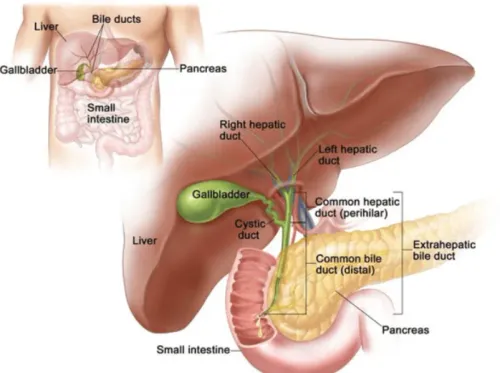
- Abdominal ultrasound: gallstones, gallbladder disease, and bile duct dilatation
Doctors track blood pressure, pulse, oxygen saturation, breathing, mental state, urine output, and the need for intravenous fluids. Rising creatinine, persistent low blood pressure, falling oxygen levels, confusion, or very low urine output indicates organ failure rather than an uncomplicated attack. Organ failure lasting more than 48 hours signals severe disease.
Contrast-enhanced CT is used when the diagnosis remains uncertain, the patient deteriorates, or a complication is suspected. It can show pancreatic necrosis, a fluid collection, bowel complications, or gas within damaged tissue. Gas, persistent fever, worsening pain, and clinical decline raise concern for infected necrosis; fever alone does not prove infection.
A dilated bile duct, jaundice, and abnormal liver tests strengthen concern for bile duct obstruction requiring urgent specialist assessment.
What hospital treatment involves before surgery is considered
During an acute attack, expect hospital care focused on pain control, hydration, nutrition, and organ monitoring rather than immediate surgery. Doctors assess blood pressure, urine output, oxygen levels, kidney function, electrolytes, liver tests, and the severity of abdominal pain while giving intravenous fluids when needed and suitable analgesia.
1. Acute pancreatitis supportive treatment includes anti-nausea medicine, oxygen when required, and repeated checks for shock, kidney injury, respiratory failure, infection, or bile duct obstruction. The team adjusts fluids because both dehydration and fluid overload can harm you.
2. You do not need routine prolonged fasting. If vomiting has settled and there is no procedure or intestinal obstruction, early oral feeding is introduced as tolerated; delaying food can prolong weakness without treating the inflammation.
3. Antibiotics are not routine preventive treatment. They are used when doctors identify cholangitis, infected pancreatic necrosis, pneumonia, urinary infection, or another bacterial infection; unnecessary antibiotics expose you to side effects and resistance without treating sterile inflammation.
4. ERCP for pancreatitis is reserved mainly for pancreatitis with cholangitis or persistent bile duct blockage, often shown by jaundice, worsening liver tests, or imaging. In gallstone pancreatitis without either problem, urgent ERCP does not generally improve outcomes and carries procedure-related risks.
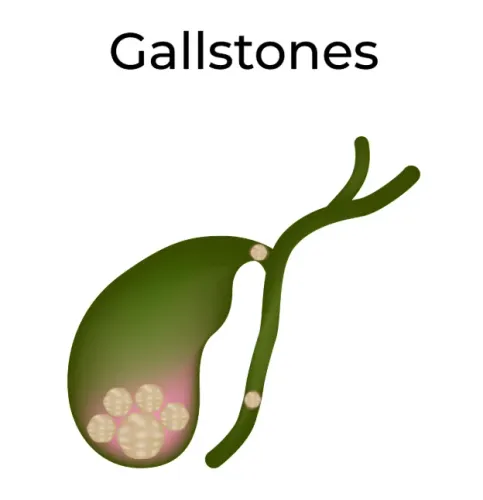
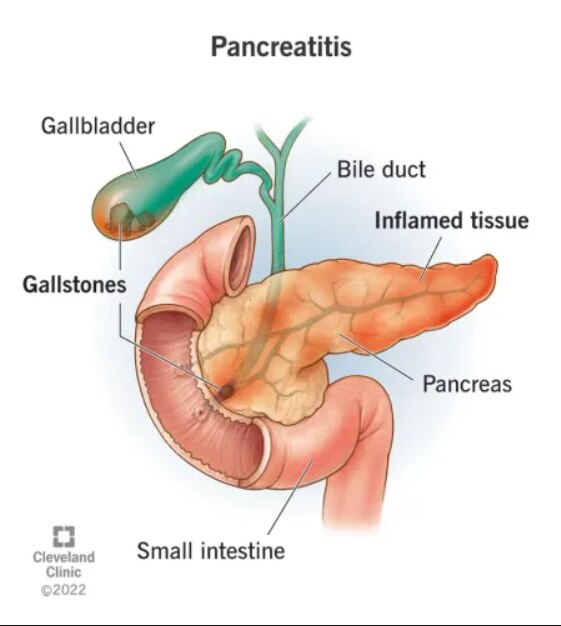
If gallstones caused a mild attack, laparoscopic gallbladder removal during the same admission often prevents another biliary attack. Necrosis or a sizable fluid collection changes that timing, so surgery waits until the anatomy and inflammation make intervention safer. Ask any team offering pancreatitis treatment in Pune to explain these findings before recommending an operation.
Why pancreatitis keeps returning and how the cause changes treatment
Pain that returns after an attack does not automatically mean you need surgery. A clinician first confirms whether this is recurrent acute pancreatitis, chronic pancreatitis, gallstone disease, a fluid collection, peptic disease, or another source of abdominal pain.
A recurrent pancreatitis specialist in Pune should also check whether an earlier “idiopathic” label overlooked a treatable cause.
The investigation usually includes:
- Liver tests and abdominal ultrasound for gallstones or bile-duct obstruction.
- Triglycerides and calcium for metabolic causes.
- Alcohol intake, prescribed medicines, autoimmune disease, family history, and previous procedures.
- MRCP for pancreatic-duct anatomy and structural abnormalities.
- Endoscopic ultrasound for small stones, sludge, early chronic-pancreatitis changes, or a small lesion.
- Genetic or tumour evaluation when age, family history, imaging, or repeated unexplained attacks justifies it.
Endoscopic ultrasound and MRCP answer different questions; ERCP is mainly a treatment, not a routine diagnostic test, because it can itself cause pancreatitis.
Treatment follows the finding:
| Option | Evidence pointing to it | Main trade-off |
|---|---|---|
| Gallbladder treatment | Gallstones or sludge caused the attacks | Delaying it leaves the trigger in place |
| Endoscopy | A blocked duct, stone, or stricture is reachable | Repeated procedures may not give lasting relief |
| Drainage | A symptomatic or infected pancreatic fluid collection is present | Drainage route and timing depend on anatomy and infection |
| Surgery | A persistently dilated obstructed duct or disease unsuitable for endoscopy | Pancreatitis surgery in Pune carries risks including diabetes, poor digestion, and operative complications |
Repeated pain without a demonstrable target calls for reassessment, not automatic surgery.
How to choose the right specialist and intervention plan in Pune or PCMC
Persistent severe pain with vomiting, fever, jaundice, confusion, fainting, breathlessness, reduced urine, or inability to drink needs hospital assessment before you compare acute pancreatitis treatment versus surgery in Pune. These signs can indicate infection, obstruction, organ failure, or a collection requiring urgent treatment.
Ask the team:
- What has been confirmed: recurrent acute pancreatitis, chronic pancreatitis, gallstones, a fluid collection, or another cause?
- Were gallstones, alcohol exposure, triglycerides, calcium, medicines, autoimmune disease, duct anatomy, and appropriate tumour causes reviewed?
- What did ultrasound, MRCP, or endoscopic ultrasound show, and what finding makes an intervention necessary?
- If you recommend endoscopy or surgery, what is the goal, expected benefit, risk, and backup plan if it fails?
- Who will manage nutrition, diabetes, critical illness, drainage, and follow-up if the condition becomes complicated?
| Option | When it fits | Ask before agreeing |
|---|---|---|
| Continued medical care | No correctable blockage, collection, or disabling duct disease | What will control pain and prevent another attack? |
| Endoscopy | A duct stone, narrowing, leak, or drainable collection is accessible | Is one procedure enough, and when will success be checked? |
| Surgery | Persistent disabling pain, an obstructed or enlarged duct, inflammatory head mass, obstruction, suspected cancer, or failed endoscopic treatment | Which operation matches the duct size, disease distribution, and pancreatic function? |
A pancreas specialist PCMC search is only a starting point. Dr Amol Jadhav's Comprehensive Liver Care Center should be assessed by whether its plan coordinates gastroenterology, advanced endoscopy, hepatobiliary surgery, interventional radiology, critical care, nutrition, and diabetes care.
Related services
Pancreatitis Treatment Specialist in Pune, PCMC, Maharashtra Pancreatitis is the swelling (inflammation) of the pancreas. This may happen when digestive juices or enzymes attack the pancreas. View service → |
Gallbladder Stone Treatment Specialist in Pune, PCMC, Maharashtra Dr Amol Jadhav is recognised as one of the leading and best Gall Bladder Stone treatment Specialist in Pune PCMC and Maharashtra. View service → |
Frequently asked questions
When does returning pancreatitis pain need emergency assessment?
Seek hospital assessment for severe upper-abdominal pain with repeated vomiting, fever, jaundice, confusion, fainting, breathlessness, very little urine, or inability to keep fluids down. Pain spreading to the back and not settling also needs urgent review.
How do doctors confirm pancreatitis and assess its danger?
Doctors combine your symptoms with blood tests, including lipase, and imaging such as ultrasound or contrast-enhanced CT. They assess organ function, fluid collections, infection, and other complications to grade severity.
What treatment is given before surgery is considered?
Hospital care focuses on intravenous fluids, pain relief, anti-nausea treatment, monitoring, and early nutrition when safe. Doctors also treat the cause and manage complications before deciding whether an intervention is needed.
Why does pancreatitis keep returning?
Common causes include gallstones, alcohol, high triglycerides, certain medicines, duct narrowing or stones, and inherited conditions. The cause determines whether treatment involves gallbladder removal, endoscopic therapy, lifestyle changes, or specialist surgery.
Keywords