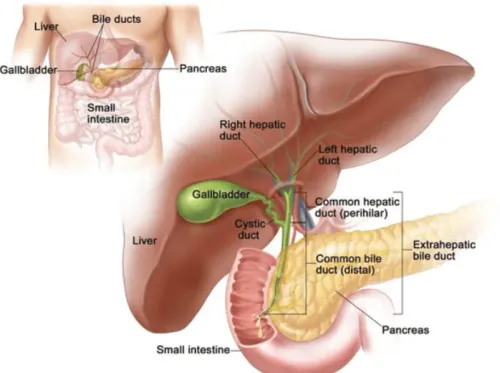
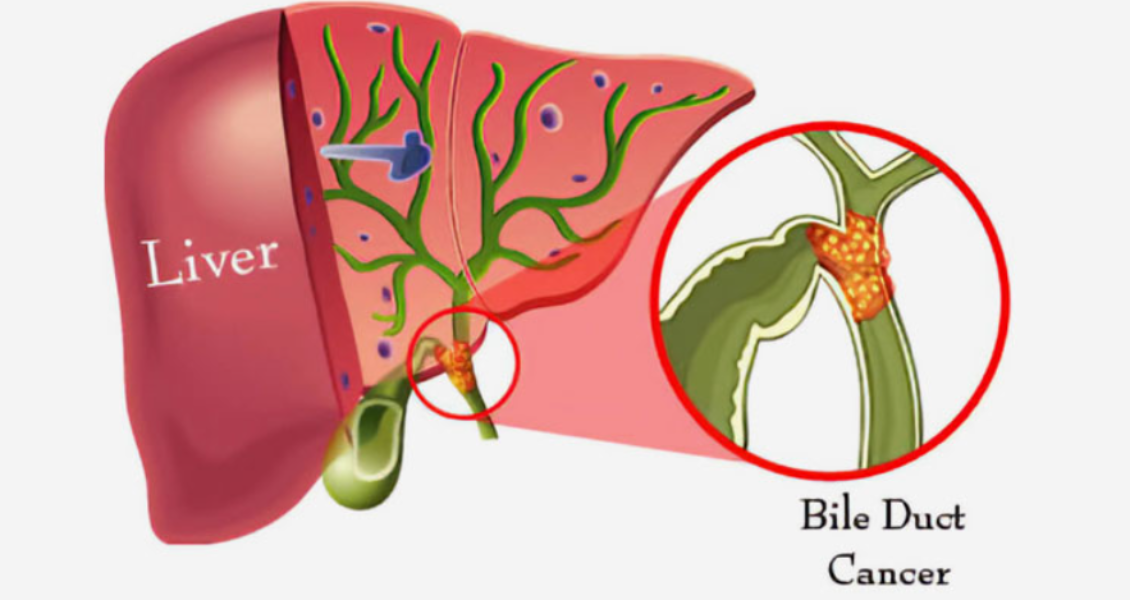
Bile duct cancer, medically known as cholangiocarcinoma, develops in the cells lining the ducts that transport bile. Its management can be complex because treatment depends heavily on the exact location of the tumour plus its relationship with the liver, pancreas, surrounding blood vessels.
Consultation with a Bile Duct Cancer Treatment Specialist in PCMC helps patients understand the diagnosis, disease extent, available treatment pathways before major decisions are made.
Location plays a major role
Bile duct cancers are generally classified according to where they develop.
They can arise
- Within the liver
- Near the junction of the main liver ducts
- Lower in the bile duct near the pancreas
The tumour's location influences symptoms, surgical planning, the type of operation that may be required.
Jaundice is a common presentation
A tumour blocking normal bile flow can cause bilirubin to accumulate.
Patients may develop
- Yellow eyes
- Yellow skin
- Dark urine
- Pale stools
- Persistent itching
- Reduced appetite
- Weight loss
Some patients initially undergo investigation for presumed gallstones before imaging identifies a different cause of obstruction.
What investigations help plan treatment?
Detailed imaging is essential.
Assessment may include
- Liver function tests
- Ultrasound
- Contrast CT
- MRI
- MRCP
- Selected endoscopic investigations
- Tumour markers as clinically appropriate
Tissue diagnosis may be required depending on tumour location plus the planned treatment.
Doctors also assess whether the cancer has involved nearby structures, lymph nodes, distant organs.
When can surgery be considered?
Surgery can provide a potentially curative treatment for selected localised bile duct cancers. The operation required depends on the location plus extent of the tumour.
Surgical planning may involve removal of part of the bile duct, liver tissue, gallbladder, nearby structures depending on the individual case.
Not every tumour is surgically removable at diagnosis. Determining resectability requires careful review of high-quality imaging by specialists experienced in HPB disease.
What happens when bile flow is blocked?
Significant obstruction can sometimes require biliary drainage.
Endoscopic stenting plus other drainage procedures may be considered in selected circumstances to restore bile flow. The timing plus method depend on the clinical situation plus overall treatment plan.
Treatment beyond surgery
Depending on disease stage plus pathology, treatment can include systemic therapy, radiotherapy in selected situations, molecularly targeted treatment for certain tumour characteristics.
Cancer treatment is increasingly personalised according to disease biology as well as anatomical stage.
Preparing for a specialist consultation
Patients should bring available scans, imaging discs, pathology reports, blood tests, previous procedure records.
Important questions include
- Where exactly is the tumour located?
- What stage is the disease?
- Is it considered surgically removable?
- Is biliary drainage required?
- What treatment sequence is recommended?
- What further testing is necessary?
Dr Amol Jadhav's Comprehensive Liver Care Center provides evaluation for complex bile duct plus HPB conditions for patients in PCMC. Detailed assessment helps patients understand whether surgery, systemic treatment, biliary intervention, multidisciplinary care is appropriate.
Bile duct cancer requires carefully planned treatment rather than a one-size-fits-all approach. Accurate staging plus specialist review provide the foundation for choosing the next step.
Keywords