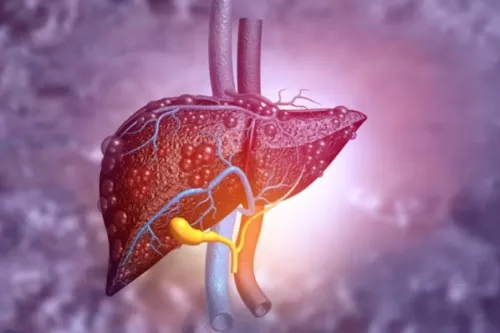
Acute hepatitis means recent inflammation of the liver. It can develop due to viral infection, medicines, toxins, autoimmune disease, several less common conditions. Some patients recover with supportive care, while a smaller proportion can develop severe liver dysfunction.
An Acute Hepatitis Treatment Specialist in PCMC evaluates the cause plus severity of liver inflammation so treatment can be matched to the actual diagnosis.
How acute hepatitis may begin
Early symptoms can resemble a routine viral illness.
A patient may experience
- Fever
- Fatigue
- Reduced appetite
- Nausea
- Vomiting
- Body aches
- Upper abdominal discomfort
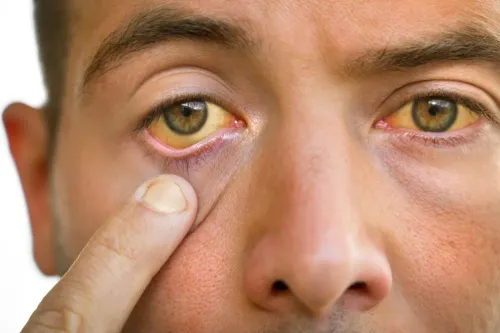
Jaundice, dark urine, pale stools can appear as liver inflammation becomes more apparent.
Because these symptoms overlap with several illnesses, blood tests are often needed to establish whether the liver is involved.
What causes acute hepatitis?
Viral infections are well-known causes. Hepatitis A, hepatitis B, hepatitis E can present as acute illness.
Other possible causes include
- Drug-induced liver injury
- Toxic exposures
- Autoimmune hepatitis
- Certain herbal preparations
- Metabolic conditions
- Ischaemic liver injury
Identifying the cause matters because management differs substantially between these conditions.
Which tests are commonly required?
Initial evaluation may include
- Bilirubin
- Liver enzymes
- Blood clotting profile
- Complete blood count
- Kidney function
- Viral hepatitis markers
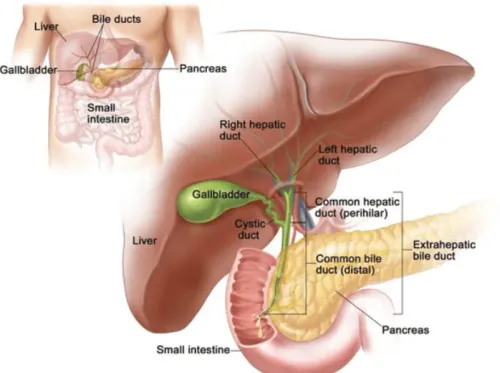
Ultrasound can help assess the liver plus biliary system. Further investigations are selected according to the suspected cause.
Warning signs of severe disease
Most uncomplicated cases do not progress to liver failure, but deterioration can sometimes occur quickly.
Urgent assessment is important when a patient develops
- Increasing drowsiness
- Confusion
- Behavioural changes
- Persistent vomiting
- Bleeding
- Rapidly worsening jaundice
- Severe weakness
Changes in mental status can indicate hepatic encephalopathy, which requires urgent hospital care.
Avoid self-medication during liver inflammation
Patients frequently use over-the-counter medicines for fever, pain, nausea before the diagnosis is known.
Once acute liver injury is suspected, all medicines plus supplements should be reviewed with the treating doctor. Certain drugs can worsen liver injury when used incorrectly.
Alcohol should also be avoided during recovery.
What does treatment involve?
Treatment depends on the cause plus severity.
Some viral infections primarily require supportive management plus monitoring. Specific conditions can require targeted therapy. Severe cases may require hospital admission for close observation of liver function, blood clotting, kidney function, neurological status.
Patients should complete follow-up blood tests even when symptoms begin improving because biochemical recovery can take longer than visible symptom improvement.
Getting assessed in PCMC
Persistent jaundice, markedly abnormal liver tests, worsening symptoms deserve specialist evaluation.
Dr Amol Jadhav's Comprehensive Liver Care Center provides assessment for acute liver disorders in PCMC, helping determine the underlying cause plus monitor recovery.
The most useful response to suspected acute hepatitis is not panic, home treatment, unnecessary dietary restriction. Timely diagnosis, appropriate monitoring, cause-specific medical care provide a safer pathway toward recovery.
Keywords