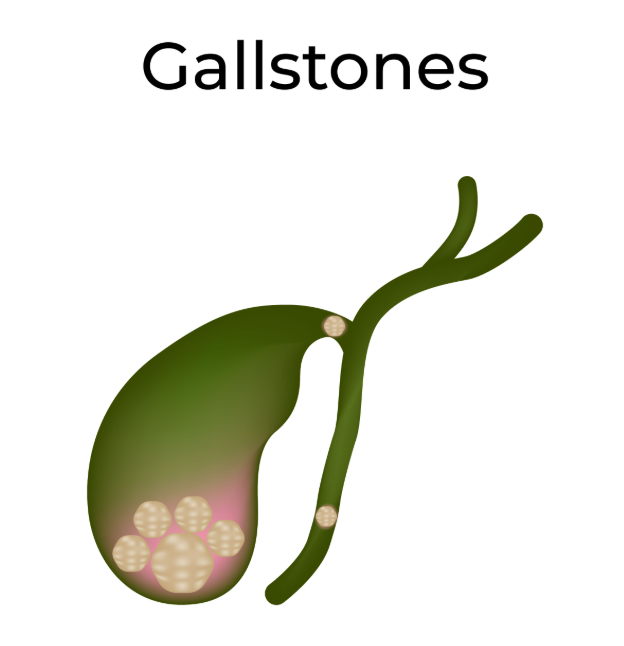
Gallstones are common, but their significance varies considerably. Some are discovered accidentally during an ultrasound without causing symptoms. Others produce repeated abdominal pain, gallbladder inflammation, jaundice, pancreatitis.
A Gallbladder Stone Treatment Specialist in PCMC can determine whether a patient's stones can be observed safely, whether active treatment is appropriate based on symptoms plus complications.
Typical gallstone pain has a pattern
Symptomatic gallstones commonly cause pain in the upper abdomen, particularly beneath the right ribs. Pain can develop after meals, last from several minutes to a few hours, sometimes extend toward the back plus shoulder.
Associated symptoms can include
- Nausea
- Vomiting
- Bloating
- Abdominal tenderness
Not every episode of acidity plus indigestion is caused by gallstones. Clinical evaluation helps determine whether the imaging finding actually explains the symptoms.
When stones become more concerning
A stone can obstruct the outlet of the gallbladder, leading to acute inflammation known as cholecystitis.
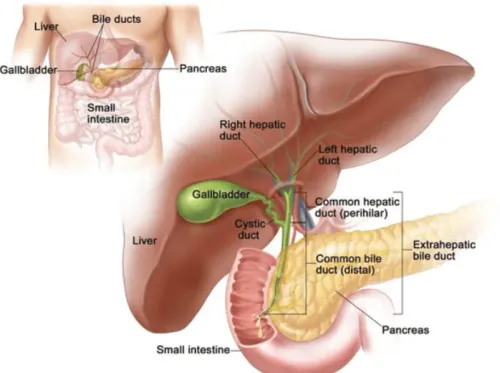
Stones can also migrate into the common bile duct.
Complications can include
- Acute cholecystitis
- Obstructive jaundice
- Bile duct infection
- Acute pancreatitis
Severe persistent pain, fever, jaundice, repeated vomiting should prompt medical assessment.
How are gallstones assessed?
Ultrasound is usually the first imaging investigation.
Blood tests may be required when symptoms suggest inflammation, infection, bile duct obstruction.
If a bile duct stone is suspected, further evaluation using MRCP, endoscopic imaging, other investigations may be recommended.
Does every gallstone require surgery?
No.
An incidentally detected asymptomatic gallstone does not automatically require an operation in every patient. Management depends on individual clinical circumstances.
Repeated biliary pain plus gallstone-related complications commonly lead to consideration of gallbladder removal.
Laparoscopic cholecystectomy is a commonly performed treatment for symptomatic gallbladder stones. The suitability of surgery is established following clinical assessment.
What should patients know before treatment?
Useful questions include
- Are my symptoms actually caused by gallstones?
- Is there evidence of gallbladder inflammation?
- Are stones present in the bile duct?
- Is surgery indicated?
- What preparation is required?
- What should I expect during recovery?
This assessment is especially important when patients have jaundice plus pancreatitis because additional procedures may be needed before definitive gallbladder treatment.
Diet can reduce symptoms but cannot reliably remove established stones
People often try dietary restriction after discovering gallstones. Avoiding meals that repeatedly trigger symptoms may reduce episodes temporarily, but diet does not reliably dissolve established gallstones.
Patients should therefore avoid assuming that absence of pain means the underlying problem has disappeared.
Gallstone care in PCMC
Dr Amol Jadhav's Comprehensive Liver Care Center evaluates gallbladder plus biliary conditions for patients in PCMC. Assessment focuses on symptoms, ultrasound findings, possible bile duct involvement, suitability for surgical treatment.
The decision to treat gallstones should be based on clinical significance rather than the ultrasound report alone. Understanding whether the stones are silent, symptomatic, complicated helps determine the safest next step.
Keywords