
A scan report that says “mass in the bile duct” cannot show whether an operation is possible, what organs must be removed, or whether treatment should begin first. By the end, you will know which records to carry, what the surgeon will assess, which questions matter, and why a consultation does not automatically lead to an operation.
Key takeaways
- Bring CT or MRI images, reports, biopsy results and details of every bile-duct procedure.
- Tumour location, vessel involvement and spread determine whether surgery is possible.
- Ask which operation is proposed, why it fits, and what alternatives exist.
- Report jaundice, fever, itching, weight loss and every episode of cholangitis.
What happens during the first consultation?
1. The first step in a bile duct cancer surgery consultation in Pune is a detailed history. The surgeon asks about jaundice, fever, itching, weight loss, abdominal pain, appetite and other illnesses. Tell the team about every ERCP, bile-duct stent, external drain, hospital admission and episode of cholangitis.
2. Examination checks for jaundice, fever, dehydration, abdominal tenderness, an enlarged liver, fluid retention and poor nutrition. These findings affect the safety and timing of surgery.
3. The team reviews the actual CT or MRI images, not only the written report. They identify the tumour’s exact site, its relationship to the portal vein and hepatic artery, enlarged lymph nodes, liver deposits, lung findings and spread outside the abdomen. A report stating “mass in the bile duct” cannot establish resectability.
4. Blood tests usually include bilirubin, alkaline phosphatase, AST, ALT, albumin, INR, creatinine, complete blood count and CA 19-9. CA 19-9 supports assessment but cannot diagnose or stage cancer; obstruction and cholangitis can raise it, while some people do not produce the marker.
5. The consultation ends with a working diagnosis, further tests when needed and a treatment discussion. The aim may be curative-intent surgery, disease control or symptom relief. Ask what the next decision is and which records or scans remain outstanding.
Which records and images should you bring?
Bring the original imaging files and written reports. Ask the imaging centre for complete DICOM files on a disc or USB drive, including contrast CT, multiphasic liver CT, MRI and MRCP sequences. Printed films or a report alone are not enough for operative planning. Carry PET-CT images and the report if that scan was performed.
Also bring:
- Biopsy or cytology reports, plus pathology slides or paraffin blocks if the hospital can release them.
- Recent blood results: bilirubin, albumin, INR, alkaline phosphatase, AST, ALT, creatinine, blood counts and CA 19-9.
- A written medication list with each drug name, dose and timing. Include warfarin, apixaban, rivaroxaban, diabetes medicines, steroids and supplements.
- Discharge summaries documenting jaundice, infection, kidney problems or malnutrition.
- Every ERCP report, cholangiogram, stent card, drain record and culture result.
| Record | Bring | Why it matters |
|---|---|---|
| Imaging | DICOM files and reports | Shows vessels, ducts, liver segments and spread |
| Pathology | Reports, slides or blocks | Allows review of the diagnosis |
| Procedures | ERCP, stent and drain records | Reveals altered bile-duct anatomy |
| Blood tests | Recent results | Shows liver, kidney and clotting status |
At a bile duct cancer specialist appointment in Pune, these records can prevent duplicate scans and show whether a stent or drain changed the anatomy. Do not arrange a new biopsy first if a perihilar tumour might enter a transplant protocol; a transperitoneal needle route can create tumour-seeding concerns and affect eligibility.
How does tumour location determine resectability?
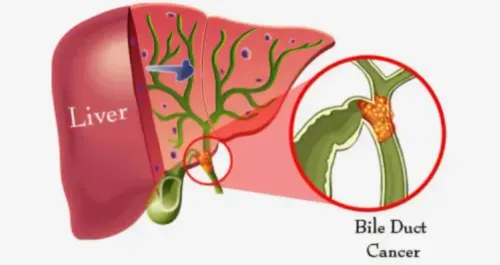
1. Ask the bile duct cancer surgeon in Pune to name the anatomical category: intrahepatic, perihilar or distal cholangiocarcinoma. An intrahepatic tumour begins within the liver parenchyma and may require a liver resection.
A perihilar tumour lies where the right and left hepatic ducts join, so treatment often includes extrahepatic bile-duct removal, caudate lobectomy, a major or extended liver resection and regional lymph-node dissection.
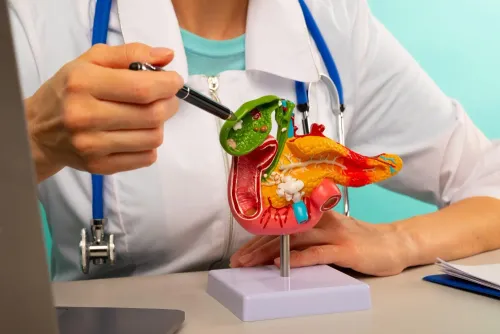
2. A distal tumour lies near the pancreatic head and is usually treated with a pancreaticoduodenectomy, or Whipple procedure, rather than isolated bile-duct removal. The surgeon checks whether the tumour involves the portal vein or hepatic artery, whether vascular reconstruction is feasible and how much healthy liver will remain.
The future liver remnant needs adequate inflow, outflow and bile drainage.
3. The resectability review should include liver function, portal hypertension, regional lymph nodes, chest imaging and evidence of distant or peritoneal metastases. Portal-vein or hepatic-artery involvement does not automatically rule out surgery; reconstruction suits selected patients who have a safe, functioning liver remnant and no unresectable spread.
4. Ask whether the intended margin is R0, meaning no cancer at the microscopic cut edge. Also ask which lymph nodes will be removed and assessed, because nodal disease affects staging, prognosis and postoperative treatment planning.
What operation or treatment path might be proposed?
The proposed treatment should match the tumour’s location, vascular relationships and spread. A cholangiocarcinoma surgeon in Pune will first decide whether removal can achieve an R0 margin and leave enough functioning liver.
| Location | Possible operation or path | Main features |
|---|---|---|
| Perihilar | Bile-duct resection with caudate-lobe removal and right or left hepatectomy | Lymph-node dissection, followed by joining the remaining bile ducts to the small intestine |
| Intrahepatic | Segmentectomy, sectionectomy or larger liver resection | Lymph-node assessment when indicated |
| Distal | Whipple operation | Removes the pancreatic head, duodenum, gallbladder, part of the bile duct and nearby lymph nodes, then reconstructs the digestive tract |
Selected patients with unresectable perihilar disease may enter a transplant-based protocol. Transplantation is not a general substitute for resection; assessment requires strict staging, no metastatic disease and planned treatment before transplantation.
If safe removal is impossible, or major surgery would be unsafe for you, the team may recommend systemic treatment, radiation, a clinical trial, biliary drainage or another palliative procedure. Drainage is selective, not automatic for jaundice. Cholangitis, severe or prolonged jaundice, kidney dysfunction, intense itching, malnutrition or a treatment delay can support it.
Ask which liver sector the drain will serve. The route and stent must protect the future liver remnant; an unsuitable drain can infect a sector that cannot be removed or drained effectively.
Which questions should you ask before agreeing to surgery?
Before agreeing to surgery, ask whether the plan aims to remove all visible cancer or relieve symptoms, and what makes the tumour technically resectable.
Ask, “Where exactly is the tumour, and which vessels, ducts, liver segments or lymph nodes are involved?” Then ask how much liver will remain, whether portal-vein or hepatic-artery reconstruction is expected, and how bile drainage will work before and after surgery.
| Test or decision | Ask what it is meant to establish |
|---|---|
| Resectability imaging or laparoscopy | Whether hidden liver or peritoneal deposits, vessel involvement or an unsafe liver remnant prevents removal |
| Liver-function testing | Whether the remaining liver can support recovery |
| Blood cultures or drainage assessment | Whether cholangitis or another infection must be treated first |
| Biopsy or molecular testing | Whether tissue is needed for diagnosis or treatment selection |
Clarify whether tissue diagnosis is required before this operation. If a perihilar tumour might enter a transplant protocol, ask which biopsy route avoids tumour-seeding concerns; do not arrange a needle biopsy independently.
Ask how jaundice, cholangitis, nutrition, diabetes, heart or lung disease, and anticoagulation will be managed. Find out what happens if exploration finds deposits missed on scans. Ask about expected margin status, lymph-node assessment, hospital recovery, major complications and postoperative oncology treatment.
A multidisciplinary review by surgery, radiology, pathology, gastroenterology, oncology and transplant specialists when relevant can resolve conflicting advice. Dr Amol Jadhav's Comprehensive Liver Care Center may help coordinate these records and opinions. Leave with a written plan, next decision point and missing records—not an assumed operation date.
Related services
Bile Duct Cancer Treatment Specialist in Pune, PCMC Maharashtra What Is Bile Duct Cancer (Cholangiocarcinoma)? Bile duct cancer is a rare disease in which malignant (cancer) cells form in the bile ducts. View service → |
Hepato-Pancreato-Biliary (HPB) Surgery Specialist in Pune, PCMC, Maharashtra Hepato-pancreato-biliary (HPB) surgery consists of the general surgical treatment for benign and malignant diseases of the liver, pancreas,... View service → |
Frequently asked questions
What happens during a bile duct cancer surgery consultation in Pune?
The surgeon reviews your symptoms, jaundice, fever, itching, weight loss, abdominal pain, appetite, other illnesses and previous ERCPs, stents, drains, admissions and cholangitis episodes.
Which records and images should you bring to a bile duct cancer specialist appointment in Pune?
Bring CT or MRI scans on a disc or secure digital file, radiology reports, biopsy or pathology reports, blood-test results, discharge summaries, ERCP records, stent details and drain records.
How does tumour location determine resectability?
The surgeon assesses whether the tumour is in the distal, perihilar or intrahepatic bile duct, then checks its relationship with the portal vein, hepatic artery and liver, along with lymph-node or distant spread.
What treatment paths might a cholangiocarcinoma surgeon in Pune propose?
The proposed path can include bile duct resection, liver resection, a Whipple procedure, drainage or stent management, systemic treatment, radiation, clinical-trial evaluation or supportive care, depending on staging and fitness for surgery.
What should you ask before agreeing to bile duct cancer surgery?
Ask about the exact operation, surgical goal, expected hospital stay, major risks, need for vascular reconstruction, alternatives, recovery, pathology review, further treatment and what happens if surgery cannot remove all visible disease.
Keywords