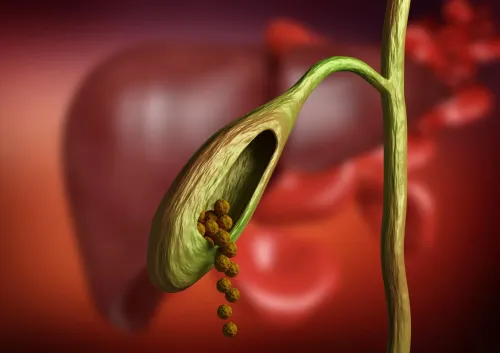
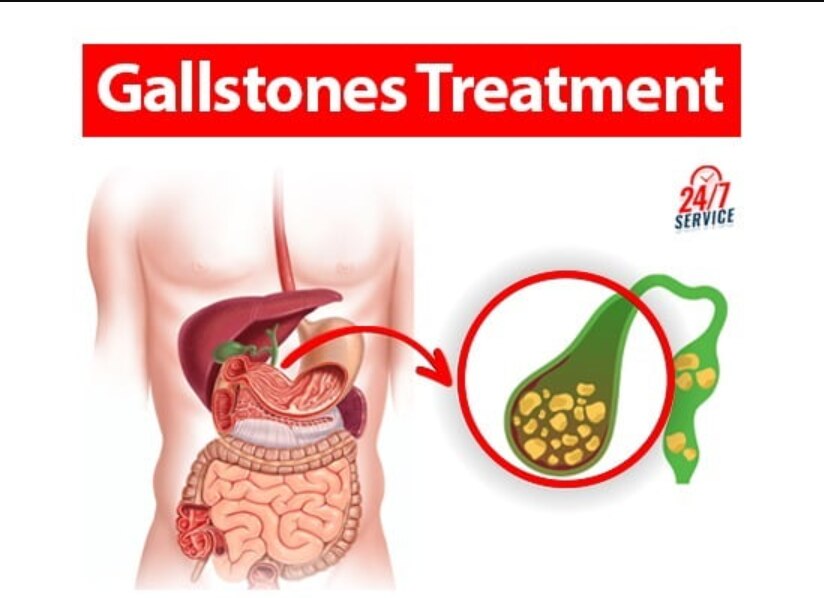
Sudden pain under the right ribs or in the upper middle abdomen can come from a gallstone, but it can also signal infection, pancreatitis, a blocked bile duct, or an unrelated emergency. You will learn which warning signs require an emergency department, what to do while arranging care, what tests to expect, and how to choose the right gallbladder specialist in Pune.
Key takeaways
- Seek emergency care for severe, worsening pain or pain lasting several hours.
- Tell the clinician about pain timing, vomiting, fever, jaundice and previous attacks.
- Expect blood tests and abdominal ultrasound during an urgent gallstone assessment.
- Choose a specialist who can manage both gallbladder surgery and bile duct complications.
When severe abdominal pain needs the emergency department
Go to the emergency department instead of waiting for a routine appointment when pain is sudden, severe, worsening, or lasts several hours.
Gallbladder pain usually sits under the right ribs or in the upper middle abdomen and can spread to the right shoulder or back, but symptoms alone cannot distinguish a stone from pancreatitis, bile-duct infection, perforated ulcer, appendicitis, or heart-related pain.
Seek emergency care immediately if you have:
- Fever or chills
- Repeated vomiting or inability to keep fluids down
- Yellow eyes or skin, dark urine, or pale stools
- Confusion, fainting, extreme weakness, or a fast heartbeat
- A rigid abdomen or marked tenderness when touched
- Chest pressure, breathlessness, or pain spreading to the arm or jaw
Do not drive yourself if you feel faint, confused, severely weak, or heavily medicated. Ask someone to take you or call emergency services. While arranging care, avoid a heavy or fatty meal because it can trigger stronger gallbladder contractions and worsen the attack; take only small sips of water if you can keep them down.
A search for a gallbladder stone specialist in Pune for severe pain should not delay emergency assessment. The hospital can examine you, check blood tests, and usually arrange an ultrasound. A normal or unclear ultrasound does not rule out a dangerous bile-duct stone or another cause of severe abdominal pain.
Recognising biliary pain and acting safely during an attack
Gallstone pain is usually steady, severe pain in the right upper abdomen or upper middle abdomen. It often begins after a meal, especially a fatty meal, and can spread to the right shoulder or back. Temporary cystic-duct blockage causes uncomplicated biliary colic, which may settle as the stone moves.
Persistent pain, marked tenderness, fever, or worsening illness suggests cholecystitis or another dangerous cause.
Pain cannot confirm gallstones. Pancreatitis, a bile-duct stone, ulcer disease, hepatitis, appendicitis, heart disease, and lung conditions can feel similar.
1. Stop eating solid food while arranging assessment, particularly after a heavy or fatty meal. If you are not vomiting, take small sips of water; do not force fluids.
2. Do not use “gallbladder flushes,” herbal stone-dissolving products, alcohol, or leftover prescription medicines. Avoiding fat may reduce provocation but does not dissolve stones.
3. Arrange urgent medical assessment if pain lasts several hours, returns repeatedly, or comes with fever, chills, vomiting, jaundice, dark urine, pale stools, confusion, faintness, rigid abdomen, or inability to keep fluids down.
4. Do not drive yourself if pain is severe, you feel faint, or you are vomiting. When comparing gallstone treatment near me, choose a service with urgent ultrasound, blood tests, and hospital escalation rather than an elective-only clinic.
What to tell the clinician and which tests may be needed
Pain that settles without fever is more consistent with temporary cystic-duct blockage; persistent pain, tenderness, fever, or inflammatory blood results raises concern for acute cholecystitis. Tell the clinician exactly when it began, where it is, whether it reaches your back or right shoulder, how long it lasted, and whether meals triggered it.
For an urgent gallstone consultation in Pune, bring or disclose:
- Previous jaundice, pancreatitis, liver disease, abdominal operations, pregnancy possibility, diabetes, heart or lung disease, and blood-thinner use.
- Vomiting, fever or chills, yellow eyes, dark urine, pale stools, confusion, fainting, or inability to drink.
- Every scan, blood test, medication list, and allergy.
| Condition | Clues | Investigations that help |
|---|---|---|
| Uncomplicated biliary colic | Steady upper-right or upper-middle pain that settles as the stone moves; no fever or jaundice | Examination, liver-function tests, and ultrasound |
| Acute cholecystitis | Pain persists, the abdomen is tender, and fever or inflammation develops | Complete blood count, inflammatory markers, liver tests, renal function, and ultrasound |
| Common-bile-duct stone or cholangitis | Jaundice, dark urine, abnormal bilirubin or liver enzymes, fever, or a widened bile duct | Ultrasound, then MRCP or endoscopic ultrasound; high-likelihood cases may need therapeutic ERCP |
| Pancreatitis or another cause | Severe upper abdominal pain with vomiting, or findings that do not fit gallbladder disease | Lipase or amylase, examination, and targeted imaging; consider ulcer, hepatitis, heart, or lung disease |
Ultrasound is the first-line scan, but a normal result does not exclude a duct stone or another serious diagnosis. ERCP is treatment with risks, not routine screening.
Choosing the right gallbladder stone doctor in Pune
For sudden severe pain, choose a service that can diagnose complications and arrange treatment, not merely offer the nearest appointment. A “gallbladder stone doctor in Pune” may be one of three specialists:
| Role | Main responsibility | When it fits |
|---|---|---|
| General surgeon | Assesses gallbladder removal, usually laparoscopic cholecystectomy | Confirmed symptomatic gallbladder stones or acute cholecystitis |
| Gastroenterologist | Investigates bile-duct stones and performs therapeutic ERCP | Jaundice, abnormal liver tests, a dilated bile duct, or a duct stone |
| Hepatobiliary surgeon | Manages complex bile-duct anatomy, severe infection, liver disease, portal hypertension, and uncertain diagnoses | High-risk cases or when surgery, drainage, and duct procedures need coordinated planning |
For “gallstone treatment near me,” verify that the service can provide urgent ultrasound, blood tests, anesthesia, laparoscopic surgery, and an ERCP or MRCP pathway. Ask where intensive care and interventional radiology are available, who will perform each procedure, and where emergency admission occurs.
A consultation-only clinic is unsuitable for persistent pain, fever, jaundice, repeated vomiting, faintness, or confusion.
At Dr Amol Jadhav's Comprehensive Liver Care Center, ask how the team will coordinate duct imaging, ERCP, drainage, or surgery if the scan shows obstruction or infection. Bring previous scans, reports, medication details, blood-thinner information, and your history of liver disease, pancreatitis, diabetes, heart disease, or abdominal operations.
What treatment may follow the urgent assessment
Treatment depends on whether stones remain in the gallbladder, inflame it, or have entered the common bile duct.
- Symptomatic gallstones: Pain relief can settle an attack, but medicines and avoiding fatty meals do not remove stones. Laparoscopic cholecystectomy, which removes the gallbladder, is the definitive treatment and prevents recurrent attacks. Incidental stones without symptoms usually do not require preventive surgery.
- Acute cholecystitis: Hospital treatment may include intravenous fluids, pain relief, anti-nausea medicine, and antibiotics when infection is suspected. Early laparoscopic cholecystectomy during the same admission, often within one week, is considered when you are fit for anaesthesia.
- Common-bile-duct stone: Jaundice, abnormal liver tests, a widened duct, or a stone seen on imaging may lead to magnetic resonance cholangiopancreatography (MRCP) or endoscopic ultrasound. If the likelihood is high, endoscopic retrograde cholangiopancreatography (ERCP) can remove or drain the duct stone; it is a treatment procedure with risks, not routine screening.
After ERCP, surgeons commonly remove the gallbladder during the same admission or soon afterward, because leaving it in place allows another stone to migrate. Cholangitis, pancreatitis, uncontrolled pain, or worsening infection requires hospital-level care rather than a routine appointment.
When comparing a gallbladder stone specialist in Pune for severe pain, choose a service with urgent ultrasound, blood tests, laparoscopic surgery, and ERCP or MRCP access. An urgent gallstone consultation in Pune is not enough if you have fever, jaundice, faintness, or persistent vomiting; go to an emergency department.
Frequently asked questions
When should severe gallbladder pain be treated as an emergency?
Go to the emergency department when pain is sudden, severe, worsening, or lasts several hours. Seek urgent care for fever, repeated vomiting, yellow skin or eyes, dark urine, fainting, or marked abdominal tenderness.
How can you recognise biliary pain during a gallstone attack?
Biliary pain often causes intense pain in the upper right or upper middle abdomen, sometimes spreading to the right shoulder or back. Do not assume it is harmless when the pain persists or warning symptoms appear.
Which tests may be needed for suspected gallstones?
A clinician may order an abdominal ultrasound, complete blood count, liver function tests including bilirubin, and pancreatic enzymes. Magnetic resonance cholangiopancreatography or other imaging may be needed when a bile duct stone is suspected.
What treatment may follow an urgent gallstone assessment?
Treatment depends on the findings. Options include pain control and observation, antibiotics for infection, endoscopic removal of a bile duct stone, or laparoscopic gallbladder removal after stabilisation.
Keywords