Gallbladder cancer is relatively uncommon compared to many other cancers, yet it often goes undetected until it reaches an advanced stage. One reason is that its early symptoms closely resemble common digestive problems or gallbladder stones. Understanding the warning signs and knowing when to consult a Gallbladder Cancer Treatment Specialist in PCMC can make a meaningful difference in diagnosis and treatment planning.
Many people dismiss persistent abdominal discomfort as indigestion or acidity. However, symptoms that continue or worsen deserve proper medical evaluation.
What Is Gallbladder Cancer?
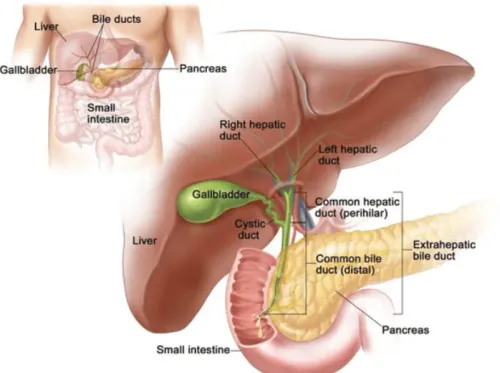
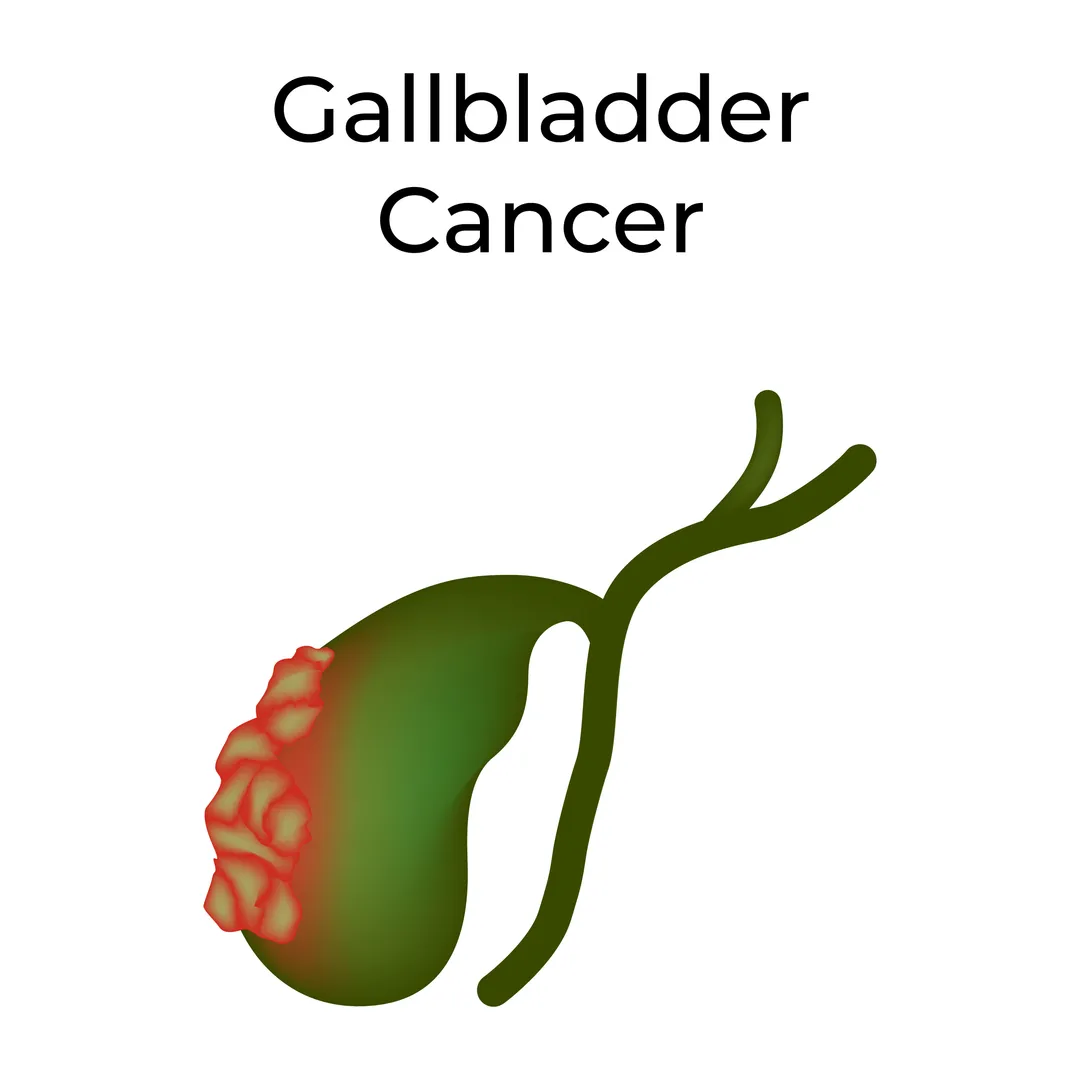
The gallbladder is a small organ located beneath the liver that stores bile, a digestive fluid produced by the liver. Gallbladder cancer develops when abnormal cells begin growing uncontrollably within this organ.
Although the disease is uncommon, certain individuals are at a higher risk due to age, chronic gallbladder inflammation, large gallstones, gallbladder polyps, or specific congenital abnormalities.
Early Symptoms Can Be Difficult to Recognize
One of the biggest challenges is that early-stage gallbladder cancer may produce very few symptoms.
As the disease progresses, patients may notice:
- Pain in the upper right side of the abdomen
- Persistent nausea
- Vomiting
- Loss of appetite
- Unexplained weight loss
- Yellowing of the skin and eyes
- Fever without an obvious cause
- A lump in the upper abdomen in advanced cases
These symptoms are not exclusive to cancer, but they should never be ignored if they persist.
How Is It Different from Gallstones?
Gallstones are much more common than gallbladder cancer, and many symptoms overlap.
Gallstones often cause:
- Sudden episodes of severe pain
- Pain after eating fatty meals
- Temporary discomfort that improves between attacks
Gallbladder cancer may present with:
- Continuous pain
- Progressive weight loss
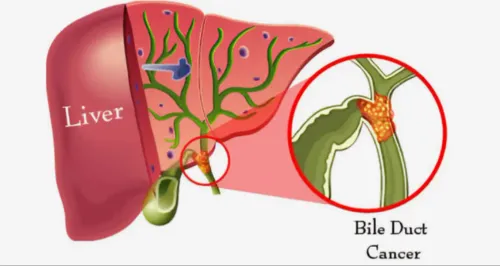
- Persistent jaundice
- Increasing weakness
- Symptoms that gradually worsen over time
Only proper imaging and specialist evaluation can distinguish between these conditions accurately.
Investigations That Help Confirm the Diagnosis
If gallbladder cancer is suspected, doctors may recommend:
- Blood investigations
- Liver function tests
- Ultrasound
- Contrast-enhanced CT scan
- MRI or MRCP
- PET scan in selected situations
- Tissue biopsy when appropriate
Accurate staging helps determine the most suitable treatment approach.
Available Treatment Options
Treatment depends on the stage of the disease, overall health, and whether the cancer has spread.
Possible treatment strategies include:
- Surgical removal of the gallbladder
- Liver resection when required
- Removal of nearby lymph nodes
- Chemotherapy
- Targeted therapies in selected patients
- Palliative procedures to improve quality of life
Early-stage disease offers more treatment possibilities than advanced cancer.
Why Early Diagnosis Matters
When detected early, surgery may offer the best opportunity for long-term disease control. Unfortunately, delayed diagnosis often limits treatment options.
People with longstanding gallstones or recurring gallbladder inflammation should attend regular medical follow-ups, particularly if new symptoms develop.
Questions Patients Commonly Ask
Does every gallstone lead to cancer?
No. Most gallstones never become cancerous. However, certain high-risk conditions require careful monitoring.
Can young adults develop gallbladder cancer?
Although it is more common in older adults, younger individuals can occasionally develop the disease.
Is surgery always required?
Not necessarily. Treatment depends on the stage and spread of the cancer as well as the patient's overall condition.
What if jaundice develops?
Jaundice may indicate blockage of the bile ducts or advanced disease and requires immediate medical evaluation.
Seeking Expert Evaluation
Gallbladder cancer management often requires coordination between hepatobiliary surgeons, liver specialists, medical oncologists, radiologists, and critical care teams. Comprehensive assessment helps determine whether surgery, systemic therapy, or supportive care is the most appropriate option.
Patients in PCMC and nearby regions who require evaluation for suspected gallbladder cancer or complex hepatobiliary conditions can benefit from multidisciplinary care. Dr Amol Jadhav's Comprehensive Liver Care Center provides specialised assessment for liver, gallbladder, bile duct, and pancreatic diseases, helping patients understand their diagnosis and available treatment options through evidence-based clinical care.
Keywords