
Yellow eyes or skin can signal anything from a medication reaction or hepatitis to blocked bile flow or serious loss of liver function. Use the warning signs, timing rules, test checklist and facility comparison below to decide whether you need an emergency department, same-day clinician, diagnostic laboratory or specialist centre in Pune or PCMC.
Key takeaways
- Seek emergency care for confusion, bleeding, black stools, severe pain, or very little urine.
- Arrange prompt assessment for infants, pregnancy, or known liver disease.
- Choose a facility with urgent blood tests, ultrasound, endoscopy, and specialist referral.
- Ask for bilirubin, liver enzymes, blood counts, clotting tests, and abdominal imaging when indicated.
Decide whether jaundice needs emergency care today
Confusion, unusual sleepiness, fainting, active bleeding, black stools, vomiting blood, or severe weakness means emergency care now—not a routine jaundice appointment. Severe right-upper-abdominal pain, fever with chills, repeated vomiting, inability to drink, rapidly worsening yellowing, or very little urine also needs immediate assessment.
- Go to an emergency department if you have any of these signs, especially after taking paracetamol or acetaminophen, antibiotics, herbal remedies, or bodybuilding supplements. Do not restart a suspected medicine or take additional paracetamol while waiting for medical advice.
- Take your medication and supplement list, including each name, dose, start date, and recent dose change.
- A fast jaundice evaluation in pune must include blood testing; yellow eyes alone cannot distinguish hepatitis, drug injury, gallstone blockage, haemolysis, or cancer. Visible jaundice usually appears only when bilirubin reaches about 2–3 mg/dL.
Urgency guide:
| Situation | What it means | What to do |
|---|---|---|
| Emergency signs | Possible severe infection, bleeding, acute liver failure, or obstruction | Go to emergency care immediately |
| Yellowing with dark urine, pale stools, itching, or mild abdominal discomfort but no red flags | Needs prompt assessment, not visual diagnosis | Arrange same-day or next-day medical review and testing |
| Yellowing with INR at least 1.5 plus confusion or unusual sleepiness | Possible acute liver failure | Reach a liver-transplant-capable emergency centre immediately |
| No yellowing but fainting, black stools, severe pain, or repeated vomiting | Jaundice is not required for a dangerous illness | Seek emergency care now |
Use a lower threshold for infants, pregnancy and existing liver disease
Jaundice in these situations deserves faster assessment because the same bilirubin level can reflect a more dangerous problem. Do not wait several days for a routine appointment, and tell triage staff about pregnancy, recent surgery or known liver disease.
| Situation | Act today | Go to emergency care |
|---|---|---|
| Newborn | Yellowing during the first 24 hours needs immediate hospital assessment. After 24 hours, arrange same-day pediatric review if feeding drops, the baby is difficult to wake, or yellowing deepens. | Seek immediate care for fever, fewer wet nappies, abnormal crying, marked sleepiness or poor feeding. |
| Pregnancy | Contact your maternity team the same day for jaundice, dark urine or severe itching. Request liver tests, bilirubin, clotting tests, blood pressure and urine-protein testing. | Go immediately for severe right-upper-abdominal pain, persistent vomiting, headache, visual changes or fainting. |
| After surgery | Call the operating team the same day. Jaundice with pale stools, dark urine, increasing pain, fever or a change in surgical-drain output can indicate a bile leak, blocked duct or infection. | Use emergency care for low blood pressure, confusion, repeated vomiting or rapidly worsening pain. |
| Known liver disease | Arrange same-day specialist assessment for new or worsening jaundice; bring your medicine list and previous reports. | Confusion, unusual sleepiness, bleeding or an INR of 1.5 or higher needs emergency assessment and prompt discussion with a transplant-capable centre. |
Choose the right first stop near you in Pune or PCMC
If you are confused, unusually sleepy, faint, bleeding, passing black stools, vomiting repeatedly, unable to drink, or have fever with chills, low blood pressure, severe right-upper-abdominal pain, or very little urine, go to an emergency department now. Do not wait for a routine “jaundice doctor near me” appointment.
| First stop | How quickly | What it should do |
|---|---|---|
| Emergency department | Immediately | Assess unstable patients, bleeding, infection, severe pain, and possible acute liver failure |
| Gastroenterologist or hepatologist | Same day | Evaluate jaundice with blood tests, urine testing, and imaging when you are stable but symptoms are worsening |
| General physician | Within 24 hours | Start assessment for mild, stable jaundice and arrange specialist referral |
| Local laboratory | Only alongside medical review | Collect urgent tests; a bilirubin result alone cannot identify the cause |
| Surgical centre | Same day when obstruction or postoperative jaundice is possible | Arrange ultrasound, specialist review, and urgent biliary intervention if needed |
Choose a centre in Pune or PCMC that can arrange same-day liver-function tests and ultrasound, not just an outpatient consultation. Ask whether hepatology and hepatobiliary surgery can review the case, and whether endoscopic bile-duct drainage is available or rapidly arranged.
Pregnancy, infancy, immunosuppression, recent surgery, known liver disease, multiple medicines, or recent hepatitis exposure lowers the threshold for same-day specialist assessment. Confusion with an INR of 1.5 or higher suggests possible acute liver failure and requires immediate discussion with a liver-transplant-capable centre.
Know what a proper first jaundice work-up includes
A proper first work-up uses more than a bilirubin test: it combines total and direct bilirubin, liver enzymes, clotting tests, blood counts, kidney measures, urine findings and imaging. A liver evaluation in Pune should establish whether the pattern reflects liver-cell injury, bile-duct obstruction, impaired liver function or hemolysis.
| Pattern | Blood tests that help | Urine and imaging clues |
|---|---|---|
| Liver-cell injury | AST and ALT rise more than alkaline phosphatase; bilirubin may be direct or mixed | Urine bilirubin can be present; ultrasound checks the liver and ducts |
| Bile-duct obstruction | Alkaline phosphatase, GGT and direct bilirubin rise; check AST and ALT too | Dark bilirubin-positive urine; right-upper-quadrant ultrasound looks for stones or duct dilation |
| Impaired liver function | Prolonged PT or INR, low albumin, low glucose, abnormal creatinine and platelet count | Ultrasound assesses liver structure, fluid and portal-vein changes |
| Hemolysis | CBC, reticulocyte count, LDH, haptoglobin, blood smear and direct antiglobulin test | Increased urobilinogen with absent urine bilirubin supports red-cell breakdown |
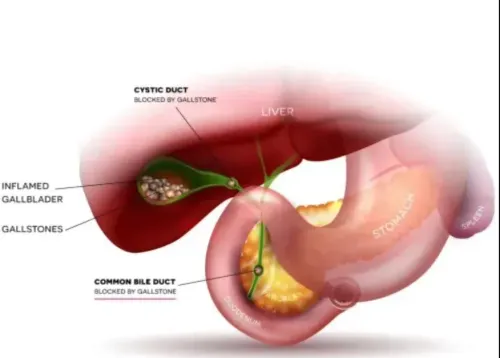
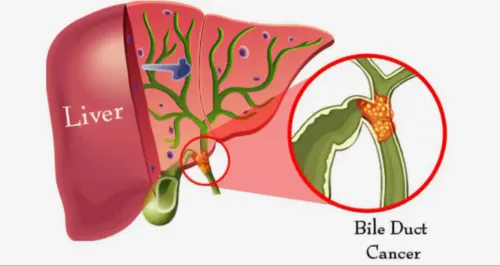
Right-upper-quadrant ultrasound is usually the first scan for suspected obstruction, but a normal result does not exclude a small common-bile-duct stone. If blood tests and ultrasound remain unclear, MRCP or endoscopic ultrasound can define the duct without using diagnostic ERCP.
ERCP is mainly therapeutic: it removes a stone or places a stent to drain an obstructed duct.
Compare specialist facilities by what they can do urgently
Choose a facility that can move from diagnosis to intervention without sending you through several disconnected appointments. A jaundice specialist in Pune should be able to identify obstruction, liver-cell injury, impaired clotting function and hemolysis, then escalate care when results are dangerous.
- Ask whether same-day bilirubin, liver enzymes, complete blood count, INR, creatinine and ultrasound are available.
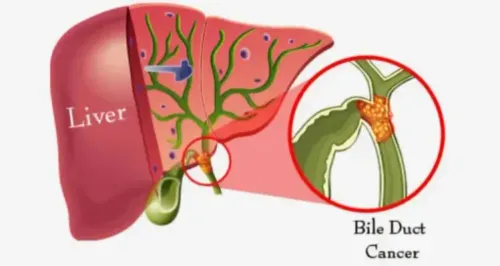
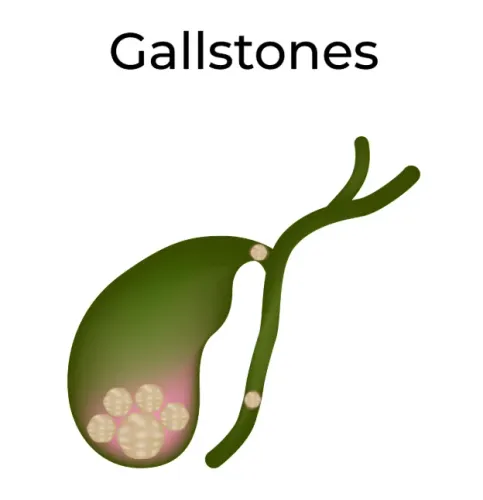
- Confirm access to hepatology and hepatobiliary surgery review when imaging suggests a blocked bile duct, gallstone, tumour or postoperative injury.
- Ask where urgent endoscopic retrograde cholangiopancreatography (ERCP) is performed for biliary drainage, and whether the facility can arrange it without an avoidable referral delay.
- Check whether intensive-care monitoring is available for low blood pressure, worsening confusion, kidney injury or severe infection.
- If INR is at least 1.5 with confusion from acute liver injury, ask whether the team can immediately discuss transfer to a liver-transplant-capable centre.
| Facility type | What it can do urgently | Main limitation |
|---|---|---|
| Outpatient clinic or laboratory | Start blood tests and arrange ultrasound | Cannot drain an obstructed duct or manage sudden deterioration |
| Hospital with gastroenterology | Evaluate abnormal results, admit patients and coordinate endoscopy | Confirm ERCP, ICU and surgical cover before choosing it |
| Hepatobiliary and transplant centre | Coordinate imaging, surgery, ERCP, intensive care and transplant assessment | May require emergency-department triage for unstable patients |
Dr Amol Jadhav's Comprehensive Liver Care Center is worth assessing by these operational capabilities, not by the word “specialist” alone. Ask who receives you after hours and where an emergency transfer goes.
Related service
Jaundice Treatment Specialist in Pune, PCMC, Maharashtra Dr Amol Jadhav is one of the leading and best Jaundice Treatment Specialist in Pune, PCMC And Maharashtra. View service → |
Frequently asked questions
When does jaundice need emergency care in Pune?
Go to emergency care now for confusion, unusual sleepiness, fainting, active bleeding, black stools, vomiting blood, severe weakness, severe right-upper-abdominal pain, fever with chills, repeated vomiting, inability to drink, rapidly worsening yellowing, or very little urine.
Who needs a lower threshold for urgent jaundice evaluation?
Infants, pregnant people, and anyone with existing liver disease need prompt medical assessment rather than waiting for a routine appointment.
Should you see a jaundice specialist or a general doctor first?
Use a nearby emergency department for red-flag symptoms. For stable symptoms, start with a doctor who can order bilirubin and liver tests, then choose a hepatologist or hepatobiliary specialist when results, symptoms, or known disease require expert care.
What does a first jaundice work-up include?
A proper first evaluation reviews medicines, alcohol use, infections, pain, fever, stool and urine changes, and examines you. Tests can include total and direct bilirubin, AST, ALT, alkaline phosphatase, GGT, albumin, complete blood count, prothrombin time or INR, kidney function, hepatitis tests, and abdominal ultrasound when indicated.
Keywords