Jaundice, dark urine, pale stools, itching, fever, abdominal pain, weight loss and appetite loss can signal a blocked or diseased bile duct, but the urgency depends on the combination of symptoms. By the end, you will know which tests clarify the diagnosis, how doctors judge operability, what treatment may involve, and how frailty and other health conditions shape decisions for an older adult.
Key takeaways
- Tumour location determines whether surgery, bile drainage or medicines come first.
- Ask how liver function, fitness and other illnesses affect treatment choices.
- Confirm whether imaging shows removable disease before agreeing to a biopsy or operation.
- Request a clear plan for jaundice, pain, infection and other urgent symptoms.
Where the tumour is—and when symptoms need urgent care
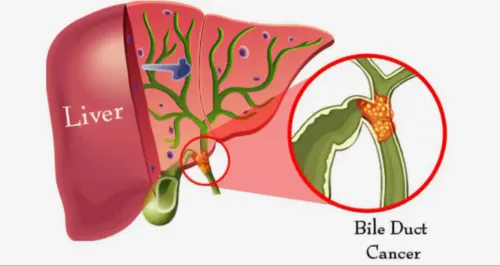
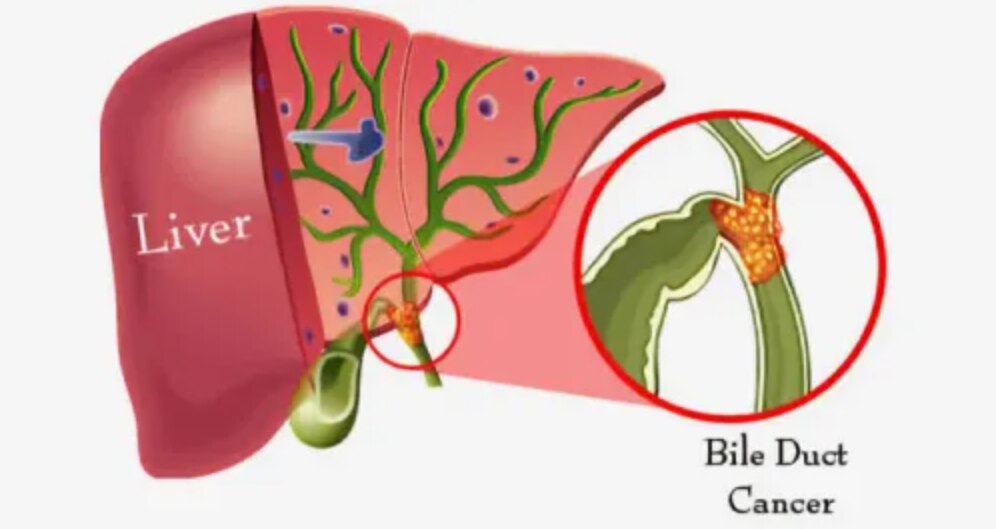
Tumour location determines the first treatment decision: whether the team should plan an operation, relieve blocked bile flow, or begin treatment for disease that cannot be removed. Intrahepatic cholangiocarcinoma starts inside the liver and may require liver resection.
Perihilar cancer grows where the right and left bile ducts meet and often needs bile-duct removal with a major hepatectomy. Distal cancer, near the pancreas, commonly requires a pancreaticoduodenectomy, or Whipple operation.
Jaundice needs prompt medical assessment, especially with dark urine, pale stools or severe itching. Seek urgent hospital care if any of these symptoms occur:
- Fever or chills with jaundice
- New confusion, marked drowsiness or fainting
- Severe or worsening abdominal pain
- Repeated vomiting or inability to drink
- Rapid deterioration, weakness or very low urine output
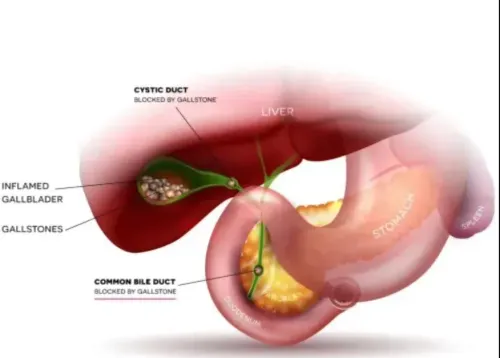
Fever with jaundice can indicate acute cholangitis, a bile-duct infection that may require urgent antibiotics and drainage before cancer treatment. Weight loss and appetite loss also matter because they reveal nutritional decline and can change the safety of major surgery or chemotherapy.
Age alone does not rule out an operation or medicines. Doctors assess frailty, memory, independence, nutrition, heart and lung disease, kidney function, liver function and medication burden. A geriatric assessment can expose risks missed by a routine fitness score. Palliative care can start alongside anticancer treatment to control jaundice, pain, nausea, itching and nutrition needs.
A search for bile duct cancer treatment for older adults pcmc should therefore focus on this complete assessment, not age or proximity alone.
The tests that confirm the problem and guide biopsy decisions
A suspected bile-duct tumour is investigated in stages: blood tests identify obstruction, imaging maps its position and spread, and a specialist team decides whether tissue is needed before treatment. The aim is not only to confirm cancer but to avoid a procedure that could block a curative operation.
- Liver-function tests, including bilirubin and alkaline phosphatase, show whether bile flow is obstructed and how well the liver is working.
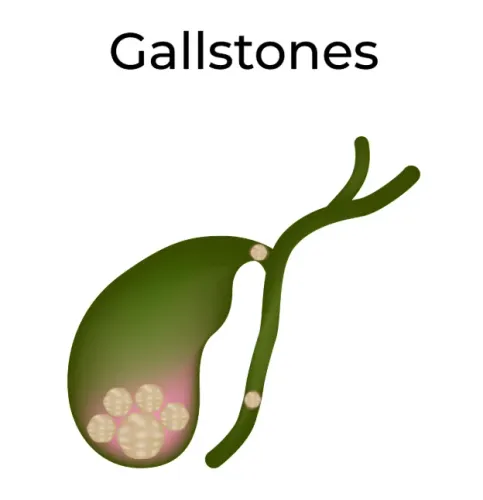
- Abdominal ultrasound can detect dilated bile ducts, gallstones and a visible mass.
- Multiphase CT shows blood-vessel involvement, liver lesions, lymph nodes and distant spread.
- MRI with MRCP gives detailed images of the bile ducts and helps define a perihilar or distal tumour.
A biopsy is usually necessary before chemotherapy, immunotherapy or targeted treatment for unresectable or metastatic disease. The sample also permits molecular testing that may identify treatment options. People searching “cholangiocarcinoma treatment in pune” should ask who will review the scans and pathology together.
Biopsy is not automatically required before an intended curative operation when imaging shows a clearly resectable perihilar or distal tumour. A needle path through a potentially operable perihilar cancer can seed tumour cells or complicate a transplant pathway; a negative sample also does not reliably exclude cancer.
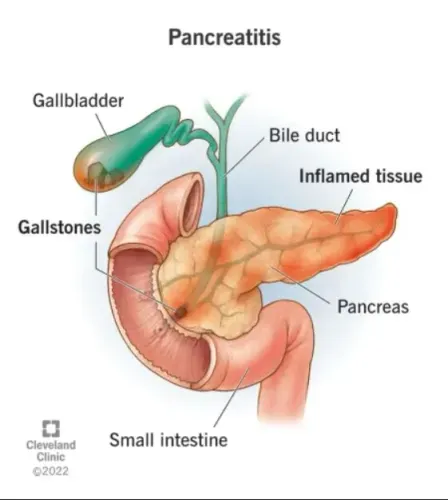
Ask whether imaging already supports surgery, which biopsy route is safest, and whether biliary drainage is needed. Unnecessary stenting can trigger pancreatitis, blockage or cholangitis.
How specialists decide whether surgery is possible
Doctors establish stage and resectability from multiphase contrast CT and/or MRI with MRCP, checking tumour spread, bile-duct extension, major blood vessels, usable liver remnant and distant metastases. Chest imaging is standard staging; selective PET-CT or tissue sampling adds information when findings are uncertain or systemic treatment is planned.
A clearly operable perihilar or distal tumour may go to curative surgery without preoperative biopsy, because a negative sample does not exclude cancer and instrumentation can compromise a surgical or transplant pathway. For unresectable or metastatic disease, obtain tissue before systemic therapy.
Age alone does not decide whether surgery is safe. The team assesses:
- Frailty, cognition, nutrition and functional independence
- Heart and lung disease, kidney and liver function
- Medication burden, recovery support and the patient’s goals
A formal geriatric assessment can reveal risks that a basic fitness score misses.
Location determines the operation and the questions imaging must answer:
| Location | Operation usually considered | Key surgical question |
|---|---|---|
| Intrahepatic cholangiocarcinoma | Liver resection, sometimes with lymph-node assessment | Can the tumour be removed while leaving enough functioning liver? |
| Perihilar cholangiocarcinoma | Bile-duct resection plus major hepatectomy, usually with lymph-node assessment | Does it involve the portal vein, hepatic artery or opposite-side ducts? |
| Distal cholangiocarcinoma | Pancreaticoduodenectomy, also called the Whipple operation | Has it reached major vessels or nearby organs? |
Biliary drainage is not automatic before surgery. Use it for cholangitis, severe jaundice, kidney dysfunction, severe itching or a treatment delay; unnecessary stenting can cause pancreatitis, blockage or infection.
Treatment choices for an older adult: surgery, medicines, radiation and comfort care
An older adult may still receive curative surgery; age alone does not rule it out. The plan depends on frailty, memory and cognition, nutrition, independence, heart and lung disease, kidney and liver function, medication burden, and the patient’s goals. A formal geriatric assessment can reveal risks that a routine fitness score misses.
Available treatment paths include:
- Surgery: Removal of the tumour and, when needed, part of the liver, bile duct or pancreas offers the best chance of long-term control when the cancer is resectable. Recovery, delirium, infection and loss of independence must be weighed against that benefit.
- Medicines: After surgery, six months of capecitabine may be advised if recovery, kidney function and daily medication management allow it. For unresectable or metastatic disease, gemcitabine, cisplatin and durvalumab is a standard first-line option for suitable patients.
- Radiation: Targeted radiation can help control a tumour that cannot be removed, reduce local symptoms, or treat selected postoperative or recurrent disease. The radiation oncologist must consider nearby bowel, liver and previous treatment.
- Comfort-focused care: Bile-duct drainage, treatment of cholangitis, pain and nausea control, nutrition, itching relief and advance-care planning can begin alongside cancer treatment. This is not the same as abandoning care.
Cisplatin requires particular caution because dehydration, kidney injury, low electrolytes, nausea and hearing damage can follow. Monitoring, hydration, antiemetics, dose changes or another regimen can reduce risk. For bile duct cancer treatment for older adults pcmc, choose a team that matches treatment intensity to organ function, frailty and what matters most to you.
Choosing a bile duct cancer team in PCMC and Pune
A nearby address does not prove the right expertise. If you searched “bile duct cancer specialist PCMC” or “bile duct cancer doctor near me,” ask whether the team regularly handles all three tumour locations and discusses cases with hepatobiliary surgery, medical oncology, radiation oncology, interventional radiology and specialist pathology.
| Location | Operation the team should explain | Evidence to request |
|---|---|---|
| Intrahepatic | Liver resection, sometimes with lymph-node assessment | Who performs the liver surgery |
| Perihilar | Bile-duct resection with major hepatectomy | Experience with vascular involvement and reconstruction |
| Distal | Pancreaticoduodenectomy, or Whipple operation | The surgeon’s experience with this operation |
Before agreeing to treatment, ask:
- Has my scan included multiphase contrast CT or MRI with MRCP, and does it show vascular involvement, bile-duct spread, liver remnant and metastases?
- Do I need a biopsy now, or could it compromise a potentially curative operation or transplant pathway?
- Why do I need biliary drainage? Is there cholangitis, severe jaundice, kidney dysfunction, itching, or a treatment delay?
- What are the expected hospital stay, rehabilitation needs and risks at my age and fitness level?
- Can palliative care address pain, itching, nutrition and advance-care planning alongside cancer treatment?
Dr Amol Jadhav's Comprehensive Liver Care Center can be useful to compare when its team explains the operation, tissue plan and drainage decision rather than offering a generic “cholangiocarcinoma treatment in Pune” label. A second opinion is sensible before an irreversible operation.
Related service
Bile Duct Cancer Treatment Specialist in Pune, PCMC Maharashtra What Is Bile Duct Cancer (Cholangiocarcinoma)? Bile duct cancer is a rare disease in which malignant (cancer) cells form in the bile ducts. View service → |
Frequently asked questions
What symptoms of bile duct cancer need urgent medical care?
Seek urgent care for worsening jaundice, fever or chills, confusion, severe abdominal pain, repeated vomiting, or inability to eat and drink. A blocked bile duct can become infected and needs prompt treatment.
Which tests confirm bile duct cancer and guide biopsy decisions?
Doctors use blood tests, liver-function tests, ultrasound, contrast CT, MRI with MRCP, and sometimes ERCP or endoscopic ultrasound. The tumour’s location and planned treatment determine whether tissue sampling is needed before treatment.
How do specialists decide whether surgery is possible for an older adult?
The team reviews tumour location, spread to blood vessels or nearby organs, liver reserve, heart and lung fitness, nutrition, kidney function, medicines, and independence in daily activities. A multidisciplinary review helps balance benefit against recovery risk.
What treatments are available for bile duct cancer in older adults?
Options include surgery when the tumour is removable, systemic medicines for unresectable or advanced disease, radiation for selected tumours or symptoms, bile drainage, and comfort-focused care. The plan depends on cancer stage, fitness, organ function and personal goals.
How can you choose a bile duct cancer specialist in PCMC or Pune?
Choose a team with hepatobiliary surgery, medical oncology, radiology, endoscopy, pathology, nutrition and palliative-care support. Ask who will review your scans, whether surgery is realistic, how blocked bile flow will be managed, and what follow-up includes.
Keywords