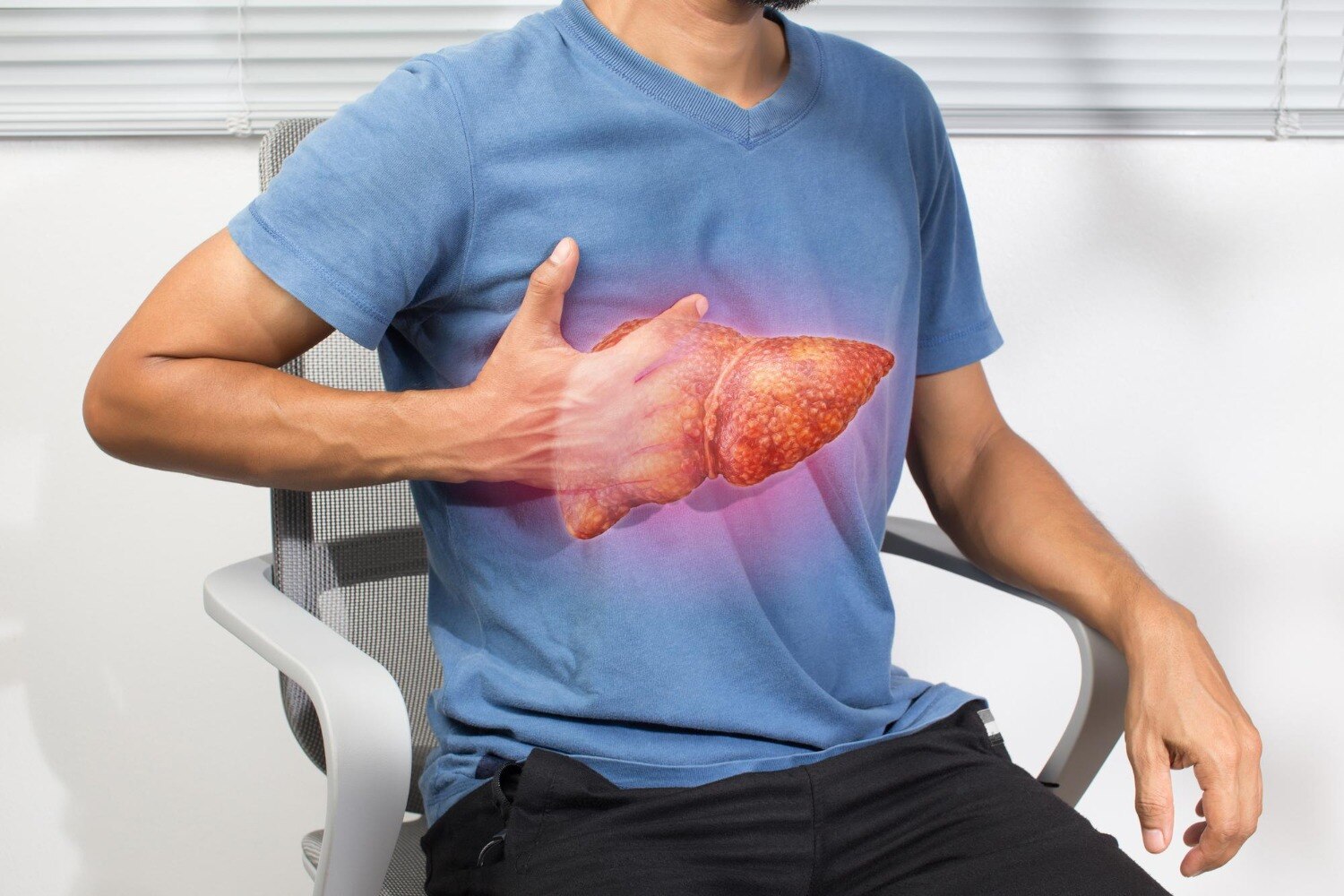
A child with jaundice can have acute hepatitis without liver failure, but jaundice combined with confusion, unusual drowsiness or bleeding signals a medical emergency. You will learn how to recognise acute liver failure, what to do in the first hour, which tests and treatments matter, and how to choose a hospital equipped to support recovery or arrange transplantation.
Key takeaways
- Take sudden jaundice, confusion, unusual sleepiness, or bleeding to emergency care immediately.
- Ask doctors to check INR, glucose, ammonia, liver enzymes, bilirubin, and kidney function.
- Do not give paracetamol, herbal remedies, or unprescribed medicines after sudden jaundice.
- Choose a center with pediatric critical care, hepatobiliary surgery, and transplant referral access.
What acute liver failure means in a child—and when jaundice becomes an emergency
Acute liver failure means a child’s liver has suddenly lost function without known chronic liver disease or established cirrhosis. Doctors diagnose it through acute liver injury plus impaired clotting: an INR of at least 1.5 with hepatic encephalopathy, or an INR of at least 2.0 even without encephalopathy.
Urgent referral is necessary before obvious confusion appears.
Acute hepatitis means liver inflammation; viral hepatitis is one possible cause. Either can progress to liver failure, but jaundice alone does not prove liver failure. Chronic liver disease develops over time and is different from this sudden loss of function.
Emergency warning signs include:
- Yellow eyes or skin, dark urine, pale stools, repeated vomiting, or inability to drink.
- Irritability, sleep reversal, unusual sleepiness, confusion, reduced interaction, or any behaviour change.
- Easy bruising or bleeding, severe abdominal swelling, or severe abdominal pain.
Jaundice with altered alertness, confusion, or unusual drowsiness requires an emergency department immediately, not a routine outpatient appointment. Searching for acute liver failure treatment for children in Pune should not delay that assessment.
Infants and young children can show subtle hepatic encephalopathy: poor feeding, lethargy, irritability, reduced interaction, or abnormal behaviour rather than clear confusion. Because these changes are easy to miss, clinicians need repeated neurological assessments, alongside clotting and other urgent tests.
What parents should do during the first hour in Pune or PCMC
Take the child immediately to a hospital emergency department with pediatric critical-care capability. Do not wait for a routine appointment. If you are searching acute liver failure care pcmc, choose a hospital that can stabilise a child and arrange urgent specialist transfer.
During travel or registration:
- Record when jaundice, vomiting, unusual sleepiness or behaviour changes began.
- Bring every prescription medicine, over-the-counter product, supplement and herbal preparation.
- Tell clinicians about every possible paracetamol exposure, including the product name, strength, amount, times given and who administered it.
Accidental repeated dosing, concentrated children’s formulations and adult tablets can cause serious liver toxicity. Risk depends on the child’s weight, formulation, timing and repeated doses, so there is no single toxic dose that applies to every child.
Do not give more paracetamol, herbal remedies or over-the-counter medicines unless a clinician instructs you. Clinicians investigate paracetamol exposure even when your family knows of no definite overdose; a blood level, timing history and examination help assess the possibility.
During stabilisation, the team also looks for reversible causes, including:
- Viral hepatitis
- Autoimmune hepatitis
- Wilson disease
- Metabolic disease
- Hypoxic injury
- Drug-induced liver injury
Speed matters because treatment decisions depend on laboratory trends, alertness and injury to other organs.
Which tests show how severe the liver failure is
INR and mental-status changes provide the clearest early warning of dangerous liver failure, but clinicians assess them with the whole-body picture. A child with high AST and ALT, preserved clotting and normal alertness may have severe acute hepatitis without liver failure. Another child with less dramatic enzymes but a worsening INR is in greater danger.
The urgent work-up includes:
- Repeat liver-function tests, bilirubin, PT/INR, blood glucose, ammonia, electrolytes, kidney-function tests, complete blood count and blood gas.
- Lactate, viral testing, an acetaminophen (paracetamol) level, autoimmune markers and metabolic tests for conditions such as Wilson disease.
- Abdominal Doppler ultrasound when clinicians need to assess liver blood flow, portal circulation or blockage.
AST or ALT alone cannot predict recovery or prove that transplantation is immediately necessary. Enzyme levels can fall as the amount of viable liver-cell mass declines.
| Child’s findings | What they suggest | Why it matters |
|---|---|---|
| High AST and ALT, stable INR, normal alertness | Severe liver injury with preserved function | Close monitoring is urgent, but enzymes alone do not establish liver failure |
| Less dramatic AST and ALT, worsening INR, confusion or drowsiness | Declining liver function | Early transplant-capable referral is needed |
Doctors repeat neurological examinations and track INR, glucose, lactate, ammonia, bilirubin, kidney function, acidosis and circulation. Trends reveal whether native-liver support is working or whether multi-organ injury demands escalation.
How treatment can improve the chance of recovery without promising a quick cure
Treatment can improve a child’s chance of recovering faster when it reverses the cause early and prevents brain, kidney and circulatory injury. No single treatment makes every liver regenerate quickly; some children need transplantation.
1. Start cause-specific treatment promptly. N-acetylcysteine is standard for suspected paracetamol-related acute liver failure and can begin before every result returns. Its benefit in non-paracetamol paediatric liver failure is not equivalent, so alf treatment in pune is not simply NAC.
2. Maintain the body while the liver recovers. Check glucose frequently and give dextrose when needed; correct sodium and other electrolyte abnormalities; use cautious fluids and manage blood pressure; treat suspected infection; decide early whether renal support is needed; and repeat ammonia tests with regular neurological assessments.
3. Escalate before organ failure becomes irreversible. Worsening INR, rising lactate or ammonia, kidney injury, hypoglycaemia, acidosis, increasing encephalopathy, seizures, abnormal pupils, circulatory failure or respiratory failure should prompt early discussion with a transplant-capable team. Trends matter more than one result.
Fresh-frozen plasma is not given solely to normalise INR. Under specialist direction, reserve it for significant bleeding or an essential invasive procedure, because unnecessary transfusion can obscure the INR trend and cause complications.
Recovery depends on the cause, treatment speed, brain involvement and multi-organ injury, so active support improves the odds without promising a quick cure.
How to choose acute liver failure care in Pune and PCMC
Choose a hospital that can treat deterioration, not merely arrange a liver consultation. Before taking your child there, ask these questions:
| Capability | Question to ask | Why it matters |
|---|---|---|
| Pediatric intensive care | Can you admit a child to a pediatric ICU? | Encephalopathy, seizures or circulatory failure can worsen quickly. |
| Urgent testing | Can you measure INR, ammonia, glucose, lactate and kidney function immediately? | Trends guide escalation and transplant referral. |
| Specialist cover | Is pediatric critical-care and hepatology review available 24 hours a day? | One outpatient opinion cannot monitor changing liver and brain function. |
| Organ support | Can you provide ventilation and kidney-failure treatment, including dialysis when indicated? | Respiratory or renal failure changes the treatment plan. |
| Emergency diagnostics | Can you perform urgent laboratory testing and imaging, including abdominal Doppler ultrasound? | Causes and complications need rapid investigation. |
| Transplant pathway | Can you transfer the child directly to a transplant-capable program if listing becomes necessary? | Delayed referral can remove valuable time. |
An acute liver failure specialist in Pune, or a pediatric liver failure doctor in Pune, must work with pediatric intensive care, hepatology, transplant surgery, nephrology and laboratory medicine. A clinic that only orders liver tests is not enough for a deteriorating child.
Families can contact Dr Amol Jadhav's Comprehensive Liver Care Center to understand referral, hepatobiliary surgery and transplant pathways, but confirm pediatric ICU access and direct transfer arrangements before relying on any center.
Speed matters: some children recover with native-liver support, while others need transplantation. Continuous monitoring—not one consultation—reveals which path is emerging.
Related service
Acute Liver Failure (ALF) Treatment Specialist in Pune, PCMC, Maharashtra Dr Amol Jadhav is one of the leading and best liver specialist in Maharashtra, He is recognised as one of the best Acute Liver Failure Treatment... View service → |
Frequently asked questions
When does jaundice become an emergency in a child?
Seek emergency care for sudden jaundice with confusion, unusual sleepiness, behavior changes, vomiting, bleeding, seizures, low blood sugar symptoms, or rapidly worsening illness. These signs can indicate acute liver failure and require urgent assessment.
What should parents do during the first hour in Pune or PCMC?
Take the child to the nearest emergency department and call ahead if possible. Bring medicine strips, prescriptions, previous reports, vaccination details, and the exact time jaundice or other symptoms began. Do not give paracetamol, herbal products, or unprescribed medicines unless a doctor directs you.
Which tests show how severe acute liver failure is?
Doctors assess PT/INR, blood glucose, bilirubin, AST and ALT, ammonia, creatinine, electrolytes, blood count, blood gas, and tests for infection, poisoning, autoimmune disease, and metabolic disorders. An INR of at least 1.5 with encephalopathy, or at least 2.0 without it, supports the definition of acute liver failure.
Can acute liver failure treatment help a child recover faster?
Early treatment can correct low glucose, protect the brain, treat infection or poisoning when identified, support kidney and other organ function, and manage complications. Recovery time varies, and treatment cannot promise a quick cure. Some children need urgent evaluation for liver transplantation.
How do you choose acute liver failure care in Pune or PCMC?
Choose a hospital that can provide pediatric intensive care, 24-hour laboratory and imaging support, rapid INR and glucose testing, hepatology or hepatobiliary expertise, and a clear pathway to an experienced liver transplant center when required.
Keywords