A first visit usually involves registration, a detailed medical history, a physical examination, and review of your existing reports—not an automatic biopsy or operation. By preparing the right records and knowing which questions matter, you can use the appointment to understand the likely cause, identify urgent risks, and leave with a clear testing or treatment plan.
Key takeaways
- Tell the clinic whether you need a hepatologist, surgeon, or transplant-team review.
- Bring scan reports, blood-test results, discharge summaries, and your current medicine list.
- Ask which diagnosis is confirmed, which tests remain, and when you need follow-up.
- Seek surgical or transplant assessment for cancer, blocked bile ducts, liver failure, or portal hypertension complications.
How do you book and prepare for a liver doctor appointment in Pune?
Start by telling the clinic whether you need a hepatologist, hepatobiliary surgeon, or transplant-team review. Describe your main symptom or diagnosis and mention any recent hospital admission.
| Role | Main purpose | Typical reason to book |
|---|---|---|
| Hepatologist | Medical liver care | Abnormal liver tests, hepatitis, fatty liver, or cirrhosis |
| Hepatobiliary surgeon | Operable HPB conditions | Liver mass, gallbladder, bile-duct, or pancreatic problem |
| Transplant team | Advanced liver disease assessment | Possible need for transplantation |
When arranging a liver doctor appointment in Pune, ask about appointment availability, the exact clinic address, parking, wheelchair access, and whether same-day blood tests or FibroScan are offered. Ask whether you need a referral; requirements differ between clinics and referral pathways. Confirm whether fasting is required for any test planned that day.
For a liver clinic appointment in Pune, bring:
- Consultation notes, blood-test results, ultrasound, CT, or MRI reports
- The actual image discs or digital files, not only written reports
- Biopsy or endoscopy reports and hospital discharge summaries
- A complete list of prescription medicines, over-the-counter products, painkillers, and herbal supplements
Write down when symptoms began, weight changes, alcohol intake, hepatitis vaccination or exposure history, prior transfusions, and family liver disease. Include a support person if you may need help remembering instructions or recording the plan.
What happens during check-in, history-taking, and examination?
At check-in, staff record your identity, contact details, referral documents, medicines, and consent to review records from another hospital. The first consultation usually covers history, examination, and planning; biopsy, endoscopy, or surgery is not automatically performed.
During the hepatologist consultation process in Pune, expect questions about alcohol quantity and frequency, acetaminophen use, prescription medicines, herbal supplements, diabetes, weight change, viral hepatitis exposure, family liver disease, and previous surgery or transfusion. Describe when each symptom began and how it changed:
- Yellow eyes or skin, itching, abdominal pain, or abdominal swelling
- Nausea or vomiting
- Black, tarry stools or vomiting blood
- Ankle or leg swelling
- Sleepiness, poor concentration, or confusion
The examination may include checking your eyes and skin for jaundice, feeling the abdomen for tenderness, fluid, an enlarged liver, or an enlarged spleen, and looking for leg swelling, bruising, muscle loss, or other signs of chronic liver disease.
If cirrhosis or portal hypertension is a concern, the clinician may assess nutrition, mental alertness, and bleeding risk. Few symptoms do not rule out significant fibrosis.
Seek emergency care instead of waiting for what happens at a liver specialist appointment in Pune if you vomit blood, pass black stools, develop new confusion or extreme drowsiness, have fever with abdominal swelling or pain, or develop rapidly worsening jaundice.
Which reports and tests might the hepatologist review or order?
Existing reports help the hepatologist identify patterns, but one abnormal result rarely gives a diagnosis. During the hepatologist consultation process in Pune, the doctor chooses additional tests to answer a specific question: inflammation, reduced liver function, fibrosis, infection, blocked bile flow, or a lesion.
Blood work may include bilirubin, ALT, AST, alkaline phosphatase, albumin, prothrombin time or INR, complete blood count, platelet count, kidney function, electrolytes, and glucose. History may prompt hepatitis B and C tests, autoimmune markers, iron studies, ceruloplasmin, alpha-1 antitrypsin, or other inherited and metabolic tests; these are not routine for every patient.
| Test | What it helps assess | Important point |
|---|---|---|
| Abdominal ultrasound | Liver, gallbladder, spleen, and fluid | Doppler adds blood-flow assessment |
| FibroScan (transient elastography) | Estimated liver stiffness | Inflammation, bile-flow blockage, congestion, recent food, obesity, ascites, or technical problems can distort it |
| CT | Lesion or complication | Contrast precautions may apply |
| MRI with MRCP | Liver, bile ducts, and pancreatic ducts | It may be scheduled separately |
| Endoscopy, biopsy, or ERCP | Varices, tissue diagnosis, or selected bile-duct problems | ERCP is invasive; sedation or other preparation may be needed |
FibroScan is not a stand-alone diagnosis; the hepatologist interprets it with blood tests and imaging. At a liver clinic appointment in Pune, ask whether fasting, contrast precautions, or sedation apply, and whether each test will happen that day or later.
How will the doctor explain the findings and next steps?
The doctor will separate confirmed findings from working explanations and label each next step. Fatty liver, abnormal liver enzymes, hepatitis, cirrhosis, gallstones, bile-duct obstruction, pancreatitis, or a liver lesion may be discussed without assigning an advanced diagnosis prematurely.
An abnormal liver test is not the same as liver cancer, and it does not by itself prove cirrhosis.
| Specialist | Main focus | Possible next step |
|---|---|---|
| Hepatologist | Medical liver disease and complications | Treatment, monitoring, or further tests |
| HPB surgeon | Operable liver, gallbladder, bile-duct, or pancreatic problems | Scan review, procedure discussion, or referral |
| Transplant team | Advanced liver disease | Transplant suitability assessment |
What happens at a liver specialist appointment in Pune may include a plan for repeat blood tests, ultrasound, FibroScan, CT, MRI/MRCP, endoscopy, biopsy, or ERCP. The hepatologist consultation process in Pune may schedule these separately; preparation can include fasting, contrast precautions, or sedation arrangements.
Ask these questions before leaving:
- What is the leading explanation, and which result supports it?
- Which test is needed next, and what preparation does it require?
- Which medicines, supplements, alcohol, or painkillers should I stop or avoid?
- When should I return?
- Which symptoms require urgent help?
A first consultation usually ends with investigation, monitoring, medical treatment, or referral—not an automatic biopsy, endoscopy, or operation. Referral between a hepatologist, HPB surgeon, and transplant team is a normal part of choosing the right pathway.
When does the appointment lead to specialist surgery or transplant assessment?
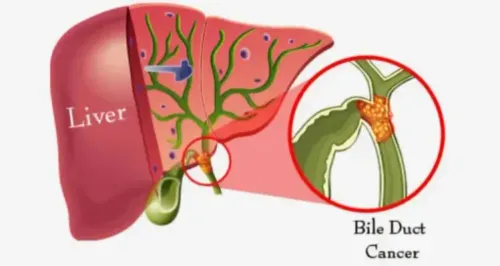
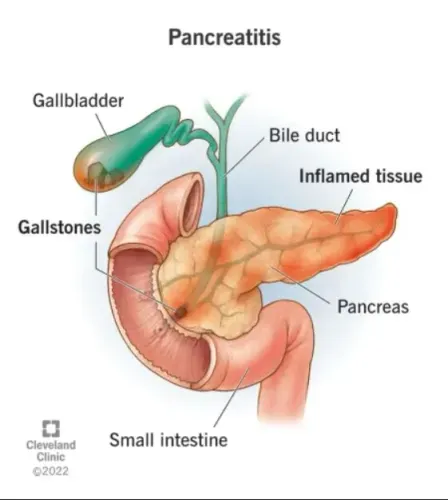
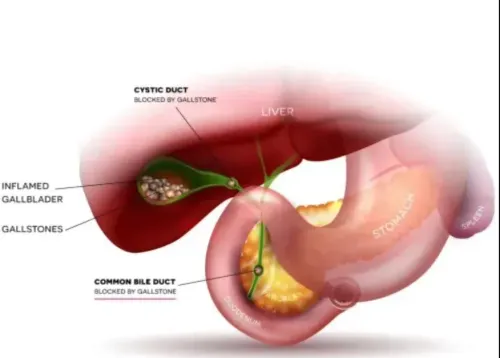
An operable lesion, bile-duct obstruction, gallbladder problem, or pancreatic condition can move your case from medical review to an HPB surgeon. The surgeon may first examine the original CT, MRI/MRCP, ultrasound images, and reports before discussing an operation or another procedure.
| Role | Main responsibility | What your appointment may lead to |
|---|---|---|
| Hepatologist | Medical liver disease and complications | Medicines, monitoring, or referral |
| HPB surgeon | Operable liver, gallbladder, bile-duct, or pancreatic conditions | Surgical planning or further imaging |
| Transplant team | Suitability for liver transplantation | Full transplant assessment or continued medical care |
Transplant assessment is broader than a routine consultation. It can include repeated liver and kidney tests, blood group and infection testing, heart and lung evaluation, cancer screening, nutrition and frailty review, psychosocial and substance-use assessment, and confirmation of caregiver and post-transplant support.
MELD-based scores use bilirubin, creatinine, INR, and sodium; newer versions also include albumin and demographic variables. The score estimates risk, but it does not guarantee listing, identify the cause of liver disease, or replace clinical and regulatory review.
A living-donor discussion does not mean donor approval. The potential donor needs separate medical, anatomical, psychological, and voluntary-consent assessments.
Before booking a liver doctor appointment in Pune or a liver clinic appointment in Pune, ask:
- Is the visit with a hepatologist, HPB surgeon, or transplant team?
- Which imaging format does the centre accept?
- Are same-day blood tests or FibroScan available, and is fasting required?
- What follow-up arrangements apply?
Dr Amol Jadhav's Comprehensive Liver Care Center is one Pune option to check when you need to match the consultation with the required tests and specialist pathway.
Frequently asked questions
How do you book and prepare for a liver doctor appointment in Pune?
Tell the clinic whether you need a hepatologist, hepatobiliary surgeon, or transplant-team review. Describe your main symptom or diagnosis and mention any recent hospital admission. Bring blood-test results, ultrasound or CT reports, endoscopy findings, discharge summaries, prescriptions, and a list of allergies and medicines.
What happens during a liver clinic appointment in Pune?
Check-in is followed by a detailed history of symptoms, alcohol use, previous illnesses, medicines, family history, and hospital admissions. The doctor may examine your abdomen, skin, eyes, hands, legs, and signs of fluid retention or liver disease.
Which reports and tests might a hepatologist review or order?
The hepatologist may review liver function tests, complete blood count, kidney tests, viral hepatitis tests, ultrasound, CT or MRI scans, endoscopy reports, and biopsy results. Further tests depend on your symptoms, examination, and existing reports.
How will the doctor explain the findings and next steps?
The doctor should explain the likely diagnosis, which findings are confirmed, which questions remain unanswered, and whether you need treatment, monitoring, repeat tests, or another specialist. Ask when to return and which symptoms require urgent care.
When does an appointment lead to surgery or transplant assessment?
Referral for hepatobiliary surgery can follow findings such as liver or bile-duct cancer, blocked bile ducts, complex gallbladder disease, or pancreatic conditions. Transplant assessment is considered for advanced liver failure, selected liver cancers, and complications that cannot be controlled with routine treatment.
Keywords