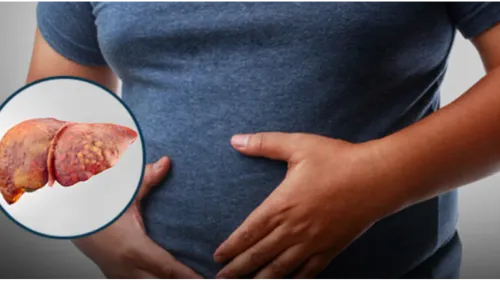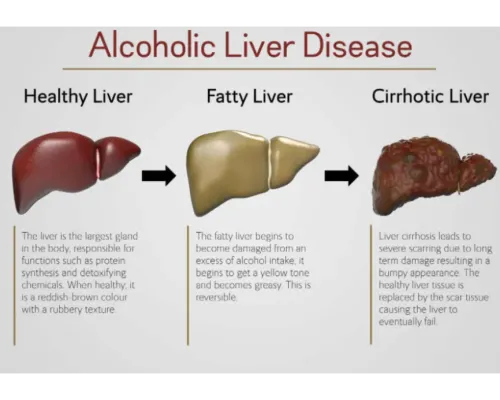
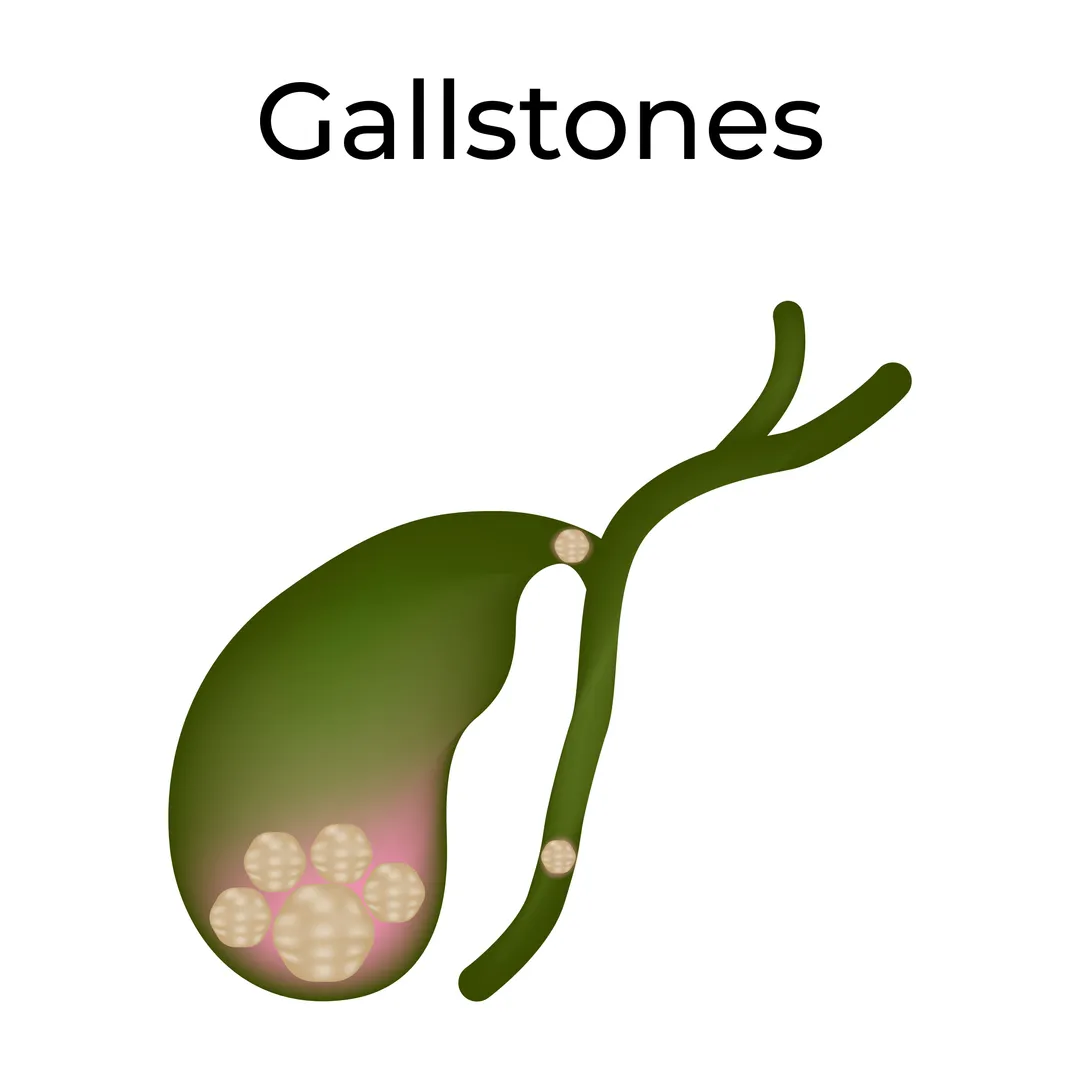
Gallbladder stones are a common digestive condition, yet not every person with gallstones requires immediate surgery. Some individuals remain symptom-free for years, while others experience repeated episodes of pain, infection, or complications that require prompt medical treatment. Understanding when gallstones need intervention is the first step toward preventing more serious health problems.
Meeting a Gallbladder Stone Treatment Specialist in PCMC allows patients to understand whether observation, medication, or surgery is the most appropriate option based on their symptoms and overall health.
What Are Gallbladder Stones?
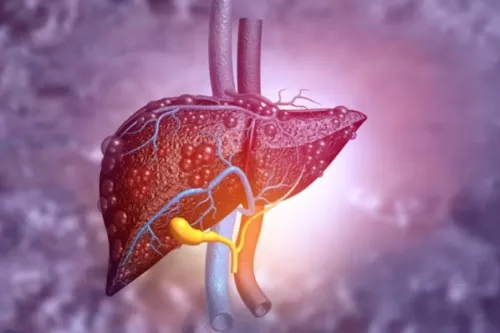
Gallstones are hardened deposits that develop inside the gallbladder, a small organ located beneath the liver. The gallbladder stores bile, which helps digest fats.
Stones may vary in size from tiny particles to larger formations. Some people have a single stone, while others develop multiple stones over time.
Why Do Gallstones Develop?
Several factors increase the likelihood of gallstone formation.
These include:
- Obesity
- Rapid weight loss
- High-fat diet
- Diabetes
- Pregnancy
- Family history
- Increasing age
- Female gender
- Certain medical conditions affecting bile composition
Although these factors increase risk, gallstones can also occur in people without obvious predisposing conditions.
Symptoms That Suggest Gallstones
Many gallstones are discovered incidentally during imaging performed for unrelated reasons.
When symptoms occur, they commonly include:
- Sudden pain in the upper right abdomen
- Pain after eating fatty meals
- Pain spreading to the back or right shoulder
- Nausea
- Vomiting
- Indigestion
- Bloating
Episodes often last from several minutes to a few hours and may recur if the underlying problem is not addressed.
When Gallstones Become Complicated
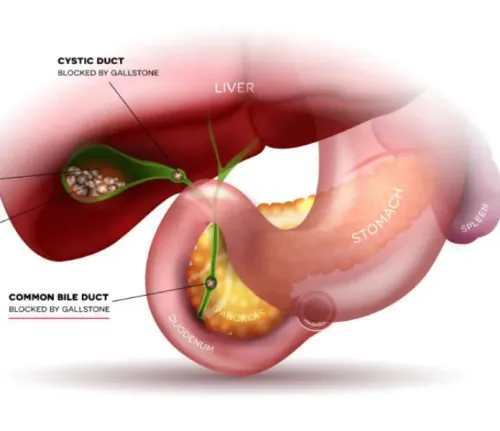
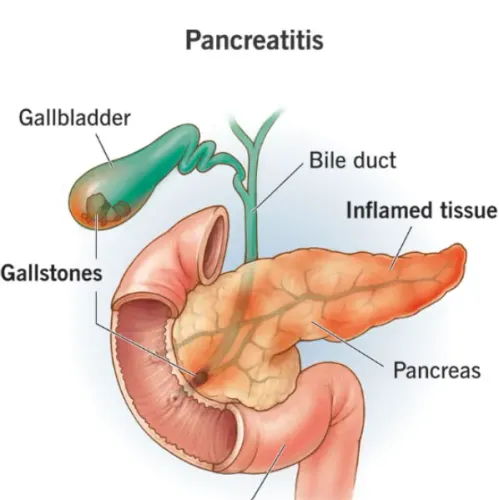
Gallstones can sometimes move into the bile duct or cause inflammation.
Possible complications include:
- Acute cholecystitis
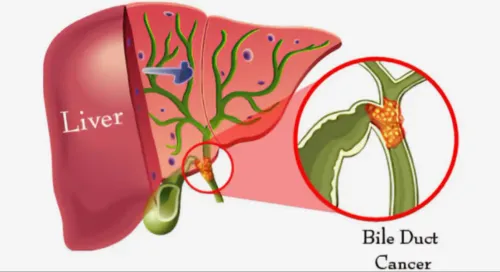
- Bile duct obstruction
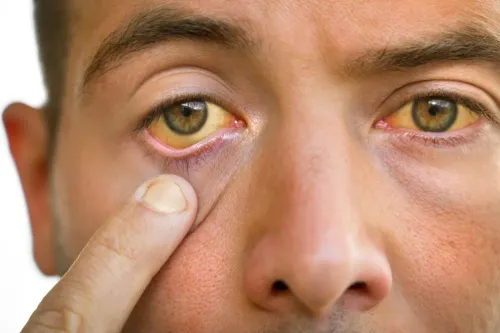
- Jaundice
- Acute pancreatitis
- Infection of the bile ducts
These conditions require urgent medical attention because delaying treatment may increase the risk of serious complications.
How Are Gallstones Diagnosed?
Evaluation usually begins with a clinical examination followed by imaging studies.
Common investigations include:
- Abdominal ultrasound
- Liver function tests
- Complete blood count
- CT scan in selected cases
- MRCP if bile duct stones are suspected
These tests help determine whether stones are confined to the gallbladder or have affected the bile ducts.
Is Surgery Always Necessary?
Not every gallstone requires surgical treatment.
Patients without symptoms may simply require observation in certain situations. However, surgery is generally recommended when stones cause repeated pain, infection, or complications.
The most common treatment is laparoscopic cholecystectomy, a minimally invasive procedure in which the gallbladder is removed through small incisions. This approach usually results in less postoperative discomfort and quicker recovery than traditional open surgery for suitable candidates.
Preparing for Gallbladder Surgery
Before surgery, patients may undergo:
- Routine blood investigations
- Cardiac evaluation when indicated
- Anaesthesia assessment
- Review of current medications
- Imaging to rule out bile duct stones
Careful preparation helps improve safety and reduce postoperative risks.
Recovery After Treatment
Most patients gradually return to normal activities after recovery, although the timeline varies according to the individual's health and the type of procedure performed.
Doctors commonly recommend:
- Eating light meals initially
- Staying physically active through gentle walking
- Drinking adequate fluids
- Following wound care instructions
- Attending follow-up appointments
- Reporting persistent fever, jaundice, or severe pain immediately
Most people are able to resume normal digestion after their body adapts to the absence of the gallbladder.
Why Specialist Evaluation Matters
Gallbladder symptoms can resemble several other digestive disorders. Proper diagnosis ensures that treatment is directed toward the actual cause rather than simply relieving temporary symptoms.
Dr Amol Jadhav's Comprehensive Liver Care Center evaluates patients with gallbladder disorders using detailed clinical assessment and modern diagnostic techniques. Individuals across PCMC receive personalised treatment recommendations based on symptom severity, imaging findings, and overall health, ensuring that surgery is advised only when medically appropriate.
Early medical evaluation helps prevent avoidable complications while allowing patients to choose the most suitable treatment based on accurate diagnosis rather than assumptions.
Keywords