Alcohol affects many organs in the body, but the liver bears the greatest burden because it processes most of the alcohol consumed. While occasional drinking may not cause significant harm in healthy individuals, long-term or excessive alcohol consumption can gradually damage liver tissue. Recognizing the early symptoms and seeking timely Alcoholic Liver Diseases Management can help prevent permanent liver damage and improve overall health.
Many people in PCMC and across Maharashtra assume liver disease develops suddenly. In reality, alcoholic liver disease often progresses silently over several years before noticeable symptoms appear.
What Is Alcoholic Liver Disease?
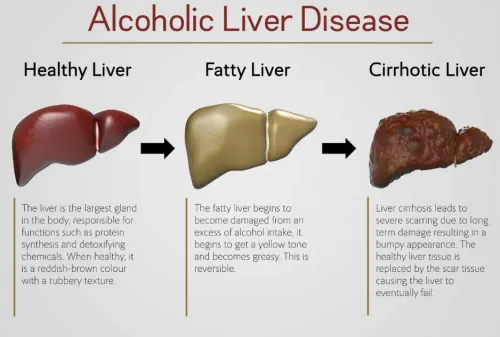
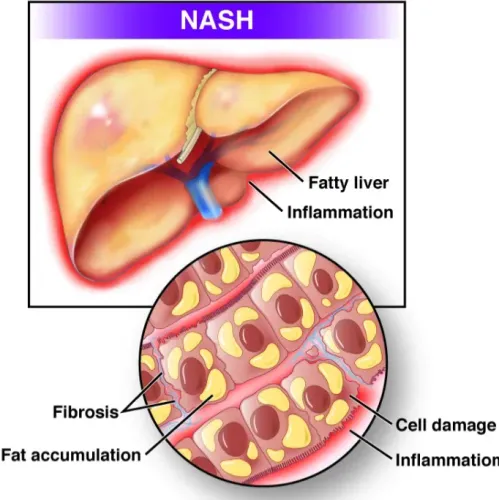
Alcoholic liver disease (ALD) refers to liver damage caused by prolonged alcohol consumption. The severity can range from mild fat accumulation in the liver to inflammation, scarring, and eventually liver failure.
The condition generally progresses through three stages:
- Fatty liver (Alcoholic Fatty Liver)
- Alcoholic hepatitis
- Liver cirrhosis
Not everyone experiences all stages, and early intervention can sometimes stop or slow progression.
Common Symptoms to Watch For
In its early stages, alcoholic liver disease may not cause obvious symptoms. As the condition advances, patients may experience:
- Persistent tiredness
- Loss of appetite
- Nausea
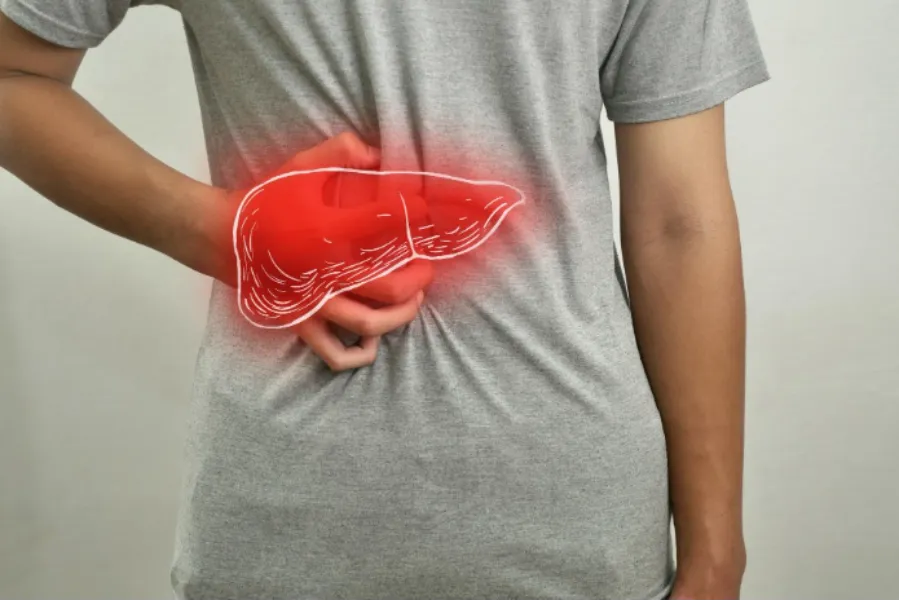
- Pain or discomfort in the upper right abdomen
- Unexplained weight loss
- Yellowing of the eyes and skin (jaundice)
- Swelling of the abdomen or legs
- Easy bruising
- Mental confusion in advanced disease
Because these symptoms overlap with other liver disorders, medical evaluation is essential rather than self-diagnosis.
Who Is at Higher Risk?
Several factors increase the likelihood of developing alcoholic liver disease:
- Long-term heavy alcohol consumption
- Poor nutrition
- Existing liver conditions
- Obesity
- Viral hepatitis
- Genetic susceptibility
The amount of alcohol that causes liver damage varies from person to person, making regular health assessments important for individuals with frequent alcohol intake.
How Is the Condition Diagnosed?
Doctors evaluate alcoholic liver disease using a combination of medical history, physical examination, blood investigations, and imaging studies.
Tests may include:
- Liver function tests
- Ultrasound of the abdomen
- CT scan or MRI when required
- Fibrosis assessment
- Liver biopsy in selected cases
These investigations help determine the extent of liver damage and guide treatment decisions.
Treatment Focuses on More Than Medication
Successful Alcoholic Liver Diseases Management involves addressing both liver health and lifestyle changes.
Treatment may include:
- Complete abstinence from alcohol
- Nutritional support
- Vitamin supplementation
- Medicines for specific complications
- Management of cirrhosis-related problems
- Regular monitoring of liver function
Patients with advanced disease may require hospitalization or evaluation for liver transplantation if liver failure develops.
Can the Liver Recover?
The liver has an impressive ability to heal itself, particularly during the early stages of disease.
People diagnosed with fatty liver due to alcohol may experience significant improvement after stopping alcohol consumption and adopting healthier habits. However, advanced cirrhosis causes permanent scarring, making early diagnosis especially important.
When Should You Consult a Liver Specialist?
Do not ignore symptoms simply because they appear mild.
Seek medical advice if you experience:
- Persistent jaundice
- Abdominal swelling
- Vomiting blood
- Black stools
- Frequent confusion
- Severe weakness
- Ongoing loss of appetite
- Significant weight loss
Early specialist evaluation can help identify complications before they become life-threatening.
Supporting Long-Term Liver Health
Protecting the liver involves consistent lifestyle choices.
Helpful measures include:
- Avoiding alcohol completely after diagnosis
- Eating a balanced diet rich in protein where appropriate
- Maintaining a healthy body weight
- Staying physically active
- Taking medicines only under medical supervision
- Keeping regular follow-up appointments
For patients in PCMC seeking evaluation for alcohol-related liver disease, multidisciplinary assessment is valuable because every patient's condition progresses differently. At Dr Amol Jadhav's Comprehensive Liver Care Center, patients receive comprehensive evaluation, disease staging, and personalized treatment planning to manage alcoholic liver disease while reducing the risk of long-term complications.
Keywords