Diseases affecting the liver, pancreas, gallbladder, and bile ducts often require specialised evaluation because these organs work closely together to support digestion and overall health. While many conditions can be managed with medication, others may need surgery to relieve symptoms, prevent complications, or treat serious diseases such as cancer.
Consulting a Hepato-Pancreato-Biliary (HPB) Surgery Specialist in PCMC helps patients understand whether surgery is necessary, what procedure is recommended, and what outcomes they can expect. Modern HPB surgery combines advanced imaging, minimally invasive techniques where appropriate, and careful planning to improve recovery and long-term health.
What Is HPB Surgery?
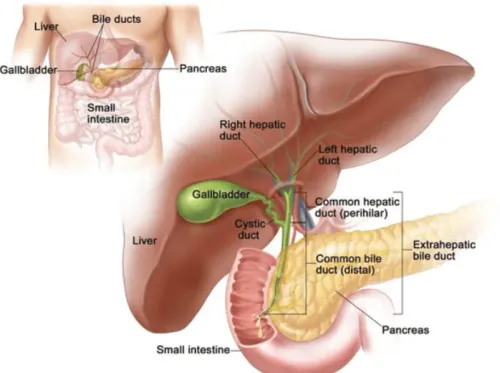
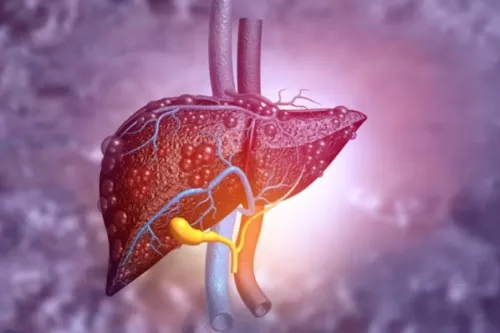
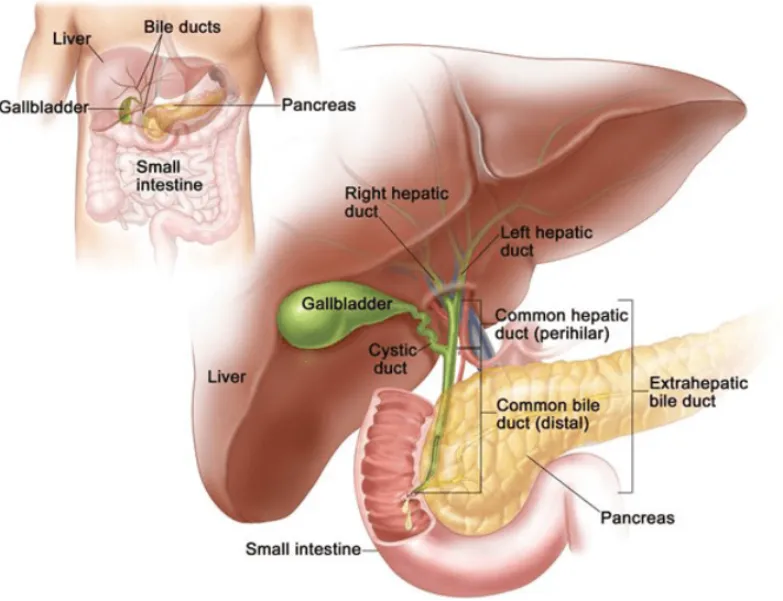
HPB surgery refers to specialised operations performed on the:
- Liver
- Gallbladder
- Bile ducts
- Pancreas
These procedures are often more complex than routine abdominal surgeries because they involve delicate blood vessels and vital digestive structures. They are usually performed after detailed investigations and careful assessment by an experienced specialist.
Conditions That May Require HPB Surgery
Not every liver or gallbladder condition needs surgery. However, certain diseases are best managed through surgical treatment.
These include:
- Liver cancer
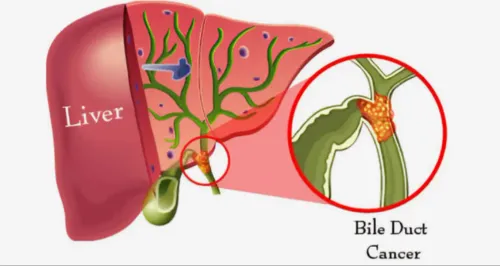
- Bile duct cancer
- Gallbladder cancer
- Pancreatic tumours
- Large liver cysts
- Complex gallbladder stones
- Bile duct stones
- Chronic pancreatitis with complications
- Benign bile duct strictures
- Liver injuries requiring surgical management
The decision depends on the patient's overall health, the stage of the disease, and the expected benefits of surgery.
Signs That Should Not Be Ignored
Some symptoms suggest that further evaluation by an HPB specialist may be necessary.
These include:
- Persistent upper abdominal pain
- Recurrent jaundice
- Unexplained weight loss
- Repeated attacks of pancreatitis
- Fever associated with gallstones
- Persistent vomiting
- Abnormal liver imaging
- Bile duct blockage
Early investigation can prevent complications and improve treatment outcomes.
How Is the Need for Surgery Determined?
Before recommending surgery, specialists carefully evaluate the condition using clinical examination and diagnostic tests.
Common investigations include:
- Blood tests
- Liver function tests
- Ultrasound
- CT scan
- MRI
- MRCP
- Endoscopic investigations when required
These tests help determine the exact location and extent of the disease while assisting surgeons in planning the safest treatment approach.
Types of HPB Surgical Procedures
Depending on the diagnosis, different surgical procedures may be considered.
Examples include:
- Liver resection
- Gallbladder removal (cholecystectomy)
- Bile duct reconstruction
- Surgery for pancreatic tumours
- Removal of bile duct stones
- Drainage procedures for chronic pancreatitis
Whenever suitable, minimally invasive or laparoscopic techniques may be considered to reduce postoperative discomfort and support faster recovery.
Benefits of Early Specialist Evaluation
Delaying treatment may allow certain liver or pancreatic diseases to become more complicated.
Early specialist consultation offers several advantages:
- Accurate diagnosis
- Timely treatment planning
- Better symptom control
- Reduced risk of complications
- Improved surgical preparation
- Greater opportunity for minimally invasive treatment
Understanding all available options helps patients make informed healthcare decisions.
Recovery After HPB Surgery
Recovery varies depending on the procedure performed and the patient's overall health.
Patients are generally advised to:
- Follow dietary recommendations
- Walk regularly during recovery
- Take prescribed medications
- Attend scheduled follow-up visits
- Report fever or unusual pain promptly
- Avoid heavy lifting until advised
A personalised recovery plan supports healing while reducing the likelihood of postoperative complications.
Choosing the Right Specialist
Because HPB procedures are highly specialised, experience and comprehensive evaluation play an important role in treatment planning.
Dr Amol Jadhav's Comprehensive Liver Care Center provides assessment and surgical management for liver, gallbladder, bile duct, and pancreatic disorders. Patients from PCMC and nearby areas receive evidence-based treatment recommendations based on detailed investigations, disease severity, and overall health. The focus remains on delivering safe, patient-centred care while preserving organ function whenever possible.
When liver and pancreatic conditions require surgical treatment, timely evaluation by an experienced HPB specialist helps patients understand their options and move forward with confidence.
Keywords