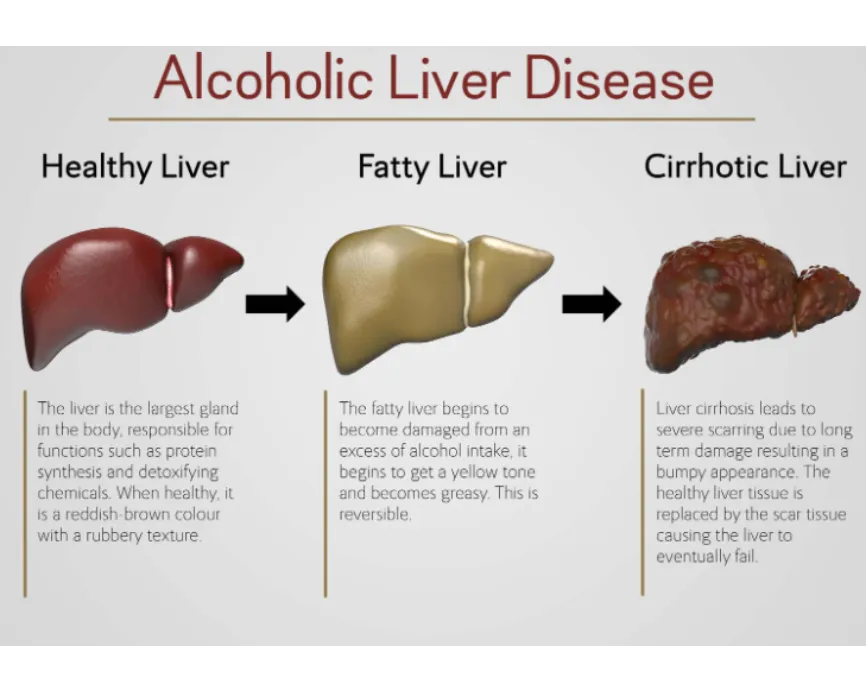
Alcohol affects the liver more than any other organ because it is responsible for breaking down and processing alcohol consumed by the body. While the liver has a remarkable ability to repair itself, repeated alcohol exposure over many years can gradually overwhelm this process, leading to inflammation, scarring, and permanent liver damage.
Consulting an Alcoholic Liver Disease Specialist in PCMC is advisable for individuals with a history of long-term alcohol consumption, abnormal liver tests, or symptoms suggesting liver dysfunction. Early medical intervention offers the best opportunity to slow or prevent disease progression.
What Is Alcohol Related Liver Disease?
Alcohol-related liver disease is a group of conditions caused by excessive alcohol consumption over time.
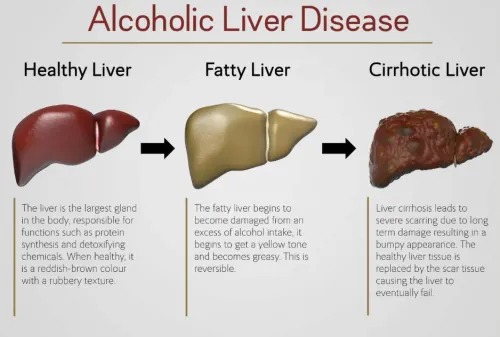
The disease often progresses through different stages:
- Fatty liver
- Alcoholic hepatitis
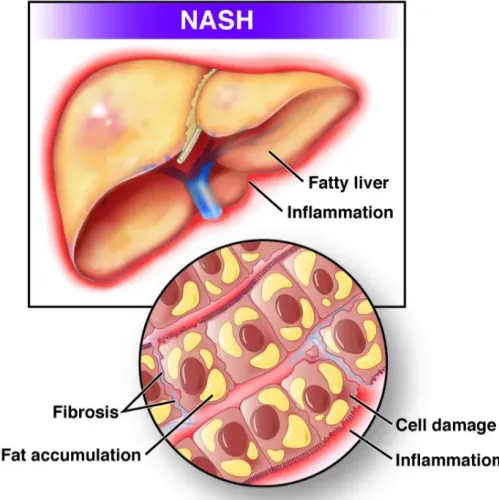
- Liver fibrosis
- Cirrhosis
- Liver failure in advanced cases
Not everyone follows the same pattern, and the amount of alcohol required to cause damage varies between individuals.
Early Liver Damage May Go Unnoticed
One of the biggest challenges is that alcohol-related liver disease often develops silently.
Many patients have no symptoms during the initial stages.
As liver damage progresses, symptoms may include:
- Fatigue
- Loss of appetite
- Weight loss
- Nausea
- Pain in the upper abdomen
- Swelling of the legs
- Abdominal swelling
- Yellowing of the eyes and skin
- Easy bruising
These symptoms usually indicate that the liver requires prompt medical evaluation.
Who Is at Greater Risk?
Several factors influence the likelihood of developing alcohol-related liver disease.
These include:
- Heavy alcohol consumption over many years
- Poor nutrition
- Obesity
- Viral hepatitis
- Diabetes
- Family history of liver disease
- Smoking combined with excessive alcohol use
Some individuals may develop liver damage despite consuming less alcohol than others because of genetic and metabolic differences.
How Is Alcohol Related Liver Disease Diagnosed?
Diagnosis begins with a detailed medical history and physical examination.
A specialist may recommend:
- Liver function tests
- Complete blood count
- Ultrasound
- FibroScan
- CT scan or MRI when indicated
- Additional investigations to assess liver function and complications
These tests help determine the stage of liver damage and guide treatment planning.
Can the Liver Recover?
Recovery depends largely on the stage of the disease.
In early stages, stopping alcohol consumption may allow the liver to repair much of the existing damage.
However, advanced fibrosis and cirrhosis may not be fully reversible, making early intervention especially important.
Treatment may include:
- Complete alcohol abstinence
- Nutritional counselling
- Vitamin supplementation
- Treatment of liver complications
- Regular liver monitoring
- Management of associated medical conditions
Some patients with advanced liver failure may require evaluation for liver transplantation.
Practical Steps to Protect Liver Health
Patients recovering from alcohol-related liver disease are usually advised to:
- Avoid alcohol completely
- Eat a balanced, protein-rich diet if recommended
- Exercise regularly within medical guidance
- Maintain a healthy weight
- Take medications only under medical supervision
- Attend regular follow-up appointments
Long-term commitment to lifestyle changes significantly improves overall health and quality of life.
Why Professional Support Is Valuable
Stopping alcohol consumption can be challenging for many individuals, especially after years of regular drinking. Ongoing medical supervision helps monitor liver recovery while addressing nutritional deficiencies and potential complications.
Dr Amol Jadhav's Comprehensive Liver Care Center provides comprehensive assessment and long-term management for patients with alcohol-related liver disease. Individuals across PCMC receive personalised care plans that focus on preserving liver function, treating complications, and supporting sustainable recovery through evidence-based medical management.
Alcohol-related liver disease does not develop overnight, and neither does recovery. Recognising the warning signs early and seeking specialist care can help protect liver health, improve treatment outcomes, and reduce the risk of irreversible liver damage.
Keywords