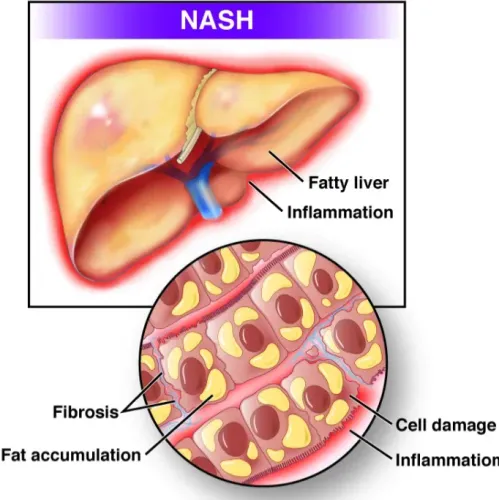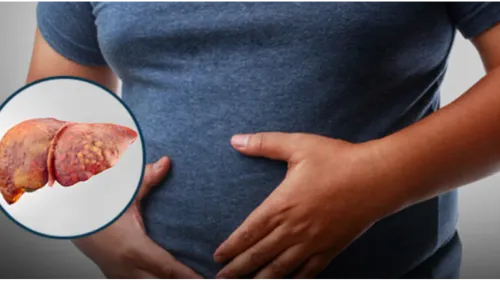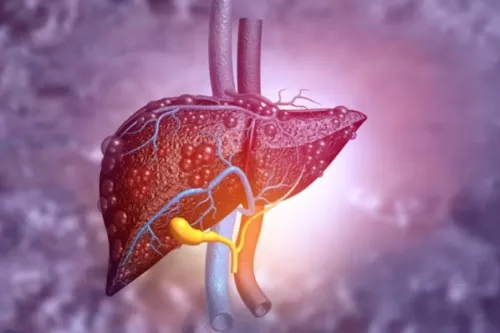
Alcohol-related liver damage can develop quietly. A person may continue normal work plus daily activities despite fat accumulation, inflammation, early scarring within the liver. Symptoms often become noticeable only after liver damage has progressed.
An Alcoholic Liver Disease Specialist in PCMC can assess the extent of liver injury, identify complications, develop a management plan based on the patient's current liver function.
How alcohol affects the liver
The liver processes much of the alcohol consumed by the body. Repeated exposure to significant amounts can damage liver cells.
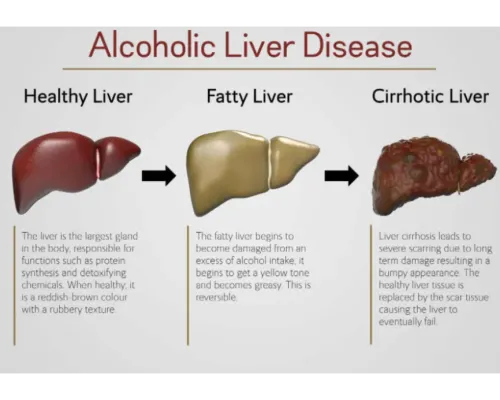
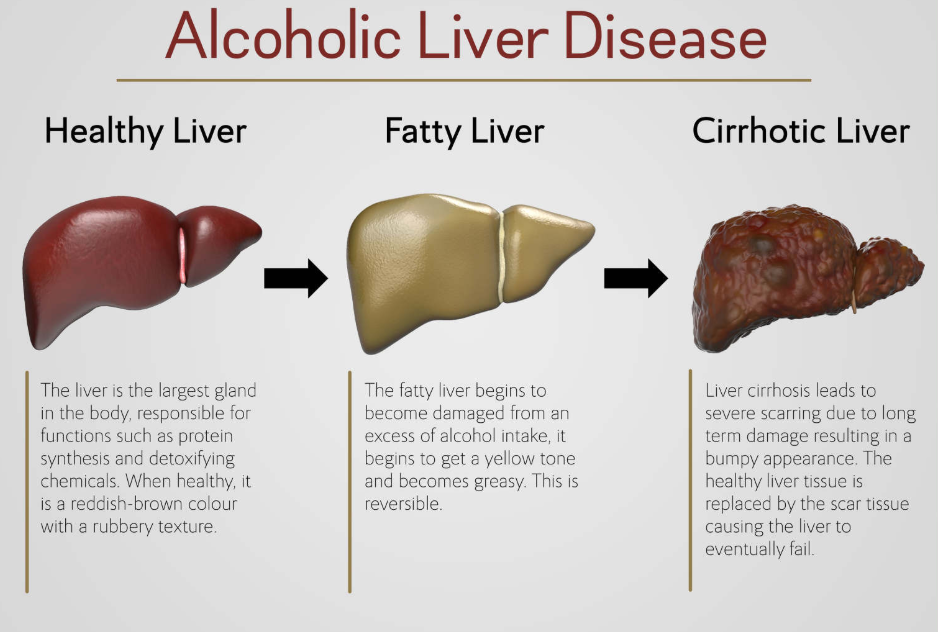
Alcohol-related liver disease may include
- Alcohol-associated fatty liver
- Alcohol-associated hepatitis
- Fibrosis
- Cirrhosis
- Decompensated chronic liver disease
Individual susceptibility differs considerably. Duration of drinking, quantity consumed, nutrition, body weight, genetics, associated medical conditions can influence risk.
Warning signs deserve attention
Early disease may cause no symptoms.
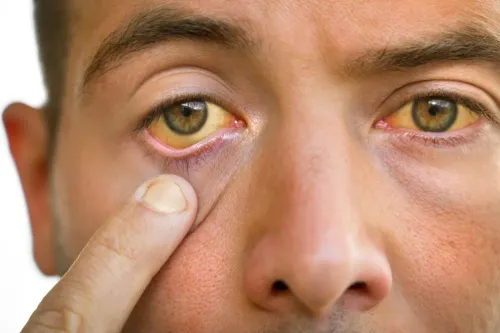
With progression, patients may notice
- Persistent fatigue
- Reduced appetite
- Weight loss
- Jaundice
- Abdominal swelling
- Leg swelling
- Muscle loss
- Easy bruising
- Confusion
- Sleep pattern changes
Vomiting blood, black stools, severe confusion, rapidly increasing abdominal swelling require urgent medical evaluation.
What happens during assessment?
A specialist needs an accurate history of alcohol exposure. Patients should provide this information openly because it directly influences clinical decisions.
Evaluation may include
- Liver function tests
- Complete blood count
- Clotting profile
- Kidney function
- Abdominal ultrasound
- FibroScan
- Additional imaging when indicated
Doctors also assess nutritional status plus signs of complications from portal hypertension.
Is alcohol abstinence enough?
Stopping alcohol is a fundamental part of management, but patients with established liver disease may require much more.
Depending on severity, care can include nutritional management, treatment of fluid accumulation, management of hepatic encephalopathy, screening for varices, surveillance for liver cancer, assessment of transplant requirements in selected advanced cases.
Patients with alcohol dependence may need supervised withdrawal plus structured addiction support. Abrupt cessation can produce medically significant withdrawal symptoms in dependent individuals, so professional guidance is valuable.
Why early evaluation matters
The liver has substantial regenerative capacity. Earlier stages of alcohol-related injury may improve significantly following sustained abstinence plus appropriate medical care.
Cirrhosis represents advanced structural damage. Even at this stage, stopping alcohol remains important because it can reduce further injury plus improve outcomes.
Specialist liver care in PCMC
People sometimes delay consultation because of embarrassment associated with discussing alcohol intake. That delay can allow treatable complications to progress.
Dr Amol Jadhav's Comprehensive Liver Care Center provides assessment for alcohol-related liver disorders in PCMC, focusing on disease severity, complications, long-term liver preservation.
A liver evaluation is not about judging a person's drinking history. Its purpose is to establish what damage has occurred, identify what can still improve, determine which medical interventions are needed.
Keywords