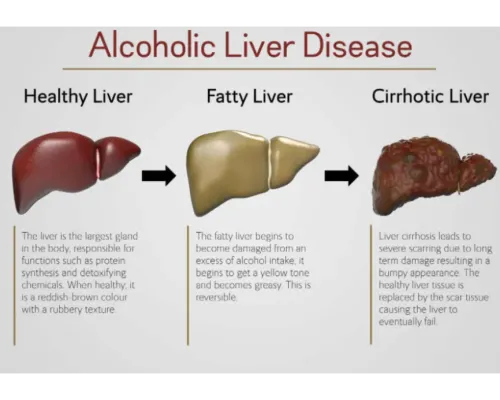
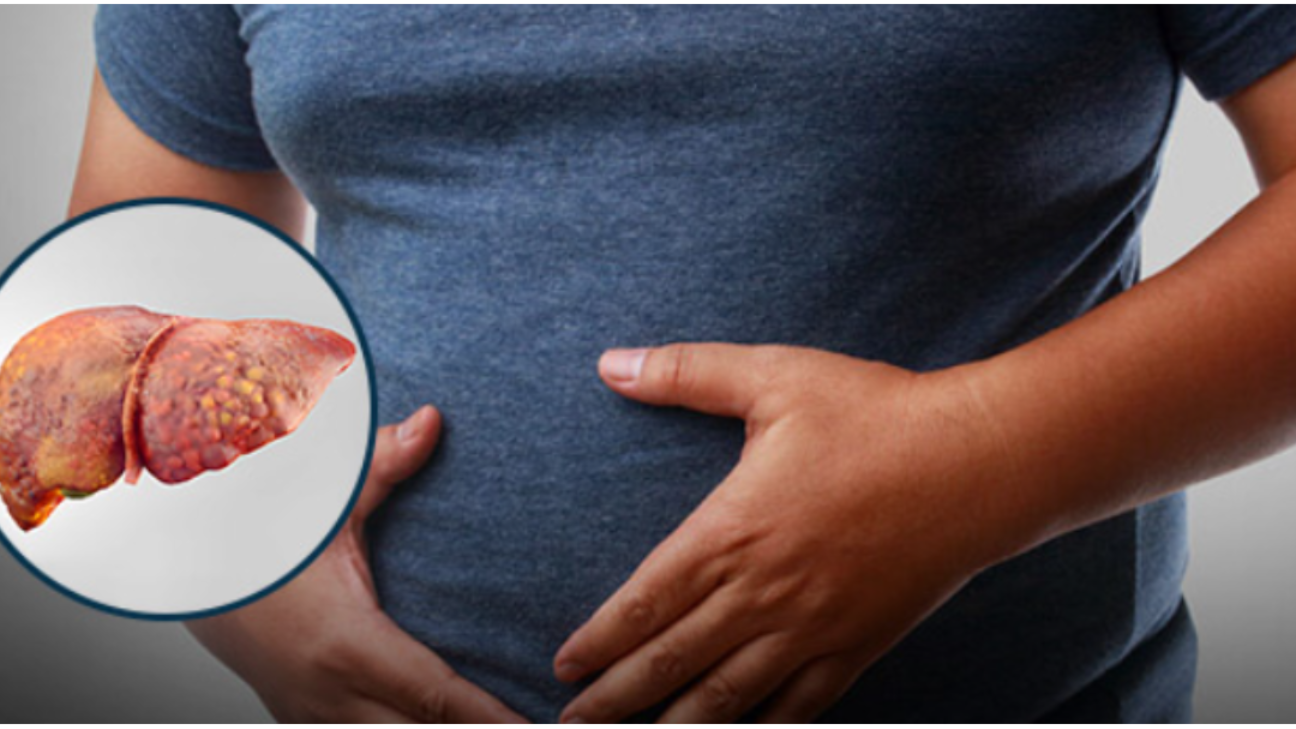
Fatty liver is frequently discovered during an ultrasound performed for a routine health check. Because many people have no pain, jaundice, noticeable illness, the finding is sometimes dismissed. The important question is not simply whether fat is present. Doctors need to determine whether inflammation plus liver scarring have developed.
A Fatty Liver Treatment Specialist in PCMC can assess these risks, particularly when fatty liver occurs alongside obesity, diabetes, abnormal cholesterol, elevated liver enzymes.
Why does fat accumulate in the liver?
Fatty liver is strongly associated with metabolic health.
Common contributing factors include
- Excess body weight
- Abdominal obesity
- Type 2 diabetes
- Insulin resistance
- High triglycerides
- High cholesterol
- Sedentary routines
- Poor dietary patterns
Alcohol consumption can also cause fat accumulation plus liver injury. Identifying the underlying pattern is therefore part of the assessment.
Grade does not tell the entire story
Ultrasound reports commonly describe fatty liver as Grade 1, Grade 2, Grade 3.
Patients sometimes assume that a lower ultrasound grade means there is no meaningful risk. Ultrasound grading describes the appearance of fat, but it does not fully establish the amount of fibrosis.
Fibrosis refers to scar tissue produced following repeated liver injury. Assessing fibrosis is important because it helps predict the risk of future liver complications.
Which investigations may help?
Assessment can include
- Liver function tests
- Blood glucose
- HbA1c
- Lipid profile
- Abdominal ultrasound
- Fibrosis risk calculations
- FibroScan when clinically appropriate
Additional investigations may be needed when doctors suspect another liver disorder.
Can fatty liver improve?
Early fatty liver can often improve substantially when contributing metabolic factors are addressed.
Management may focus on
- Gradual weight reduction when required
- Regular physical activity
- Improved diabetes control
- Better triglyceride management
- Balanced calorie intake
- Reduced intake of sugary drinks
- Reduced consumption of highly processed foods
Crash dieting is not a sensible solution. Sustainable changes are more useful because fatty liver management usually requires long-term metabolic improvement.
Who needs closer follow-up?
Closer assessment becomes particularly relevant for patients with
- Type 2 diabetes
- Significant obesity
- Persistently abnormal liver enzymes
- Evidence of fibrosis
- Previous liver disease
- Multiple metabolic risk factors
Someone with advanced fibrosis requires a different follow-up strategy from a person with uncomplicated early fatty liver.
Avoid the supplement trap
Many products are marketed using terms such as liver detox, liver cleansing, fatty liver reversal.
Patients should be cautious. Supplements can interact with medicines. Certain herbal preparations can themselves cause liver injury.
Treatment should concentrate on the actual risk factors identified during medical assessment rather than relying on products promising rapid detoxification.
A practical approach for patients in PCMC
Urban lifestyles across PCMC can involve prolonged sitting, irregular meal timings, frequent restaurant food, limited exercise. Instead of attempting drastic changes for a few weeks, patients can focus on realistic habits that can be maintained.
Dr Amol Jadhav's Comprehensive Liver Care Center assesses fatty liver within the wider context of metabolic health plus liver fibrosis risk. This can help distinguish patients who primarily need structured lifestyle management from those requiring closer specialist monitoring.
Fatty liver should neither create unnecessary panic nor be automatically ignored. The useful next step is determining its severity, identifying contributing factors, building a sustainable plan for protecting liver health.
Keywords