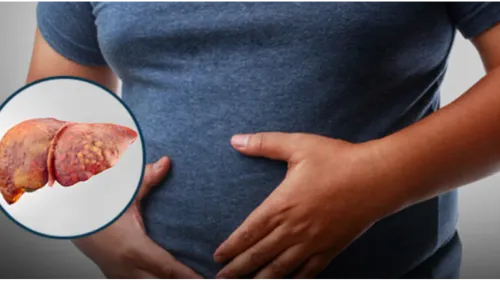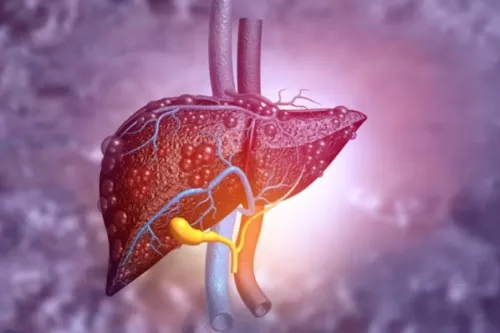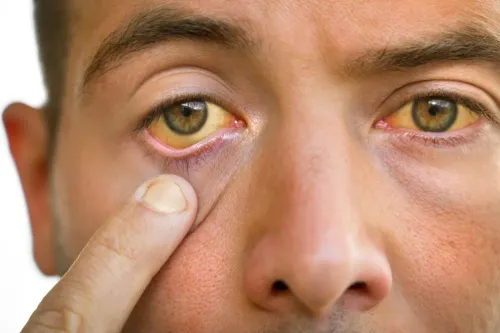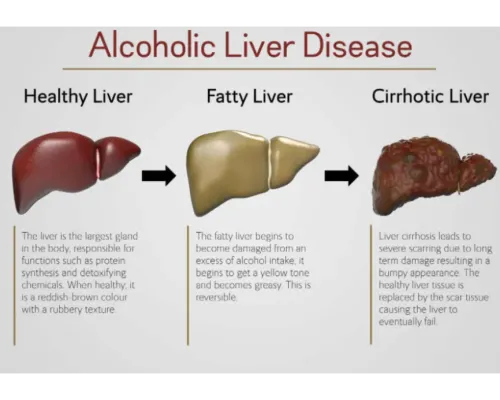
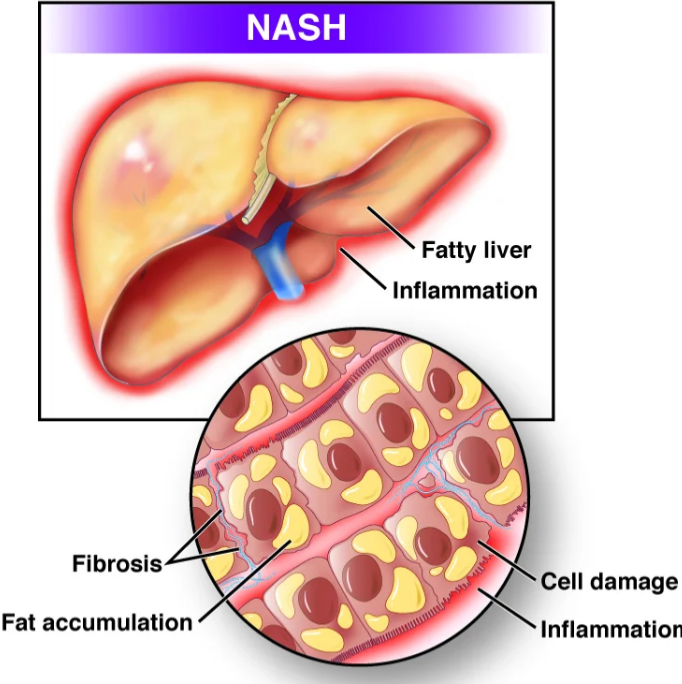
Fat accumulation in the liver does not affect every patient in the same way. In some people, excess liver fat is accompanied by inflammation plus liver cell injury. This more concerning stage has traditionally been called non-alcoholic steatohepatitis, commonly abbreviated as NASH.
Assessment by a Non Alcoholic Steatohepatitis Treatment Specialist in PCMC can help establish whether a patient has uncomplicated fatty liver, significant fibrosis, more advanced liver disease.
What makes steatohepatitis different?
Simple fatty liver primarily involves excess fat within liver cells.
Steatohepatitis involves additional liver cell injury plus inflammation. Over time, repeated injury can stimulate fibrosis.
Fibrosis can progress through increasing stages. Advanced scarring can eventually result in cirrhosis, which can increase the risk of portal hypertension, liver failure, liver cancer.
Progression is not inevitable. The purpose of early assessment is to identify patients who carry a higher risk.
Who is more likely to develop progressive disease?
Important risk factors include
- Type 2 diabetes
- Obesity
- Abdominal fat accumulation
- High triglycerides
- High blood pressure
- Metabolic syndrome
- Increasing age
- Existing liver fibrosis
A person can still develop clinically significant disease without looking severely overweight. Metabolic health matters more than appearance alone.
Why normal symptoms can be misleading
Steatohepatitis can progress without obvious warning signs.
Some patients experience fatigue plus mild upper abdominal discomfort. Many experience nothing unusual.
For this reason, absence of symptoms does not reliably indicate absence of fibrosis.
How is severity assessed?
Evaluation begins with medical history plus laboratory testing.
Doctors may use
- Liver enzyme tests
- Platelet count
- Metabolic blood tests
- Ultrasound
- Non-invasive fibrosis scores
- FibroScan
- MRI-based assessment in selected cases
Liver biopsy can provide detailed information about inflammation plus fibrosis, but it is generally reserved for situations where it is clinically useful.
Management requires more than a temporary diet
The underlying metabolic drivers need sustained attention.
A structured plan may include
- Clinically appropriate weight reduction
- Regular aerobic activity
- Resistance exercise
- Diabetes management
- Blood pressure control
- Lipid management
- Dietary modification
- Avoidance of unnecessary liver-toxic substances
Treatment should be personalised because patients may have very different metabolic profiles plus fibrosis stages.
Why fibrosis assessment changes follow-up
Fibrosis is one of the most important factors when estimating long-term liver risk.
A patient without significant fibrosis may mainly require metabolic management plus periodic reassessment. Someone with advanced fibrosis needs closer specialist follow-up for complications associated with chronic liver disease.
This distinction explains why repeating only an ultrasound is not always enough.
When specialist evaluation becomes particularly useful
Patients should consider specialist assessment when fatty liver occurs together with diabetes, persistent liver enzyme abnormalities, significant obesity, suspected fibrosis.
Dr Amol Jadhav's Comprehensive Liver Care Center evaluates fatty liver-related disorders for patients in PCMC, with attention to liver damage plus associated metabolic risk factors.
Steatohepatitis is best approached as a long-term liver plus metabolic health condition. Identifying fibrosis early gives patients an opportunity to address modifiable risks before advanced liver disease develops.
Keywords