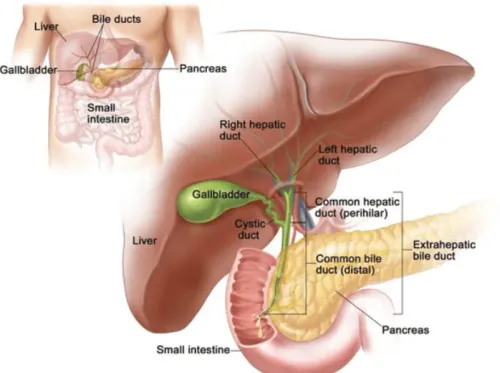
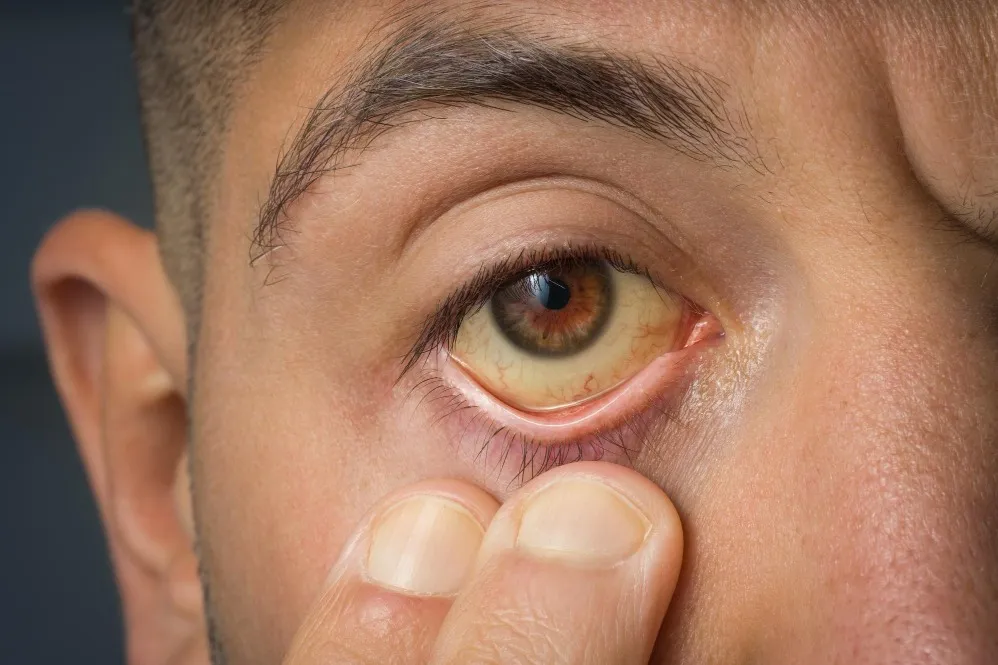
Yellowing of the eyes or skin is often the first sign that prompts people to seek medical attention. While many associate jaundice with a temporary illness, it is actually a symptom rather than a disease itself. It indicates that bilirubin, a yellow pigment produced during the normal breakdown of red blood cells, has built up in the body. Identifying the underlying cause is essential because jaundice can result from conditions affecting the liver, gallbladder, bile ducts, pancreas, or blood.
Consulting a Jaundice Treatment Specialist in PCMC can help determine whether jaundice is caused by a mild, treatable condition or a more serious liver or biliary disorder that requires prompt intervention.
What Causes Jaundice?
Jaundice develops when the liver is unable to process bilirubin properly or when the normal flow of bile is blocked. Several medical conditions can interfere with this process.
Common causes include:
- Viral hepatitis
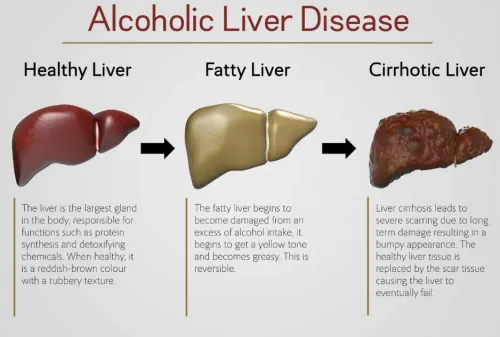
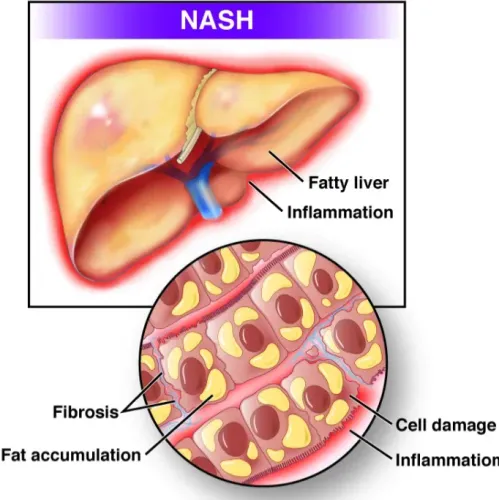
- Fatty liver disease
- Alcohol-related liver damage
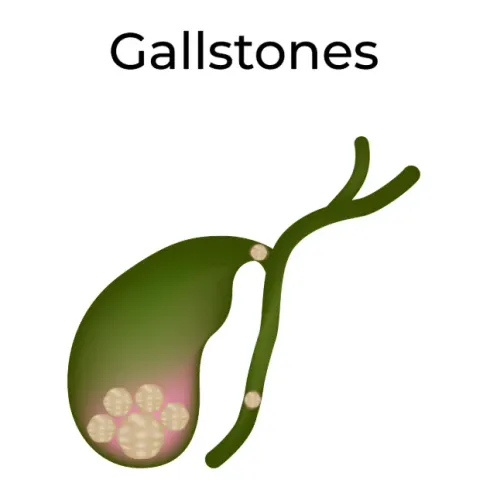
- Gallbladder stones blocking the bile duct
- Bile duct infections
- Liver cirrhosis
- Liver cancer
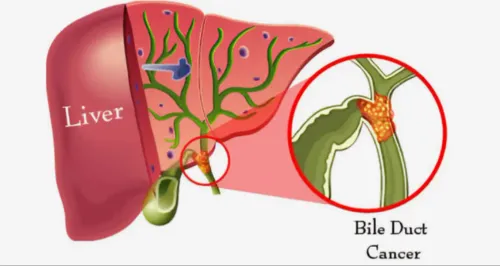
- Bile duct cancer
- Certain blood disorders that increase red blood cell breakdown
- Medication-related liver injury
Because treatment depends entirely on the underlying cause, self-medication or delaying medical evaluation can lead to complications.
Symptoms That May Accompany Jaundice
Jaundice is often more noticeable in the whites of the eyes before it becomes visible on the skin. Depending on the cause, patients may also experience:
- Dark yellow or brown urine
- Pale or clay-coloured stools
- Persistent itching
- Fever and chills
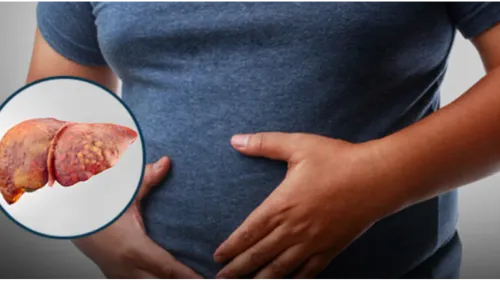
- Pain in the upper right side of the abdomen
- Nausea or vomiting
- Loss of appetite
- Fatigue
- Unexplained weight loss
Some people develop jaundice gradually, while others notice it within a few days. Regardless of how it appears, it should always be evaluated by a healthcare professional.
Is Every Case of Jaundice Serious?
Not necessarily. Some cases resolve once the underlying illness is treated, while others may indicate advanced liver disease or blockage of the bile ducts.
For example:
- Viral hepatitis may improve with supportive care and monitoring.
- Gallstones can obstruct bile flow and may require endoscopic or surgical treatment.
- Liver cirrhosis requires long-term management to reduce complications.
- Tumours involving the liver or bile ducts require specialised evaluation and treatment planning.
Because the symptoms may appear similar, accurate diagnosis is essential.
How Doctors Diagnose the Cause
A specialist begins with a detailed medical history and physical examination, followed by investigations that help identify the exact reason for jaundice.
Common diagnostic tests include:
- Liver function tests
- Complete blood count
- Viral hepatitis screening
- Ultrasound of the abdomen
- CT scan or MRI when indicated
- MRCP for bile duct evaluation
- Endoscopic procedures in selected cases
- Liver biopsy when additional information is required
These investigations allow doctors to assess liver function, detect bile duct obstruction, and identify inflammation, infection, or tumours.
Treatment Depends on the Underlying Condition
There is no single treatment for jaundice because it is a symptom of another medical problem. Once the diagnosis is confirmed, treatment is tailored accordingly.
Management may include:
- Medicines to treat viral or autoimmune liver disease
- Intravenous fluids and supportive care
- Endoscopic removal of bile duct stones
- Surgery for gallbladder or bile duct disorders
- Treatment for liver cirrhosis and its complications
- Cancer treatment when a tumour is detected
- Lifestyle changes for fatty liver disease
- Monitoring and follow-up for recovery of liver function
Early treatment often prevents complications and improves long-term outcomes.
When Should You Seek Immediate Medical Attention?
Certain symptoms require urgent evaluation along with jaundice.
These include:
- High fever with chills
- Severe abdominal pain
- Persistent vomiting
- Confusion or unusual drowsiness
- Bleeding from the nose or gums
- Vomiting blood
- Black stools
- Rapid swelling of the abdomen
These signs may indicate acute liver injury, bile duct infection, or liver failure and should not be ignored.
Can Jaundice Be Prevented?
Although not every cause is preventable, healthy habits can reduce the risk of many liver conditions.
Helpful preventive measures include:
- Get vaccinated against hepatitis where recommended.
- Avoid excessive alcohol consumption.
- Maintain a healthy weight to reduce the risk of fatty liver disease.
- Follow safe food and water practices while travelling.
- Avoid taking medications or herbal supplements without medical advice.
- Seek treatment early for gallstones and chronic liver diseases.
Regular health check-ups are especially valuable for individuals with diabetes, obesity, chronic hepatitis, or a family history of liver disease.
The Importance of Early Specialist Care
Jaundice should never be viewed as a condition to manage at home without medical advice. Whether it develops suddenly or gradually, identifying the cause early allows appropriate treatment before complications arise.
For patients in PCMC and surrounding areas of Maharashtra, timely evaluation by a liver and hepatobiliary specialist can help diagnose complex liver, gallbladder, and bile duct disorders accurately. Dr Amol Jadhav's Comprehensive Liver Care Center offers comprehensive assessment for patients with jaundice, combining advanced diagnostic investigations with evidence-based treatment planning for a wide range of liver and hepatobiliary conditions.
Keywords