When someone is diagnosed with advanced liver disease, a liver transplant may become the most effective treatment option. However, many families worry about the long waiting period for a deceased donor organ. This is where a Living Donor Liver Transplant offers hope. It allows a healthy individual to donate a portion of their liver to a patient in need, helping reduce waiting time and improving the chances of timely treatment.
For patients and families in PCMC and nearby areas of Maharashtra, understanding how this procedure works can make it easier to make informed decisions during a stressful time.
What Is a Living Donor Liver Transplant?
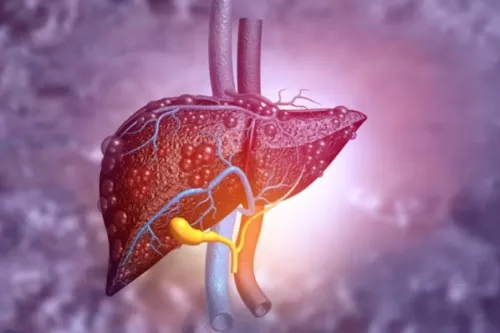
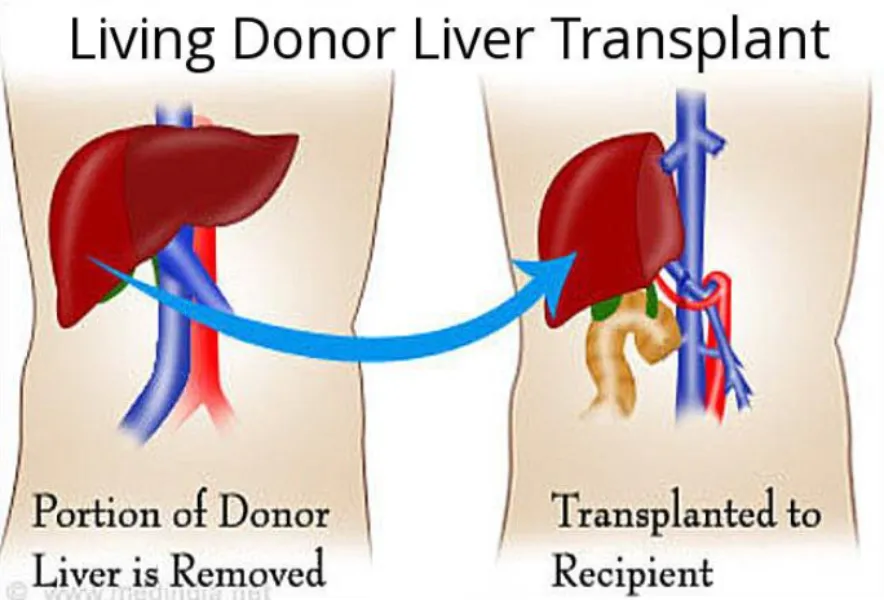
A Living Donor Liver Transplant is a surgical procedure in which a healthy person donates a part of their liver to someone with severe liver disease or liver failure. One of the unique features of the liver is its ability to regenerate. After surgery, both the donor's remaining liver and the transplanted portion can grow back to nearly normal size over time.
This treatment is considered for patients whose liver is no longer functioning adequately due to chronic disease or sudden liver failure.
Why Is a Living Donor Transplant Considered?
Many patients require a transplant before their condition worsens significantly. Unfortunately, the demand for deceased donor organs often exceeds availability.
A living donor transplant offers several advantages:
- Reduced waiting time for surgery
- Better chance of receiving treatment before complications develop
- Ability to schedule surgery in a planned manner
- Improved outcomes when performed at the appropriate stage of liver disease
- Shorter preservation time for the donated liver, which may benefit recovery
For suitable patients, these advantages can play an important role in long-term health.
Who May Need a Liver Transplant?
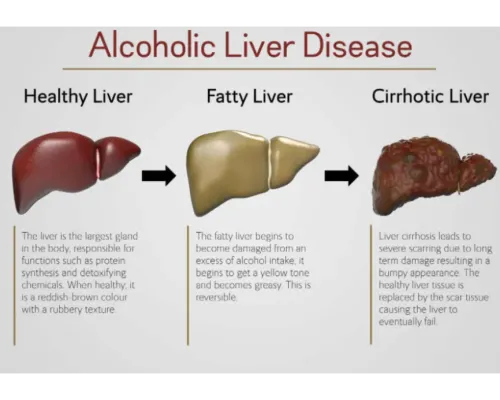
A liver transplant may be recommended for people with conditions such as:
- Advanced cirrhosis
- Chronic liver failure
- Certain inherited liver disorders
- Acute liver failure
- Selected cases of liver cancer
- End-stage liver disease caused by hepatitis or other chronic conditions
Not every patient with liver disease requires a transplant. A detailed medical evaluation helps determine whether surgery is the most appropriate treatment.
Who Can Become a Living Liver Donor?
Potential donors undergo extensive medical and psychological assessments to ensure donation is safe for both the donor and the recipient.
In general, a donor should:
- Be in good physical and mental health
- Have a compatible blood group
- Have healthy liver function
- Be free from significant medical conditions that increase surgical risk
- Understand the procedure and provide informed consent
Close relatives often become donors, although eligibility depends on medical evaluation rather than relationship alone.
How Is Donor Safety Prioritized?
One of the most common concerns families have is whether liver donation is safe.
Modern transplant programs follow strict protocols to protect donor health. Before surgery, specialists evaluate:
- Overall fitness
- Liver anatomy
- Liver volume
- Heart and lung function
- Psychological readiness
Only individuals who meet established medical criteria proceed with donation. Donor safety remains the highest priority throughout the process.
What Happens During the Procedure?
The transplant involves two carefully coordinated surgeries.
One surgical team removes the healthy portion of the donor's liver, while another prepares the recipient for transplantation. The donated liver segment is then implanted into the recipient after the diseased liver is removed.
Following surgery, both patients are closely monitored in specialised intensive care units before moving to regular hospital care.
Recovery After Surgery
Recovery differs between donors and recipients.
Most donors gradually return to daily activities over several weeks, although complete recovery varies from person to person.
Recipients require:
- Regular follow-up visits
- Lifelong medications to prevent organ rejection
- Routine blood tests
- Nutritional guidance
- Monitoring for possible complications
Following medical advice closely helps support long-term transplant success.
When Should You Discuss a Liver Transplant?
Many patients wait until liver disease becomes severe before seeking specialist advice. Early evaluation can provide more treatment options and help avoid emergency situations.
You should consider consulting a liver specialist if you notice:
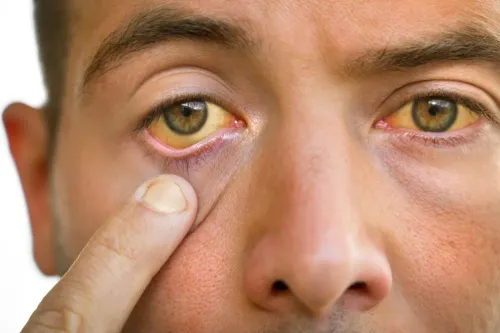
- Persistent jaundice
- Recurrent abdominal swelling
- Frequent confusion or drowsiness
- Vomiting blood
- Significant weight loss
- Repeated hospital admissions due to liver disease
Early assessment does not always mean immediate transplantation, but it helps doctors monitor disease progression and plan treatment appropriately.
Questions Patients Often Ask
Can the liver grow back after donation?
Yes. The liver has a remarkable ability to regenerate, and both donor and recipient liver tissue usually increases in size during recovery.
Is liver donation risky?
Every major surgery carries some risk. However, comprehensive screening and experienced surgical teams are essential measures to minimise these risks.
How long does recovery take?
Recovery varies depending on individual health, the type of surgery performed, and post-operative progress. Doctors provide personalised guidance throughout the recovery period.
Can anyone donate?
No. Only individuals who meet strict medical, anatomical, and psychological criteria are considered suitable donors.
Choosing the Right Team Matters
Living donor liver transplantation requires close collaboration between hepatologists, transplant surgeons, anaesthetists, radiologists, critical care specialists, and rehabilitation professionals. Experience, careful patient selection, and comprehensive follow-up all contribute to successful outcomes.
For patients in PCMC and surrounding parts of Maharashtra, seeking evaluation at a centre with expertise in liver transplantation and hepatobiliary care can help ensure that every stage from diagnosis and donor assessment to surgery and long-term recovery is managed systematically. At Dr Amol Jadhav's Comprehensive Liver Care Center, patients receive multidisciplinary evaluation for complex liver conditions, including transplant assessment, allowing individuals and families to understand all available treatment options before making informed healthcare decisions.
Keywords