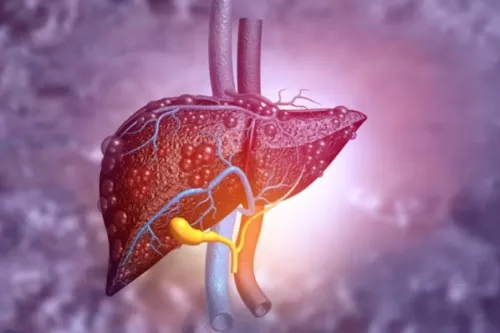
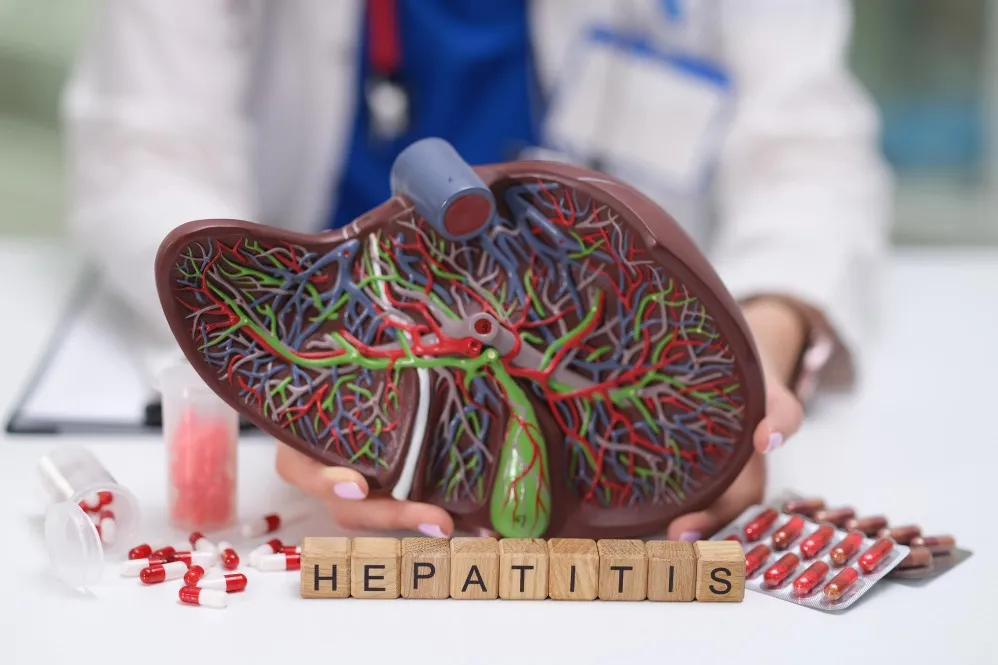
Acute hepatitis refers to sudden inflammation of the liver that develops over a short period. Although some cases resolve completely with proper medical care, others may become severe if diagnosis and treatment are delayed. Because the liver performs hundreds of essential functions, including detoxification, digestion, and nutrient storage, inflammation can quickly affect overall health.
Consulting an Acute Hepatitis Treatment Specialist in PCMC is important whenever symptoms suggest liver inflammation, especially if jaundice, severe weakness, or abnormal liver function tests are present.
What Is Acute Hepatitis?
Acute hepatitis is a condition in which liver cells become inflamed due to infection, medications, toxins, autoimmune disorders, or other medical conditions.
Unlike chronic hepatitis, which develops over months or years, acute hepatitis usually appears suddenly and requires timely evaluation to identify the exact cause.
Common Causes of Acute Hepatitis
Several factors may trigger liver inflammation.
These include:
- Hepatitis A virus
- Hepatitis B virus
- Hepatitis E virus
- Certain prescription medicines
- Herbal supplements
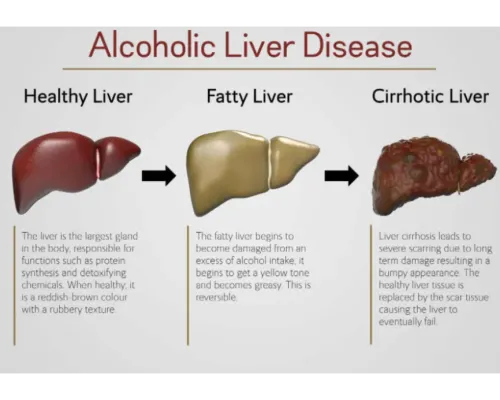
- Excessive alcohol consumption
- Autoimmune liver disease
- Chemical exposure
- Drug-induced liver injury
Determining the exact cause helps doctors select the most appropriate treatment strategy.
Early Symptoms Often Resemble Common Illnesses
The initial symptoms of acute hepatitis can easily be mistaken for viral fever or seasonal infections.
Patients may experience:
- Fatigue
- Loss of appetite
- Fever
- Nausea
- Vomiting
- Body aches
- Mild abdominal discomfort
As liver inflammation progresses, more specific symptoms may develop.
Signs That Require Immediate Medical Attention
Certain symptoms indicate that liver function may be significantly affected.
These include:
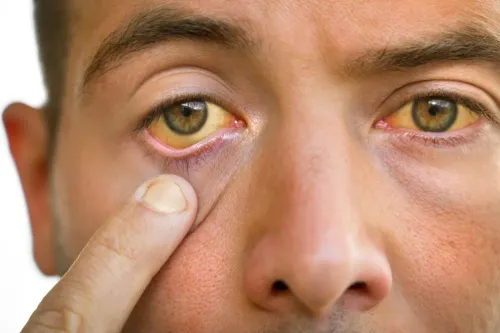
- Yellowing of the eyes and skin
- Dark-coloured urine
- Pale stools
- Severe abdominal pain
- Persistent vomiting
- Confusion or excessive sleepiness
- Easy bruising or bleeding
These warning signs should never be ignored because they may indicate worsening liver function or complications.
How Doctors Diagnose Acute Hepatitis
Diagnosis involves combining clinical examination with laboratory investigations.
A specialist may recommend:
- Liver function tests
- Viral hepatitis profile
- Blood clotting studies
- Ultrasound examination
- Autoimmune markers
- Additional imaging if required
These investigations help identify both the severity and underlying cause of liver inflammation.
Treatment Depends on the Underlying Cause
Acute hepatitis is not treated with a single medication.
Management varies according to the diagnosis and may include:
- Supportive care
- Adequate hydration
- Nutritional support
- Antiviral medications in selected cases
- Discontinuation of harmful medicines
- Close monitoring of liver function
- Hospital admission for severe illness
Patients should avoid self-medicating because some commonly used painkillers and herbal products may further damage the liver.
Protecting the Liver During Recovery
Recovery often depends on allowing the liver adequate time to heal.
Doctors usually advise patients to:
- Eat light, balanced meals
- Avoid alcohol completely
- Take medicines only as prescribed
- Attend follow-up appointments
- Drink sufficient fluids
- Get adequate rest
- Monitor liver function regularly
Returning to normal activities too quickly without medical advice may delay recovery.
Can Acute Hepatitis Be Prevented?
Many cases can be prevented through practical health measures.
Preventive steps include:
- Vaccination against Hepatitis A and B
- Safe drinking water
- Good personal hygiene
- Safe food practices
- Responsible medication use
- Limiting alcohol intake
- Regular medical check-ups for individuals with liver risk factors
Preventive care is particularly important in regions where viral hepatitis remains relatively common.
Importance of Specialist Liver Care
Because acute hepatitis has many possible causes, accurate diagnosis is essential before beginning treatment. What appears to be a routine viral infection may sometimes represent significant liver disease requiring close observation.
Dr Amol Jadhav's Comprehensive Liver Care Center offers comprehensive evaluation for patients experiencing liver-related symptoms, helping identify the cause of hepatitis through detailed assessment and appropriate investigations. Patients from PCMC and surrounding communities benefit from timely diagnosis, personalised treatment planning, and continued follow-up to support safe recovery and protect long-term liver health.
Prompt medical attention not only improves recovery but also reduces the risk of complications, allowing the liver to regain its normal function as efficiently as possible.
Keywords