
Acute hepatitis is a condition in which the liver becomes inflamed over a short period. While some cases resolve completely with appropriate medical care, others can progress rapidly and lead to serious complications if left untreated. Because the liver performs hundreds of essential functions including removing toxins, producing proteins, and supporting digestion even temporary inflammation can affect overall health. Consulting an Acute Hepatitis Treatment Specialist in PCMC at the earliest signs of illness can help ensure timely diagnosis and appropriate management.
Many people initially mistake acute hepatitis for a viral fever or stomach infection because early symptoms are often nonspecific. Recognising the warning signs and understanding when medical evaluation is necessary can make a significant difference in recovery.
What Is Acute Hepatitis?
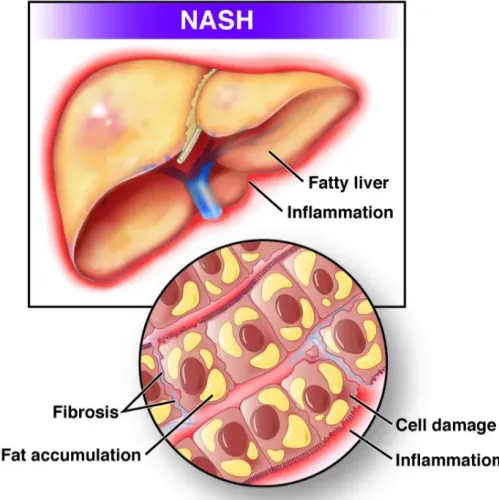
Acute hepatitis refers to sudden inflammation of the liver that develops over days or weeks. The condition may be caused by viral infections, medications, toxins, autoimmune disorders, or other medical conditions affecting liver function.
Unlike chronic hepatitis, which develops gradually over months or years, acute hepatitis appears suddenly and often causes noticeable symptoms. In many patients, the liver recovers completely after treatment, while others may require close monitoring or hospital care depending on the severity.
Common Causes of Acute Hepatitis
Several conditions can trigger inflammation of the liver.
The most common causes include:
- Hepatitis A, B, and E viral infections
- Drug-induced liver injury
- Excessive alcohol consumption
- Autoimmune hepatitis
- Certain herbal or nutritional supplements
- Exposure to toxins or harmful chemicals
- Metabolic disorders affecting the liver
Identifying the exact cause is essential because treatment varies depending on the underlying condition.
Early Symptoms You Should Not Ignore
The symptoms of acute hepatitis often resemble those of common viral illnesses during the initial stage.
Patients may experience:
- Persistent fatigue
- Fever
- Loss of appetite
- Nausea and vomiting
- Pain or discomfort in the upper right abdomen
- Muscle and joint aches
- Dark-coloured urine
- Pale stools
- Yellowing of the eyes and skin (jaundice)
- Itching
Some individuals develop only mild symptoms, while others experience rapid deterioration in liver function.
Who Is at Higher Risk?
Anyone can develop acute hepatitis, but certain factors increase the likelihood.
Risk factors include:
- Consuming contaminated food or water
- Travelling to areas where viral hepatitis is common
- Sharing needles
- Unprotected sexual contact in certain situations
- Long-term alcohol use
- Use of medicines without medical supervision
- Existing chronic liver disease
- Occupational exposure to infected blood
Practising good hygiene and seeking appropriate vaccinations can reduce the risk of some forms of viral hepatitis.
How Is Acute Hepatitis Diagnosed?
A liver specialist performs a detailed evaluation to determine both the cause and severity of liver inflammation.
Investigations may include:
- Liver function tests
- Complete blood count
- Viral hepatitis profile
- Coagulation profile
- Ultrasound of the abdomen
- CT scan or MRI when indicated
- Autoimmune markers in selected patients
- Additional specialised blood tests based on clinical findings
These investigations help assess liver function, identify complications, and guide treatment decisions.
Treatment Depends on the Underlying Cause
There is no single treatment suitable for every case of acute hepatitis. Management is tailored according to the diagnosis and the patient's overall condition.
Treatment may involve:
- Adequate hydration
- Nutritional support
- Rest and close monitoring
- Medicines for specific viral infections when appropriate
- Discontinuation of medications causing liver injury
- Treatment for autoimmune hepatitis
- Hospital admission for patients with severe disease
Patients should never start or stop medications without consulting a healthcare professional, especially if liver disease is suspected.
Can Acute Hepatitis Be Prevented?
Many causes of acute hepatitis are preventable through healthy lifestyle choices and public health measures.
Prevention includes:
- Receiving recommended hepatitis vaccinations
- Drinking safe, clean water
- Maintaining good hand hygiene
- Avoiding excessive alcohol consumption
- Taking medicines only as prescribed
- Avoiding unnecessary herbal supplements without medical advice
- Practising safe infection-control measures
Regular health check-ups can also help detect liver problems before complications develop.
When Should You Seek Emergency Care?
Certain symptoms may indicate severe liver injury and require immediate medical attention.
Visit a hospital promptly if you experience:
- Increasing confusion or drowsiness
- Persistent vomiting
- Severe abdominal pain
- Bleeding from the nose or gums
- Difficulty staying awake
- Rapid worsening of jaundice
- Swelling of the abdomen
- Reduced urine output
These signs may indicate significant liver dysfunction and should not be ignored.
Frequently Asked Questions
Is acute hepatitis contagious?
Some viral forms, such as hepatitis A and hepatitis E, can spread through contaminated food or water, while hepatitis B spreads through infected blood and certain body fluids. Other causes, such as medication-related hepatitis, are not contagious.
Does every patient need hospital admission?
No. Mild cases may be managed with regular monitoring, while severe cases require hospital-based treatment and close observation.
Can acute hepatitis become chronic?
Certain viral infections, particularly hepatitis B, may become chronic in some individuals, making follow-up care important even after initial recovery.
Is complete recovery possible?
Many patients recover fully when the underlying cause is identified early and managed appropriately. Timely medical evaluation significantly improves outcomes.
Early Diagnosis Supports Better Liver Health
Acute hepatitis should never be dismissed as a routine viral illness when symptoms persist or jaundice develops. Prompt medical assessment allows doctors to determine the cause, monitor liver function, and begin appropriate treatment before complications occur.
For patients in PCMC and surrounding areas of Maharashtra, Dr Amol Jadhav's Comprehensive Liver Care Center provides comprehensive evaluation for acute liver diseases, viral hepatitis, medication-related liver injury, and other hepatobiliary disorders. Through advanced diagnostics, multidisciplinary expertise, and evidence-based treatment planning, the centre helps patients receive personalized care aimed at protecting liver function and supporting long-term health.
Keywords