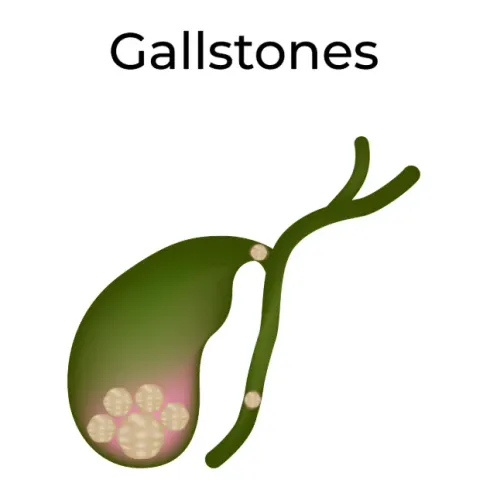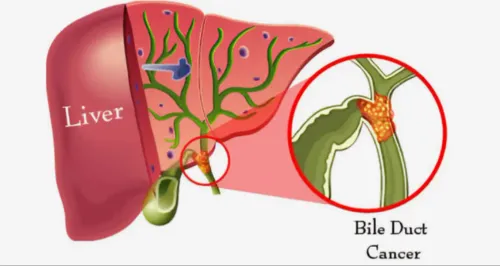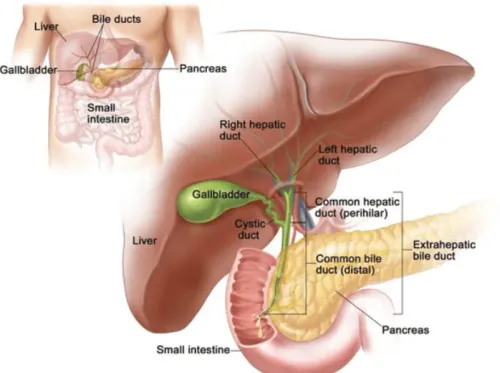
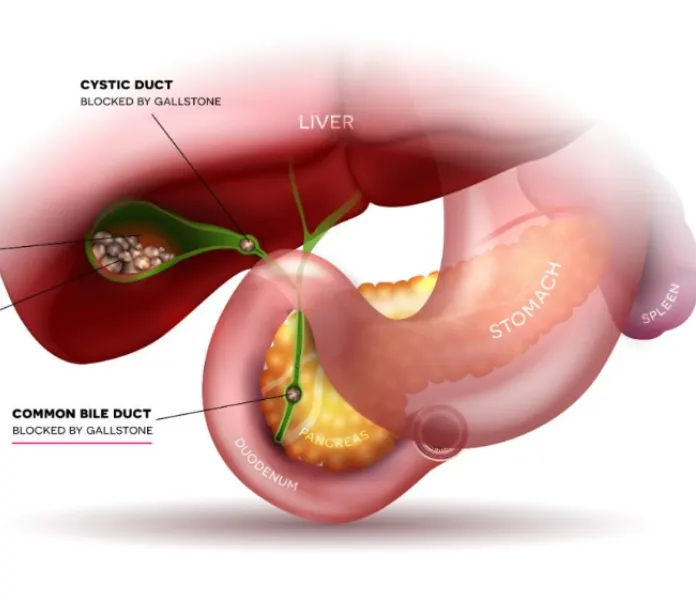
Bile duct stones are different from ordinary gallbladder stones, even though the two conditions are closely related. While gallstones remain inside the gallbladder, bile duct stones move into the ducts that carry bile from the liver and gallbladder to the intestine. This blockage can interfere with normal digestion and, if left untreated, may result in infection, jaundice, or pancreatitis.
Consulting a Bile Duct Stones Treatment Specialist in PCMC is important when symptoms suggest a blockage in the biliary system. Early diagnosis allows treatment before complications become more serious and helps restore normal bile flow safely.
What Are Bile Duct Stones?
Bile duct stones, also known as choledocholithiasis, are stones that become lodged within the common bile duct. Some originate inside the bile duct itself, while others develop in the gallbladder and later migrate into the duct.
Because the bile duct is much narrower than the gallbladder, even small stones can create a significant blockage.
Why Do Bile Duct Stones Develop?
Several factors increase the likelihood of developing bile duct stones.
These include:
- Existing gallstones
- Previous gallbladder disease
- Increasing age
- Recurrent bile duct infections
- Certain blood disorders
- Obesity
- High cholesterol levels
- Changes in bile composition
Patients who have undergone gallbladder surgery can also occasionally develop bile duct stones later in life.
Symptoms That Should Prompt Medical Evaluation
The severity of symptoms depends on whether the stone is partially or completely blocking bile flow.
Common symptoms include:
- Pain in the upper right abdomen
- Yellowing of the skin and eyes
- Dark urine
- Pale stools
- Fever with chills
- Nausea
- Vomiting
- Itching
- Loss of appetite
Some patients experience intermittent symptoms because the stone may temporarily shift before causing another blockage.
Possible Complications
Untreated bile duct stones can lead to several serious medical conditions.
Potential complications include:
- Obstructive jaundice
- Acute cholangitis (infection of the bile ducts)
- Acute pancreatitis
- Liver infection
- Persistent bile duct blockage
- Liver damage if obstruction continues for an extended period
These conditions require prompt specialist evaluation and should never be ignored.
How Are Bile Duct Stones Diagnosed?
Accurate diagnosis helps determine the location and size of the stones before treatment begins.
Investigations commonly include:
- Liver function tests
- Complete blood count
- Abdominal ultrasound
- MRCP
- CT scan when required
- Endoscopic Retrograde Cholangiopancreatography (ERCP) for diagnosis and treatment in selected cases
Each investigation provides valuable information for planning the most appropriate management.
Treatment Options
Treatment depends on the patient's symptoms, stone size, and whether complications have developed.
Management may include:
- ERCP for stone removal
- Laparoscopic gallbladder surgery if gallstones are also present
- Surgical removal of bile duct stones in complex cases
- Antibiotics when infection is present
- Supportive medical care
The treatment plan is individualised to reduce the risk of recurrence and preserve healthy liver function.
Recovery After Treatment
Most patients recover well when treatment is provided before complications develop.
Following treatment, doctors generally recommend:
- Eating a balanced diet
- Drinking enough fluids
- Following medication instructions carefully
- Attending follow-up appointments
- Reporting fever or recurrent abdominal pain immediately
- Maintaining a healthy body weight
Recovery advice may vary depending on whether endoscopic treatment or surgery has been performed.
Why Early Specialist Care Matters
Bile duct stones can resemble several other digestive disorders, making proper diagnosis essential. Temporary pain relief alone does not remove the obstruction, and delaying treatment increases the risk of infection and pancreatic inflammation.
Dr Amol Jadhav's Comprehensive Liver Care Center provides comprehensive evaluation for patients with bile duct disorders using modern imaging techniques and evidence-based treatment planning. Patients from PCMC and surrounding areas receive personalised care aimed at relieving obstruction, preventing complications, and restoring healthy biliary function.
Timely treatment of bile duct stones not only relieves symptoms but also protects the liver and pancreas from avoidable long-term damage.
Keywords