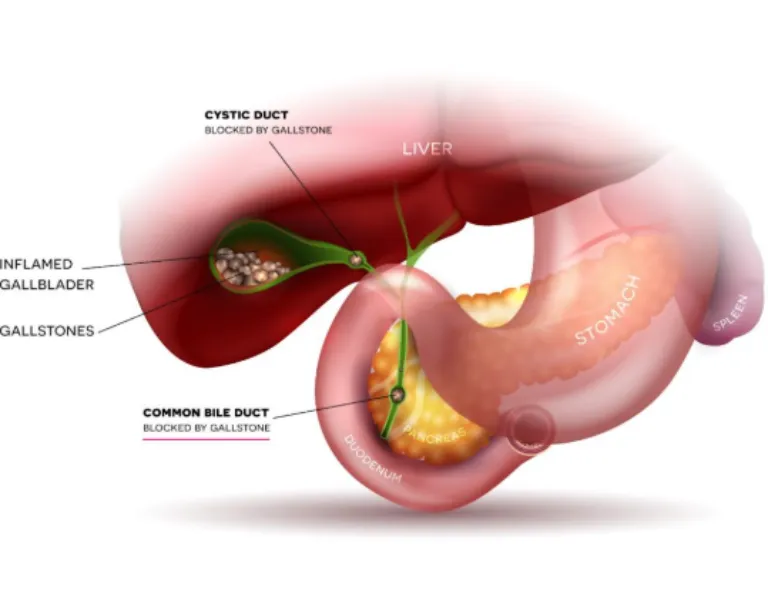
Bile duct stones are a common but potentially serious condition that can interfere with the normal flow of bile from the liver to the intestine. While they are often associated with gallstones, bile duct stones can develop independently or remain unnoticed until they cause significant complications. Consulting a Bile Duct Stones Treatment Specialist in PCMC is important when symptoms suggest a blockage, as early diagnosis and treatment can prevent infections, pancreatitis, and liver damage.
People living in PCMC and across Maharashtra frequently mistake the symptoms of bile duct stones for common digestive issues. However, persistent abdominal pain or jaundice should never be ignored, especially when accompanied by fever or vomiting.
What Are Bile Duct Stones?
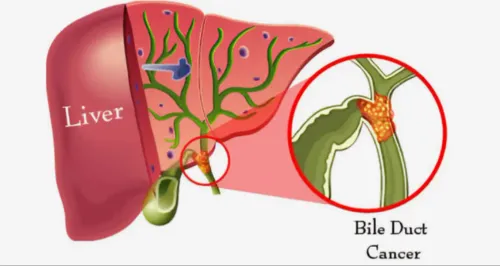
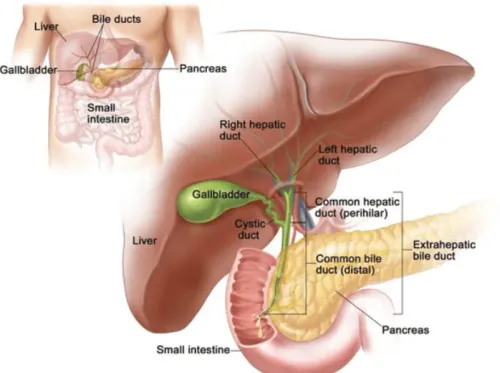
Bile ducts are small tubes that carry bile from the liver and gallbladder to the small intestine, where it helps digest fats. Bile duct stones, also known as choledocholithiasis, occur when stones become lodged within these ducts, obstructing the normal flow of bile.
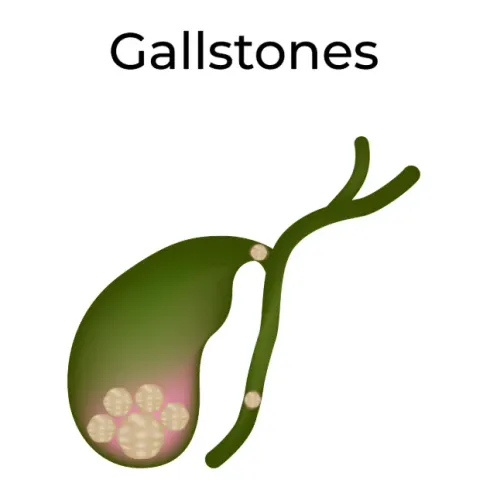
In many cases, these stones originate in the gallbladder and later migrate into the bile ducts. Less commonly, they may form directly within the bile ducts due to infections, bile stasis, or certain underlying liver conditions.
Because the bile ducts play a crucial role in digestion and liver function, any blockage can quickly lead to complications if left untreated.
Common Symptoms of Bile Duct Stones
The symptoms depend on whether the stone is partially or completely blocking the bile duct.
Common warning signs include:
- Pain in the upper right or middle part of the abdomen
- Pain that may spread to the back or right shoulder
- Yellowing of the eyes and skin (jaundice)
- Dark-coloured urine
- Pale or clay-coloured stools
- Nausea and vomiting
- Fever with chills
- Loss of appetite
Some people experience intermittent symptoms as the stone moves within the duct, while others develop sudden severe pain requiring emergency medical attention.
Why Are Bile Duct Stones More Serious Than Gallstones?
Gallstones that remain inside the gallbladder may not always cause problems. However, once a stone enters the common bile duct, it can obstruct the flow of bile and affect nearby organs.
Untreated bile duct stones may lead to:
- Acute cholangitis (infection of the bile ducts)
- Acute pancreatitis
- Persistent jaundice
- Liver damage
- Sepsis in severe cases
These complications can become life-threatening without prompt treatment, making early diagnosis especially important.
Who Is More Likely to Develop Bile Duct Stones?
Several factors increase the risk of developing bile duct stones, including:
- Existing gallstones
- Increasing age
- Previous gallbladder disease
- Chronic liver disease
- Certain infections affecting the bile ducts
- Obesity
- High cholesterol levels
- Family history of gallstone disease
Having these risk factors does not necessarily mean a person will develop bile duct stones, but they should remain aware of potential symptoms.
How Are Bile Duct Stones Diagnosed?
A liver and hepatobiliary specialist uses a combination of clinical evaluation and imaging studies to confirm the diagnosis.
Investigations commonly include:
- Blood tests
- Liver function tests
- Ultrasound examination
- MRCP (Magnetic Resonance Cholangiopancreatography)
- CT scan when required
- Endoscopic ultrasound (EUS) in selected cases
- ERCP, which can be used for both diagnosis and treatment
These tests help determine the location, size, and number of stones while assessing whether complications have already developed.
Treatment Options
The treatment approach depends on the patient's symptoms, overall health, and whether infection or obstruction is present.
ERCP
Endoscopic Retrograde Cholangiopancreatography (ERCP) is one of the most commonly used procedures to remove bile duct stones. During this minimally invasive procedure, an endoscope is passed through the mouth into the digestive tract, allowing doctors to locate and remove the stones without external incisions in many cases.
Gallbladder Surgery
If gallstones are the source of the bile duct stones, laparoscopic gallbladder removal may be recommended after ERCP to reduce the risk of future stone-related complications.
Surgical Management
In certain complex situations, particularly when stones are large, multiple, or difficult to remove endoscopically, surgery may be required to clear the bile ducts safely.
Can Bile Duct Stones Be Prevented?
Although prevention is not always possible, several healthy habits may lower the risk:
- Maintain a healthy body weight.
- Avoid rapid crash dieting.
- Eat a balanced diet rich in fibre.
- Stay physically active.
- Manage cholesterol and diabetes appropriately.
- Seek timely treatment for symptomatic gallstones.
Individuals who have previously experienced gallstone disease should continue regular follow-up if advised by their healthcare provider.
Frequently Asked Questions
Are bile duct stones the same as gallstones?
No. Gallstones form inside the gallbladder, while bile duct stones are located within the ducts carrying bile. Many bile duct stones originate from gallstones that have migrated.
Can bile duct stones disappear on their own?
Small stones may occasionally pass into the intestine naturally, but relying on this is unsafe because obstruction and infection can develop unexpectedly.
Is ERCP always necessary?
Not always. The choice of treatment depends on imaging findings, symptoms, and the patient's overall condition.
How quickly should treatment be started?
If jaundice, fever, or severe abdominal pain develops due to bile duct obstruction, treatment should not be delayed, as complications may progress rapidly.
Timely Care Can Prevent Serious Complications
Bile duct stones are highly treatable when diagnosed early, but delaying evaluation can increase the risk of infection, pancreatitis, and liver damage. Persistent abdominal pain, jaundice, or unexplained digestive symptoms deserve medical attention rather than self-treatment.
For patients in PCMC and surrounding regions of Maharashtra, Dr Amol Jadhav's Comprehensive Liver Care Center provides specialised evaluation and management of bile duct stones, gallbladder disorders, liver diseases, and other complex hepato-pancreato-biliary conditions. Using advanced diagnostic techniques and evidence-based treatment approaches, the centre helps patients receive personalized care focused on restoring digestive health and preventing future complications.
Keywords