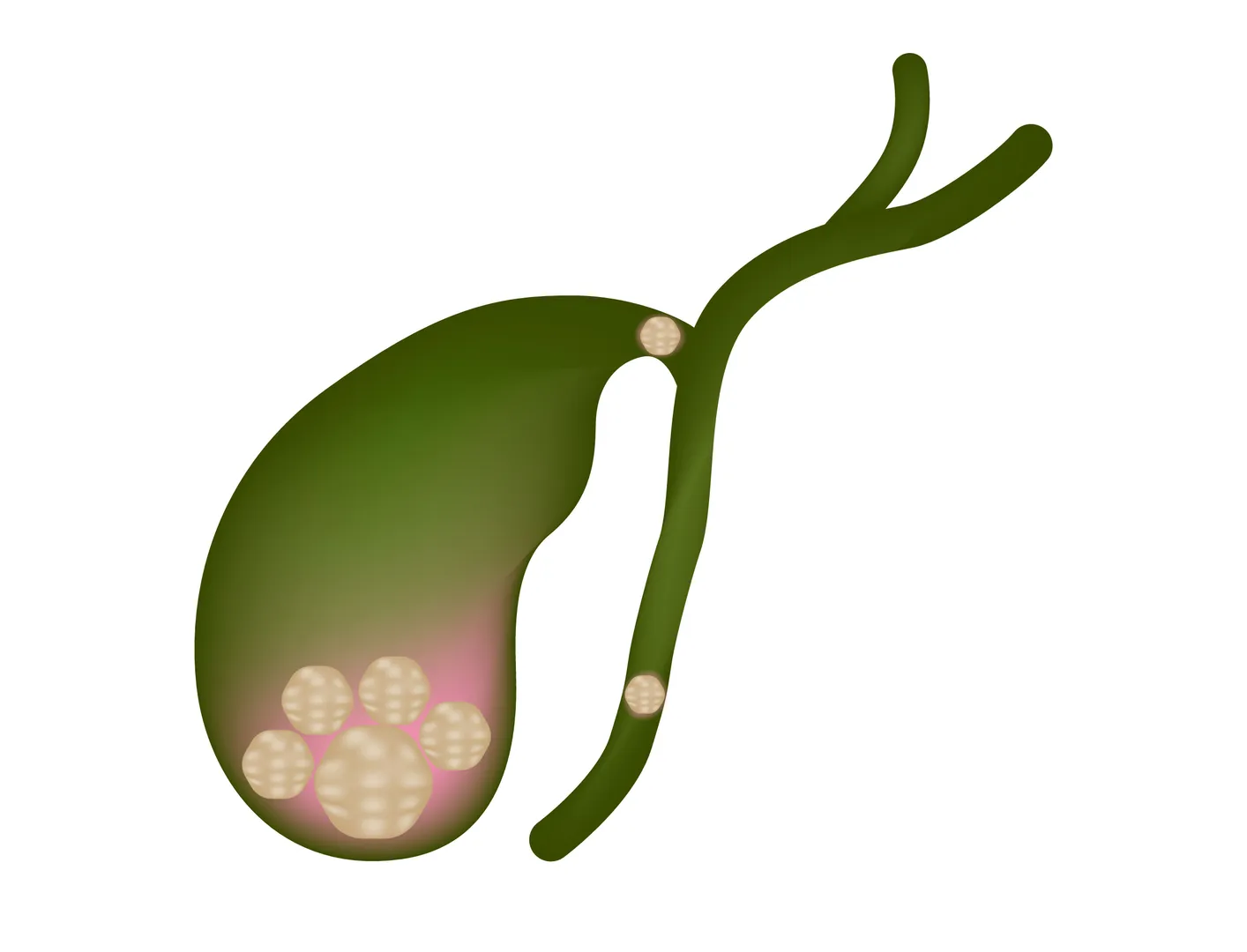
Gallstones are one of the most common digestive conditions affecting adults, yet many people are unaware they have them until symptoms appear. While some gallstones remain harmless for years, others can block the flow of bile, trigger painful attacks, or lead to serious complications involving the liver, pancreas, and bile ducts. Knowing when to consult a Gallbladder Stone Treatment Specialist in PCMC can help prevent these complications and ensure timely treatment.
For residents of PCMC and surrounding parts of Maharashtra, understanding the signs of gallbladder disease is important because early diagnosis often leads to simpler and more effective treatment options.
What Are Gallstones?
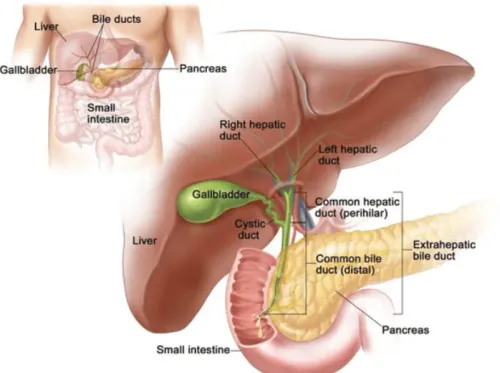
The gallbladder is a small organ located beneath the liver that stores bile, a digestive fluid that helps break down fats. Gallstones are hardened deposits that form inside the gallbladder when the components of bile become imbalanced.
Gallstones vary in size. Some are as small as grains of sand, while others can grow large enough to occupy much of the gallbladder. A person may have a single stone or multiple stones at the same time.
Many gallstones cause no symptoms and are discovered incidentally during an ultrasound performed for another reason. However, once symptoms develop, medical evaluation becomes essential.
Why Do Gallstones Form?
Several factors increase the likelihood of developing gallstones, including:
- Increasing age
- Female gender
- Obesity
- Rapid weight loss
- Diabetes
- Pregnancy
- High-fat or high-cholesterol diets
- Family history of gallstones
- Certain liver and blood disorders
Although these factors increase risk, gallstones can also develop in individuals without any obvious predisposing condition.
Symptoms That Should Not Be Ignored
Gallstones often become noticeable when they temporarily block the outlet of the gallbladder or move into the bile duct.
Common symptoms include:
- Sudden pain in the upper right side of the abdomen
- Pain after eating oily or heavy meals
- Pain that spreads to the back or right shoulder
- Nausea and vomiting
- Bloating or indigestion
- Episodes lasting from a few minutes to several hours
More serious symptoms requiring urgent medical attention include:
- Fever with chills
- Yellowing of the skin or eyes
- Dark urine
- Persistent vomiting
- Severe abdominal pain that does not improve
These symptoms may indicate infection or blockage of the bile ducts and should never be ignored.
Can Gallstones Go Away Without Treatment?
Unlike kidney stones, gallstones generally do not dissolve or pass naturally. If they are not causing symptoms, doctors may recommend observation rather than immediate surgery.
However, treatment is usually advised when gallstones lead to:
- Repeated pain attacks
- Gallbladder inflammation
- Infection
- Blockage of the bile duct
- Pancreatitis
- Jaundice
Delaying treatment after symptoms begin may increase the risk of complications.
How Are Gallstones Diagnosed?
Diagnosis usually begins with a medical history and physical examination, followed by imaging studies.
Investigations may include:
- Ultrasound of the abdomen
- Liver function tests
- Blood investigations
- MRCP to evaluate the bile ducts
- CT scan in selected situations
- Endoscopic procedures if bile duct stones are suspected
These tests help determine the number, size, and location of stones while identifying associated complications.
Treatment Options for Gallstones
The most appropriate treatment depends on symptoms, overall health, and whether complications have developed.
Common management options include:
Observation
Patients with silent gallstones that cause no symptoms may simply require regular follow-up.
Medications
In selected situations, medicines may be considered to dissolve certain cholesterol stones, although they are not suitable for everyone and often have limited effectiveness.
Laparoscopic Gallbladder Surgery
Laparoscopic cholecystectomy is the standard treatment for symptomatic gallstones. During this minimally invasive procedure, the gallbladder is removed through small incisions using specialised instruments.
Benefits often include:
- Smaller surgical wounds
- Reduced postoperative discomfort
- Shorter hospital stay
- Faster recovery
- Earlier return to daily activities
Treatment for Bile Duct Stones
If stones migrate into the common bile duct, endoscopic procedures such as ERCP may be required before or after surgery to remove the obstruction.
Frequently Asked Questions
Can I live normally without a gallbladder?
Yes. The liver continues producing bile after surgery. Most people resume normal digestion after recovery, although some may temporarily need dietary adjustments.
Will changing my diet remove gallstones?
Healthy eating may reduce symptoms and improve overall digestive health, but it does not eliminate existing gallstones.
Is every gallstone painful?
No. Many people have gallstones without experiencing any symptoms. Treatment decisions are based on symptoms, complications, and individual health.
Can gallstones return after surgery?
Once the gallbladder has been removed, gallstones cannot recur within the gallbladder. However, in rare cases, stones may form within the bile ducts later in life.
Choosing Timely Evaluation
Recurring abdominal pain should never be dismissed as simple indigestion, particularly when it occurs after meals or is associated with fever or jaundice. Early diagnosis allows doctors to treat gallstones before they lead to infections, pancreatitis, or bile duct obstruction.
For patients in PCMC seeking specialised care for gallbladder diseases, Dr Amol Jadhav's Comprehensive Liver Care Center offers evaluation and management of gallbladder stones, bile duct disorders, and complex hepatobiliary conditions. With expertise in advanced gastrointestinal and HPB surgery, the centre provides evidence-based treatment plans tailored to each patient's condition, helping individuals make informed decisions about their care while focusing on long-term digestive and liver health.
Keywords