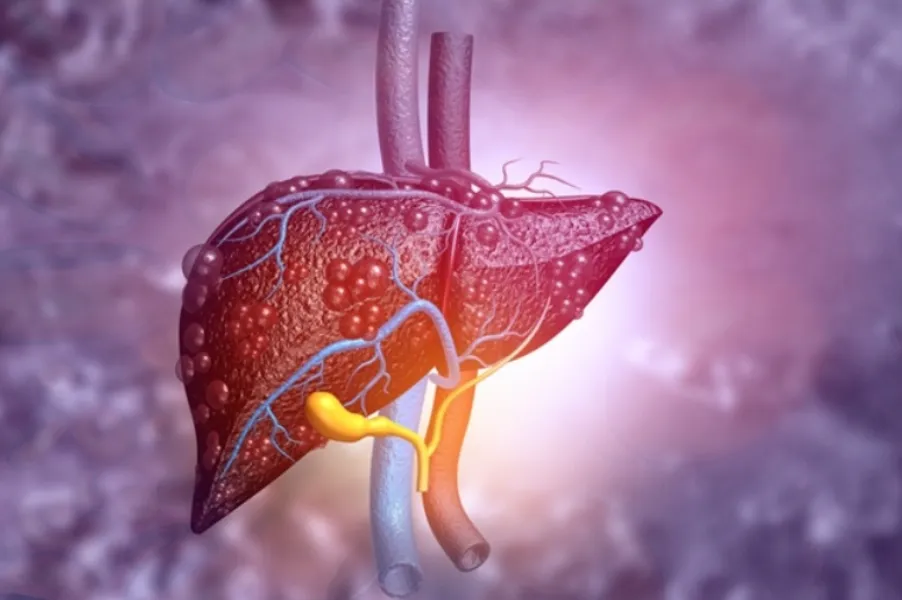
Finding a liver lesion during an ultrasound, CT scan, MRI can understandably create concern. However, a lesion in the liver does not automatically mean cancer. Several benign conditions can also produce liver nodules. The next step is careful evaluation to establish what the lesion represents.
A Liver Cancer Specialist in PCMC assesses the characteristics of the tumour together with the condition of the remaining liver. This distinction is important because liver cancer treatment depends on much more than tumour size alone.
Understanding primary liver cancer
Hepatocellular carcinoma is the most common form of primary liver cancer. It begins in liver cells rather than spreading to the liver from another organ.
Certain long-term liver conditions can increase the risk, including
- Cirrhosis
- Chronic hepatitis B
- Chronic hepatitis C
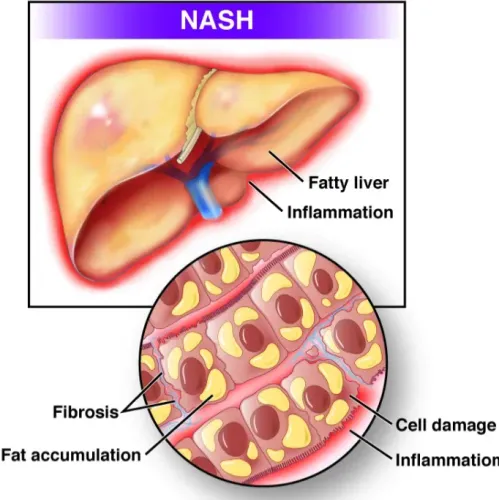
- Metabolic fatty liver disease
- Advanced steatohepatitis
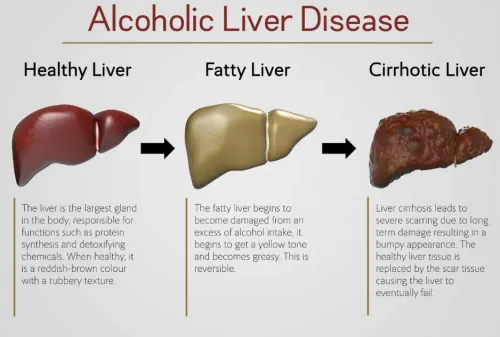
- Alcohol-related liver disease
Cancer that has spread to the liver from another organ is considered metastatic disease. Its evaluation plus treatment pathway differs from primary liver cancer.
Why liver function matters
Two patients can have similar-looking tumours yet require different treatment plans.
The specialist needs to understand
- Number of tumours
- Tumour size
- Exact location
- Relationship with major blood vessels
- Evidence of spread
- Degree of liver scarring
- Remaining liver function
- General physical fitness
This combined assessment determines which treatment approaches can be considered safely.
What tests may be required?
A liver tumour is commonly assessed using contrast-enhanced imaging.
Investigations may include
- Liver function tests
- Complete blood count
- Blood clotting profile
- AFP tumour marker
- Contrast CT
- Liver MRI
- Additional imaging for staging
A biopsy may be recommended in selected circumstances. It is not automatically required for every liver lesion.
Treatment options differ between patients
Treatment planning can involve several specialties depending on the stage of disease.
Potential approaches include
- Liver resection
- Liver transplantation in selected patients
- Ablation
- Transarterial treatments
- Systemic medicines
- Immunotherapy
- Targeted treatments
- Symptom-directed supportive care
Surgical removal may be possible when a tumour is localised plus sufficient healthy liver can be preserved. Other treatments may be more suitable when surgery is not appropriate.
Why surveillance matters for high-risk patients
Early liver cancer frequently causes no obvious symptoms.
People with cirrhosis plus selected chronic liver conditions may therefore require periodic surveillance as recommended by their treating specialist. Surveillance is intended to identify suspicious changes before symptoms develop.
Possible symptoms of more advanced disease include unexplained weight loss, persistent upper abdominal discomfort, reduced appetite, abdominal swelling, jaundice, worsening fatigue.
These symptoms are not specific to cancer, but they deserve assessment when liver disease is already present.
Preparing for a specialist consultation
Patients can make the consultation more productive by carrying previous ultrasound reports, CT/MRI images, laboratory results, biopsy reports if available, current medication details.
A useful consultation should clarify the diagnosis, stage, condition of the remaining liver, realistic treatment options, expected follow-up.
Dr Amol Jadhav's Comprehensive Liver Care Center provides specialist assessment for liver tumours within PCMC, including evaluation of liver function plus HPB surgical considerations.
A suspected liver tumour should not be treated based solely on one scan description. Accurate characterisation plus staging provide the information needed to select an appropriate treatment pathway.
Keywords