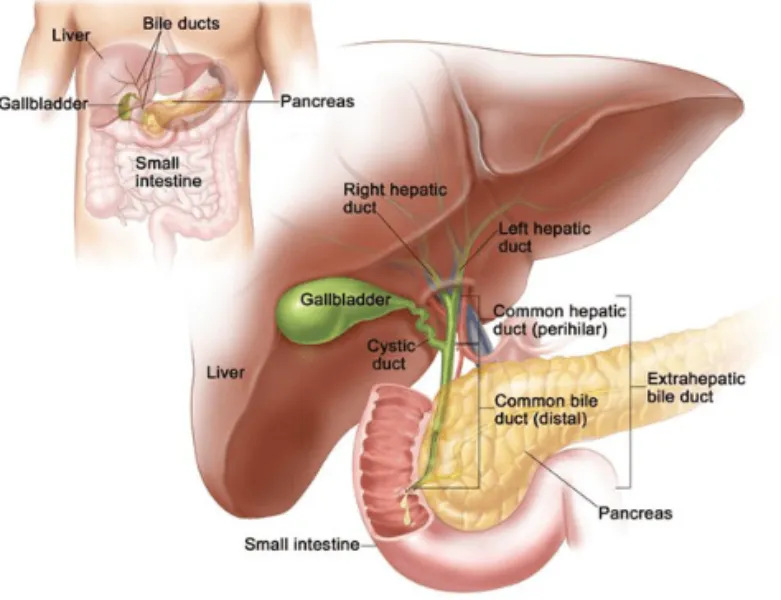
Hepato-Pancreato-Biliary (HPB) surgery is a highly specialised branch of gastrointestinal surgery that focuses on diseases affecting the liver, pancreas, gallbladder, and bile ducts. Because these organs work closely together to support digestion and metabolism, disorders affecting one can often influence the others. Consulting a Hepato-Pancreato-Biliary (HPB) Surgery Specialist in PCMC can help patients receive accurate diagnosis and appropriate treatment for conditions that may require advanced surgical care.
Many liver and biliary conditions can initially be managed with medication or minimally invasive procedures. However, when disease progresses, surgery may become the safest and most effective treatment. Understanding what HPB surgery involves can help patients and families feel more informed before meeting a specialist.
What Is HPB Surgery?
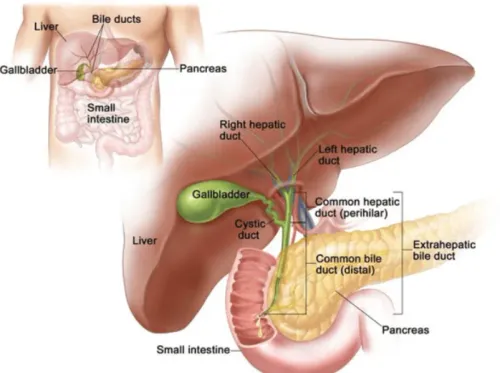
HPB surgery refers to operations performed on the liver (hepato), pancreas (pancreato), and biliary system, which includes the gallbladder and bile ducts. These procedures are often recommended for conditions that cannot be managed effectively through medication alone.
The field requires specialised expertise because these organs contain complex blood vessels and delicate anatomical structures. Careful surgical planning and multidisciplinary coordination are essential to achieve safe outcomes.
Conditions Commonly Treated by an HPB Surgeon
An HPB specialist evaluates and manages a wide range of diseases, including:
- Liver tumours
- Liver cysts
- Liver cancer
- Gallbladder cancer
- Gallbladder stones
- Bile duct stones
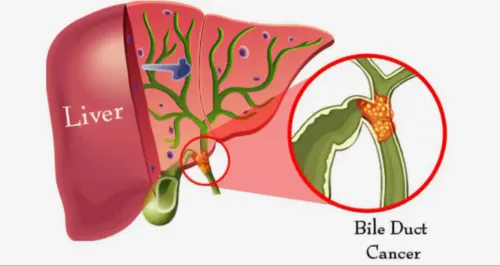
- Bile duct cancer
- Pancreatic tumours
- Chronic pancreatitis
- Benign and malignant biliary strictures
- Liver trauma
- Selected cases requiring liver transplantation
Not every patient diagnosed with these conditions requires surgery immediately. A detailed assessment helps determine the most appropriate treatment approach.
When Is Surgery Recommended?
The decision to perform HPB surgery depends on several factors, including the type of disease, its severity, overall health, and the patient's recovery potential.
Surgery may be considered when:
- A tumour requires removal.
- Gallstones repeatedly cause pain or infection.
- Bile ducts become blocked by stones or growths.
- Chronic pancreatitis causes severe symptoms.
- Liver disease reaches a stage where transplantation is being evaluated.
- Cancer can be removed surgically with the aim of improving long-term outcomes.
The goal is always to recommend surgery only when the expected benefits outweigh the potential risks.
What Happens Before Surgery?
Comprehensive preoperative evaluation is one of the most important parts of successful HPB treatment.
Patients may undergo:
- Blood investigations
- Liver function tests
- CT scan
- MRI or MRCP
- PET scan when appropriate
- Endoscopic procedures
- Cardiac and anaesthetic fitness assessment
- Nutritional evaluation
These investigations help surgeons understand the extent of disease, plan the safest surgical approach, and identify any factors that may influence recovery.
Types of HPB Procedures
The exact procedure depends on the diagnosis.
Common operations include:
Liver Surgery
This involves removing diseased portions of the liver while preserving healthy tissue whenever possible.
Gallbladder Surgery
Laparoscopic gallbladder removal is frequently performed for symptomatic gallstones and certain gallbladder disorders.
Bile Duct Surgery
Operations may be required to remove tumours, repair injuries, or restore bile flow when blockages occur.
Pancreatic Surgery
Selected pancreatic diseases may require surgery to remove diseased tissue or relieve obstruction.
Liver Transplantation
For patients with end-stage liver disease or specific liver cancers, liver transplantation may offer the best long-term treatment option after detailed evaluation.
Recovery After HPB Surgery
Recovery varies according to the complexity of the procedure and the patient's overall health.
During recovery, patients are encouraged to:
- Follow dietary recommendations carefully.
- Attend scheduled follow-up appointments.
- Take prescribed medications regularly.
- Resume physical activity gradually.
- Report fever, jaundice, increasing pain, or wound problems immediately.
Many patients benefit from nutritional counselling and physiotherapy during the recovery period.
Frequently Asked Questions
Is every liver disease treated with surgery?
No. Many liver conditions respond well to medicines, lifestyle modification, or minimally invasive procedures. Surgery is recommended only when clinically appropriate.
Are HPB surgeries always major operations?
Some procedures are complex, while others can be performed using minimally invasive laparoscopic techniques. The choice depends on the specific condition.
How long does recovery take?
Recovery differs from one patient to another. Factors such as the type of surgery, age, nutritional status, and overall health all influence healing.
Can a second opinion be helpful?
Yes. For complex liver, pancreatic, or biliary conditions, seeking a second opinion can help patients understand all available treatment options before making decisions.
Why a Multidisciplinary Approach Matters
HPB surgery often involves close collaboration between hepatologists, gastrointestinal surgeons, radiologists, oncologists, anaesthetists, pathologists, and critical care specialists. This coordinated approach helps ensure that every aspect of diagnosis, treatment, and recovery is carefully planned.
Patients in PCMC and nearby regions of Maharashtra who are diagnosed with complex liver, pancreas, gallbladder, or bile duct disorders may benefit from evaluation at a centre experienced in hepatobiliary care. Dr Amol Jadhav's Comprehensive Liver Care Center provides multidisciplinary assessment for a wide range of hepatobiliary conditions, combining advanced diagnostics with evidence-based surgical planning and long-term follow-up to support informed treatment decisions and comprehensive patient care.
Keywords