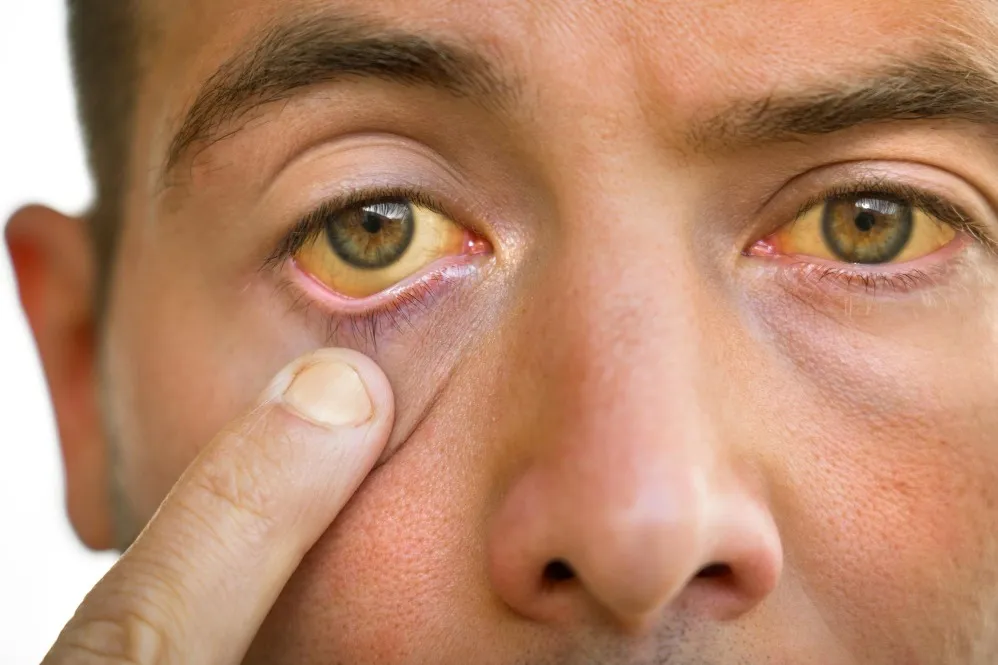
Jaundice is commonly recognised by yellowing of the eyes, skin, dark urine, pale stools, itching, reduced appetite, fatigue. It is important to understand that jaundice itself is not a single disease. It is a visible sign that bilirubin has accumulated in the bloodstream.
A Jaundice Treatment Specialist in PCMC evaluates why bilirubin has increased, how the liver is functioning, whether there is any obstruction affecting normal bile flow. Finding the underlying cause is more important than simply waiting for the yellow colour to disappear.
What can cause jaundice?
Bilirubin is produced during the normal breakdown of red blood cells. The liver processes bilirubin before it leaves the body through bile. Problems at different stages of this process can cause jaundice.
Possible causes include
- Viral hepatitis
- Liver inflammation
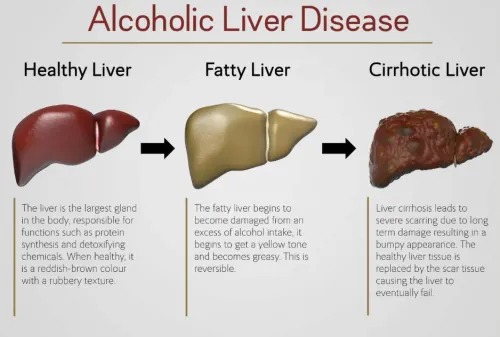
- Alcohol-related liver injury
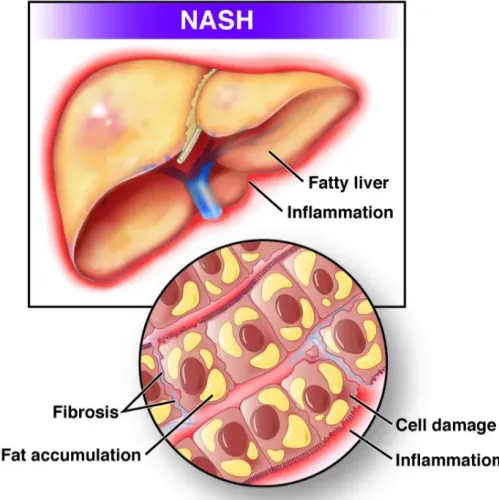
- Advanced fatty liver disease
- Cirrhosis
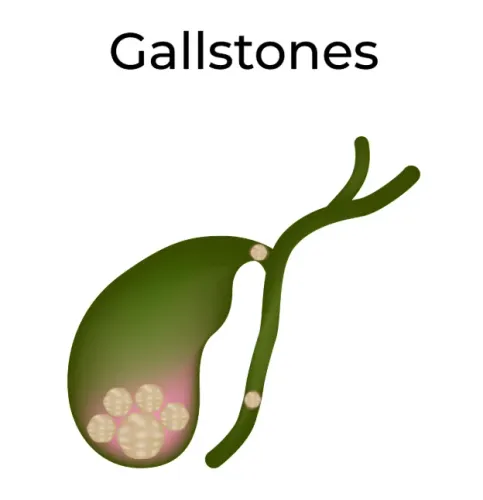
- Gallstones
- Bile duct blockage
- Pancreatic disorders
- Liver tumours
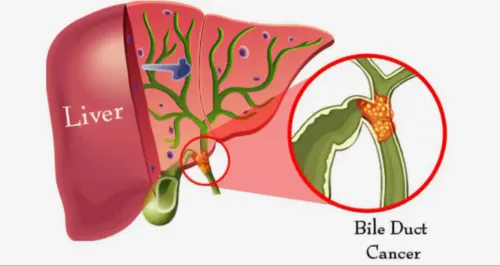
- Bile duct tumours
- Certain medicines
- Blood-related conditions
The treatment required for one cause can be completely different from the treatment needed for another. This is why self-diagnosis based on yellow eyes alone is unreliable.
Symptoms that provide important clues
Some patients initially notice only a slight yellow colour in the eyes. Others develop several symptoms within a short period.
Medical assessment is particularly important when jaundice is accompanied by
- Fever
- Upper abdominal pain
- Persistent vomiting
- Severe weakness
- Loss of appetite
- Unexplained weight loss
- Abdominal swelling
- Excessive sleepiness
- Confusion
- Bleeding tendency
Fever with jaundice can sometimes indicate infection associated with biliary obstruction. Confusion with rapidly worsening jaundice can indicate significant impairment of liver function. Such symptoms require prompt medical attention.
How is the cause investigated?
Evaluation usually starts with medical history, physical examination, blood investigations. The doctor may ask about alcohol intake, medications, previous liver disease, gallstones, hepatitis exposure, recent infections.
Common investigations include
- Bilirubin measurement
- Liver function tests
- Complete blood count
- Blood clotting tests
- Viral hepatitis tests
- Abdominal ultrasound
Depending on these findings, CT, MRI, MRCP, additional specialised investigations may be required.
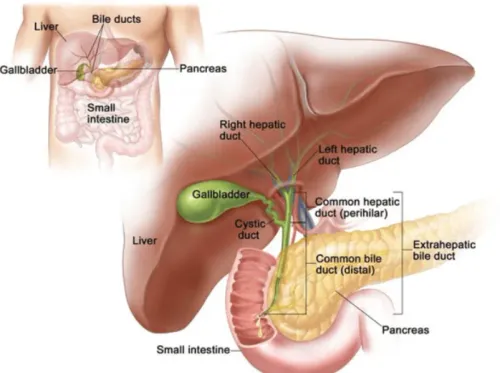
Imaging is particularly useful when doctors suspect a blockage involving the gallbladder, bile ducts, pancreas.
Treatment is based on the diagnosis
There is no universal medicine for jaundice.
Viral hepatitis may primarily require monitoring plus supportive treatment depending on the virus plus severity. A bile duct stone may require an endoscopic procedure. Significant liver injury may require hospital monitoring. A tumour causing biliary obstruction requires specialist assessment followed by disease-specific treatment.
Patients should avoid taking unverified herbal preparations, supplements, unnecessary medicines while jaundice is being investigated. Products described as natural are not automatically safe for an inflamed liver.
When should specialist assessment be considered?
People in PCMC should seek medical evaluation when yellowing of the eyes persists, bilirubin levels are abnormal, jaundice repeatedly returns, accompanying symptoms become concerning.
People already diagnosed with fatty liver, hepatitis, cirrhosis, gallstones need particular attention when new jaundice develops.
Dr Amol Jadhav's Comprehensive Liver Care Center evaluates liver, gallbladder, bile duct, pancreatic conditions in patients across PCMC. The objective of jaundice assessment is to identify the underlying disease before deciding the appropriate treatment pathway.
Jaundice should therefore be treated as a clinical warning sign rather than a diagnosis by itself. Understanding why it has developed provides the foundation for effective treatment.
Keywords