A diagnosis of liver cancer often raises many questions about treatment options, outcomes, and the next steps. While liver cancer may develop silently in its early stages, advances in imaging, surgical techniques, and multidisciplinary care have made early diagnosis more valuable than ever. Identifying the disease before it progresses can improve treatment planning and expand the available options.
Consulting a Liver Cancer Specialist in PCMC is important for individuals who have persistent liver disease, cirrhosis, chronic hepatitis, or imaging findings that require further evaluation. Specialist assessment focuses on understanding the stage of the disease, preserving liver function, and selecting the most appropriate treatment for each patient.
What Is Liver Cancer?
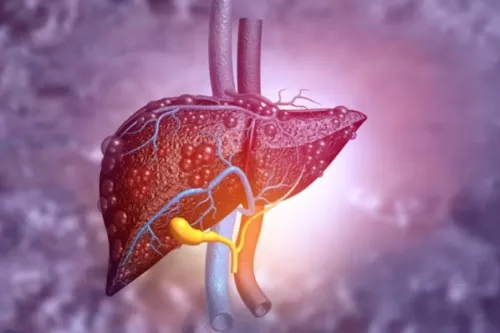
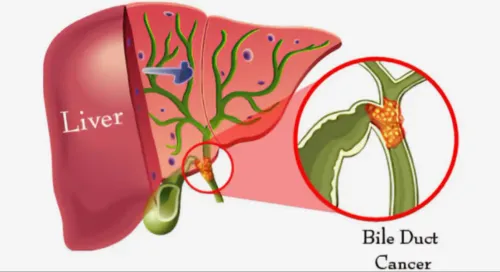
Liver cancer occurs when abnormal cells within the liver begin to grow uncontrollably. The most common type is hepatocellular carcinoma (HCC), which usually develops in people with long-standing liver disease. In some cases, cancer can also spread to the liver from other parts of the body, but this requires a different treatment approach.
Not every liver lump is cancerous. Benign liver lesions are also common, making accurate diagnosis essential before planning treatment.
Who Is at Greater Risk?
Certain individuals have a higher likelihood of developing liver cancer than others.
Risk factors include:
- Liver cirrhosis
- Chronic hepatitis B infection
- Chronic hepatitis C infection
- Non-alcoholic steatohepatitis (NASH)
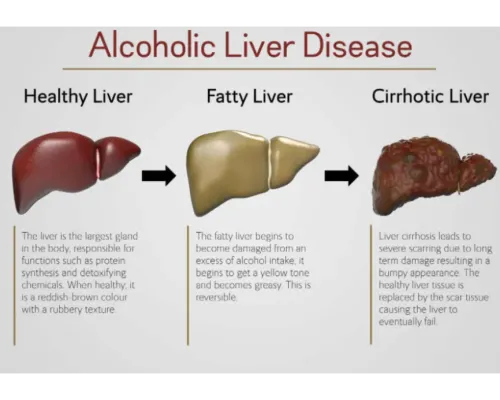
- Alcohol-related liver disease
- Long-standing fatty liver disease
- Diabetes with advanced liver disease
- Family history of liver cancer
Patients with these conditions often benefit from regular liver surveillance because early cancers may not produce symptoms.
Early Symptoms Can Be Subtle
Liver cancer may remain unnoticed until it reaches an advanced stage. Some patients experience only mild symptoms initially.
Possible warning signs include:
- Unexplained weight loss
- Persistent fatigue
- Loss of appetite
- Pain or discomfort in the upper abdomen
- Swelling of the abdomen
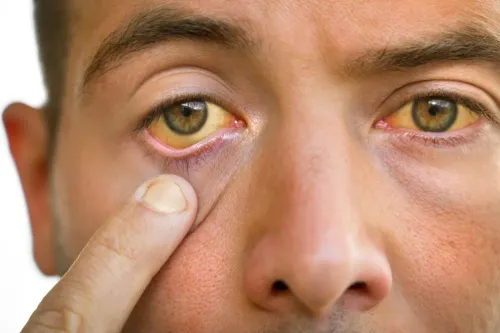
- Yellowing of the eyes or skin
- Nausea
- Feeling full after eating small meals
These symptoms are not exclusive to liver cancer, but they should always be evaluated by a specialist.
How Is Liver Cancer Diagnosed?
Diagnosis requires a combination of clinical assessment and specialised investigations.
Common diagnostic tools include:
- Liver function tests
- Alpha-fetoprotein (AFP) blood test
- Ultrasound examination
- Contrast-enhanced CT scan
- MRI of the liver
- Liver biopsy in selected situations
The objective is to determine not only whether cancer is present but also its size, location, spread, and the condition of the remaining liver tissue.
Treatment Depends on More Than the Tumour
Managing liver cancer is different from treating many other cancers because doctors must consider both the tumour and the health of the liver itself.
Treatment options may include:
- Surgical removal of the tumour
- Liver transplantation in carefully selected patients
- Local ablative therapies
- Targeted therapy
- Immunotherapy
- Transarterial chemoembolisation (TACE)
- Supportive medical management
The most suitable option depends on tumour stage, liver function, and the patient's overall health.
Why Early Detection Improves Treatment Choices
When liver cancer is diagnosed at an early stage, more curative treatment options may be available.
Regular monitoring is especially important for individuals already living with cirrhosis or chronic hepatitis. Periodic imaging and blood tests allow specialists to detect changes before symptoms become severe.
Ignoring follow-up appointments or delaying investigations can reduce the range of available treatment options.
Choosing Specialist Care
Liver cancer treatment often requires collaboration between hepatologists, HPB surgeons, radiologists, oncologists, and gastroenterologists. A coordinated approach ensures that every aspect of the patient's health is considered during decision-making.
Dr Amol Jadhav's Comprehensive Liver Care Center offers evaluation for liver tumours through advanced imaging, detailed liver assessment, and evidence-based treatment planning. Patients from PCMC and surrounding regions receive personalised recommendations based on tumour characteristics, liver function, and long-term health goals.
Seeking specialist evaluation early allows patients and families to understand the diagnosis clearly and make informed decisions about treatment without unnecessary delays.
Keywords