A diagnosis of liver cancer can feel overwhelming, but advances in medical care have significantly improved the way the disease is diagnosed and treated. One of the most important factors influencing treatment success is early detection. Many patients do not experience noticeable symptoms during the early stages, which is why regular monitoring is essential for people with chronic liver disease. Consulting a Liver Cancer Specialist in PCMC can help identify the condition at an earlier stage and guide patients toward the most appropriate treatment plan.
For individuals living in PCMC and nearby areas of Maharashtra, understanding the warning signs and available treatment options can help them make informed healthcare decisions without unnecessary delay.
What Is Liver Cancer?
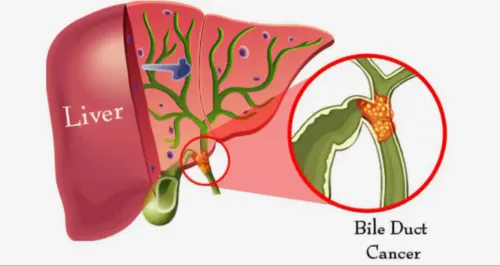
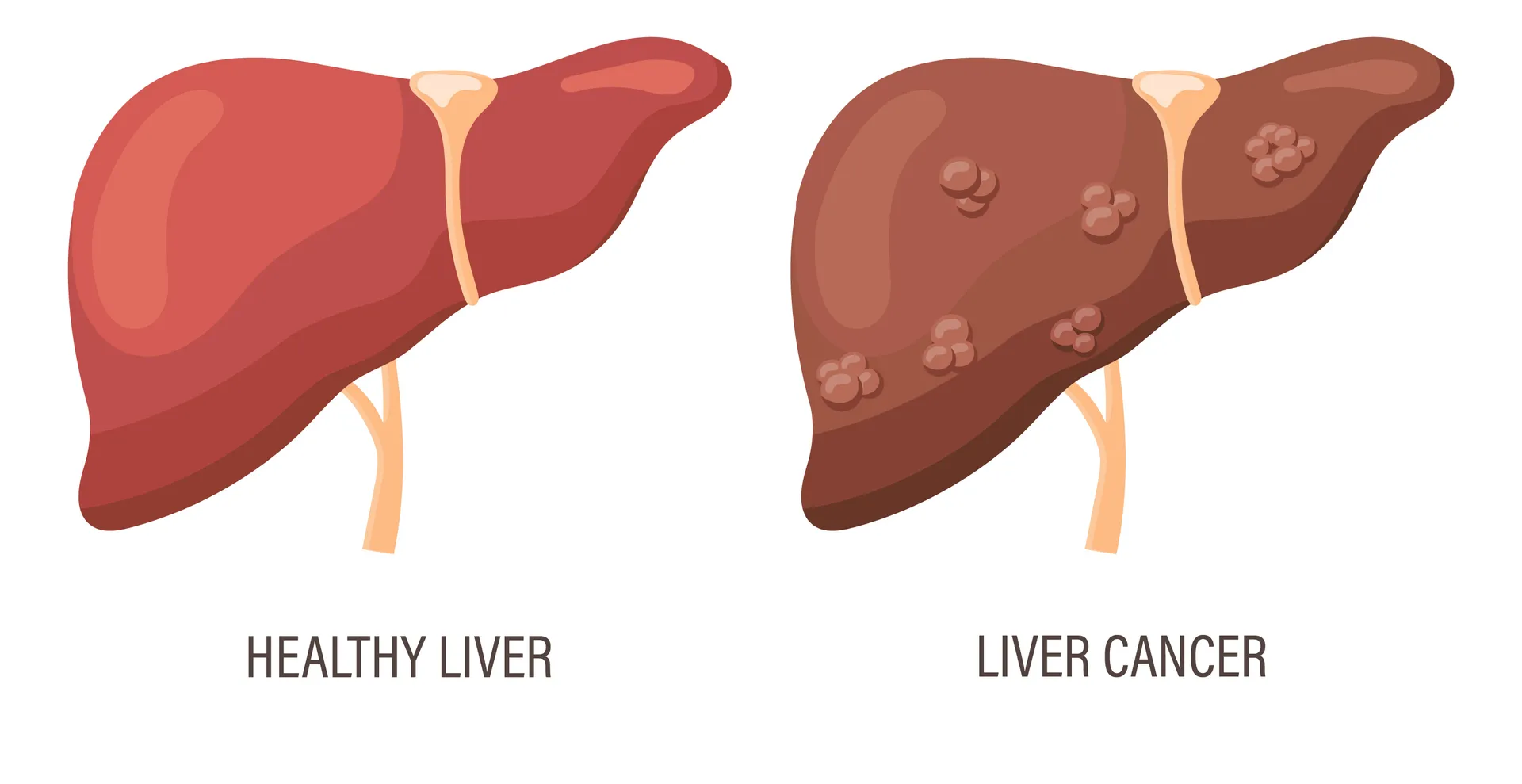
Liver cancer occurs when abnormal cells begin growing uncontrollably within the liver. The most common type is hepatocellular carcinoma (HCC), which develops from the main liver cells known as hepatocytes.
Liver cancer may develop as a primary cancer originating in the liver or as secondary cancer that has spread from another part of the body. Patients with long-standing liver disease are generally at a higher risk of developing primary liver cancer.
Who Is at Higher Risk?
Although liver cancer can occur in anyone, certain medical conditions increase the likelihood of developing the disease.
Risk factors include:
- Liver cirrhosis
- Chronic hepatitis B infection
- Chronic hepatitis C infection
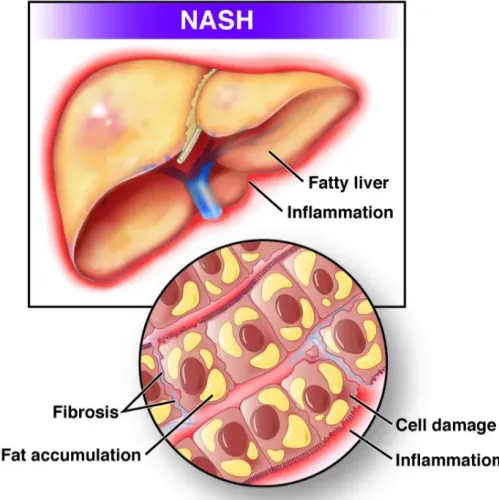
- Fatty liver disease associated with obesity
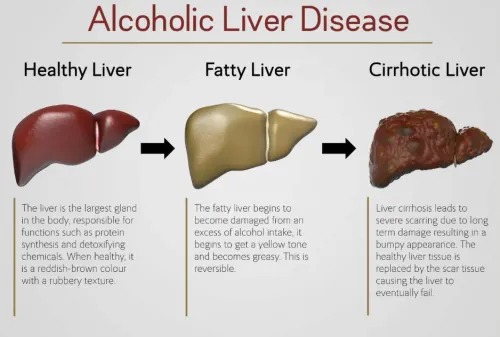
- Alcohol-related liver disease
- Diabetes
- Certain inherited liver disorders
- Long-term exposure to aflatoxins in contaminated food
- Family history of liver cancer
Having one or more of these risk factors does not necessarily mean a person will develop liver cancer, but regular medical follow-up is strongly recommended.
Early Symptoms May Be Easy to Miss
One of the challenges of liver cancer is that symptoms often appear only after the disease has progressed.
Possible warning signs include:
- Persistent pain in the upper right side of the abdomen
- Unexplained weight loss
- Loss of appetite
- Ongoing fatigue
- Abdominal swelling
- Yellowing of the skin and eyes
- Nausea
- A feeling of fullness after eating small meals
These symptoms can also occur in other liver diseases, making specialist evaluation essential for an accurate diagnosis.
How Is Liver Cancer Diagnosed?
Diagnosing liver cancer involves a combination of clinical assessment, laboratory investigations, and advanced imaging.
A specialist may recommend:
- Liver function tests
- Alpha-fetoprotein (AFP) blood test
- Ultrasound examination
- Contrast-enhanced CT scan
- MRI of the liver
- PET scan in selected cases
- Liver biopsy when required
The stage of the disease, liver function, and the patient's overall health all influence treatment planning.
Modern Treatment Options
Treatment depends on several factors, including the size and number of tumours, liver function, and whether the cancer has spread beyond the liver.
Common treatment options include:
Liver Surgery
When the cancer is confined to one part of the liver and sufficient healthy liver tissue remains, surgical removal of the tumour may be recommended.
Liver Transplantation
In selected patients with early-stage liver cancer and advanced liver disease, liver transplantation may offer an opportunity to treat both the cancer and the underlying liver condition.
Local Ablation Therapies
Small liver tumours may sometimes be treated using techniques such as radiofrequency ablation or microwave ablation, which destroy cancer cells without removing large portions of the liver.
Transarterial Therapies
Certain patients may benefit from procedures that deliver treatment directly to the tumour through its blood supply.
Systemic Therapy
Targeted therapy, immunotherapy, or chemotherapy may be considered for advanced liver cancer depending on the individual case.
Treatment decisions are usually made by a multidisciplinary team to ensure the most suitable approach for each patient.
Why Regular Screening Is Important
People with chronic liver disease often feel well despite ongoing liver damage. Regular surveillance can identify liver cancer before symptoms develop.
Doctors commonly recommend periodic:
- Ultrasound examinations
- Liver function tests
- AFP blood tests
The exact screening schedule depends on the patient's underlying liver condition and overall risk profile.
Frequently Asked Questions
Can liver cancer be cured?
When detected early, certain patients may be candidates for curative treatments such as surgery or liver transplantation. Outcomes depend on the stage of cancer and liver function.
Does every liver tumour indicate cancer?
No. The liver can develop benign growths such as cysts or haemangiomas that are not cancerous. Proper imaging helps distinguish between benign and malignant lesions.
Can fatty liver increase the risk of liver cancer?
Yes. Advanced fatty liver disease, particularly when associated with cirrhosis, can increase the risk over time.
Should patients with cirrhosis undergo regular check-ups?
Yes. Individuals with cirrhosis are at increased risk of liver cancer and should follow the surveillance schedule recommended by their liver specialist.
The Value of Specialist Care
Managing liver cancer requires close collaboration between hepatologists, hepatobiliary surgeons, radiologists, oncologists, transplant specialists, and critical care teams. Every patient requires an individualised treatment strategy based on the stage of disease and overall liver function.
For patients in PCMC seeking specialised evaluation for liver tumours or chronic liver disease, Dr Amol Jadhav's Comprehensive Liver Care Center provides multidisciplinary assessment and evidence-based management for liver cancer, complex hepatobiliary disorders, and liver transplantation. Through advanced diagnostic techniques and personalised treatment planning, the centre supports patients and their families in making informed decisions at every stage of care.
Keywords