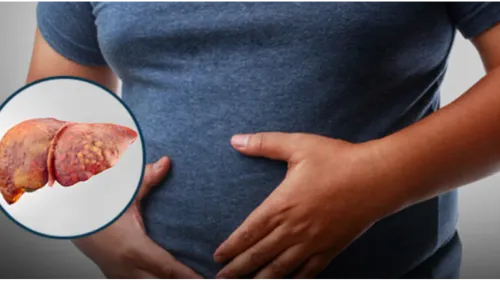
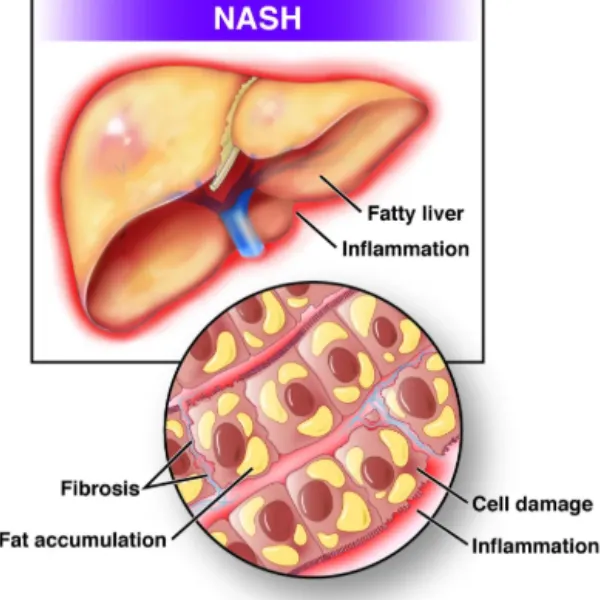
Many people are familiar with the term fatty liver, but fewer know about a more advanced condition called Non Alcoholic Steatohepatitis (NASH). While simple fatty liver may not always cause lasting damage, NASH involves liver inflammation and injury that can gradually lead to fibrosis, cirrhosis, or even liver failure if left untreated.
Consulting a Non Alcoholic Steatohepatitis Treatment Specialist in PCMC can help determine whether fatty liver has progressed to a stage that requires closer medical attention. Early diagnosis plays a significant role in protecting long-term liver function.
What Is Non Alcoholic Steatohepatitis?
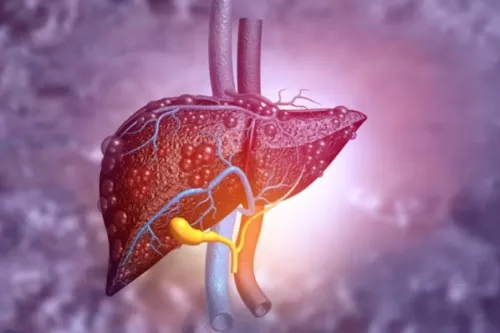
Non Alcoholic Steatohepatitis is an advanced form of non-alcoholic fatty liver disease. In this condition, excess fat accumulates in the liver along with inflammation and damage to liver cells.
Unlike alcohol-related liver disease, NASH develops in people who consume little or no alcohol. It is closely associated with metabolic health and lifestyle-related conditions.
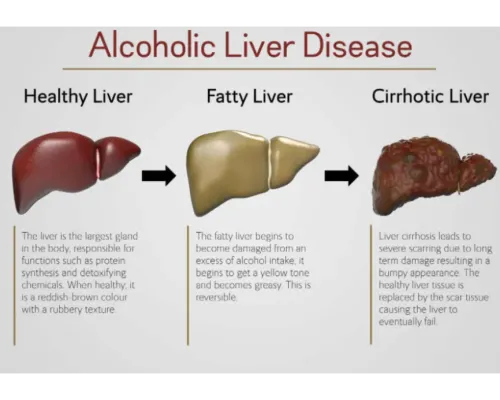
Over time, repeated inflammation may cause scar tissue to form inside the liver. This process is known as fibrosis. If fibrosis continues to worsen, it may eventually develop into cirrhosis.
Who Is at Higher Risk?
NASH can affect both men and women, although certain health conditions increase the likelihood of developing it.
Common risk factors include:
- Obesity
- Type 2 diabetes
- High cholesterol
- High triglycerides
- High blood pressure
- Metabolic syndrome
- Polycystic ovary syndrome (PCOS)
- Family history of fatty liver disease
Even individuals who are not significantly overweight can develop NASH if they have metabolic abnormalities.
Symptoms Can Be Difficult to Notice
One reason NASH is often diagnosed late is that many patients experience few noticeable symptoms.
Some individuals may report:
- Persistent tiredness
- Mild discomfort in the upper right abdomen
- Reduced energy levels
- Difficulty concentrating
- Unexplained weakness
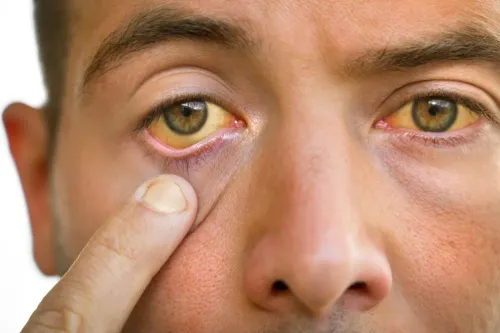
As liver damage progresses, more serious symptoms may appear, but waiting until then can reduce treatment options.
How Is NASH Diagnosed?
Diagnosis involves more than identifying fat within the liver. Doctors also need to assess inflammation and the degree of liver damage.
Evaluation may include:
- Liver function blood tests
- Ultrasound scan
- FibroScan to measure liver stiffness
- MRI in selected cases
- Additional blood investigations
- Liver biopsy when necessary
Not every patient requires invasive testing, and specialists decide investigations based on individual risk factors.
Why Early Treatment Matters
Unlike many short-term illnesses, liver scarring develops gradually over several years.
Without appropriate management, NASH may increase the risk of:
- Liver fibrosis
- Cirrhosis
- Liver cancer
- Portal hypertension
- Liver failure
The good news is that progression can often be slowed or prevented through timely medical intervention and sustained lifestyle improvements.
Treatment Focuses on the Underlying Cause
Currently, successful management depends on improving the conditions contributing to liver damage.
Treatment plans may include:
- Weight management
- Medical nutrition counselling
- Diabetes control
- Cholesterol management
- Blood pressure optimisation
- Regular exercise
- Periodic liver monitoring
Some patients may require medications depending on associated health conditions and the severity of liver disease.
Daily Habits That Support Liver Health
Small but consistent changes can make a meaningful difference.
Helpful lifestyle measures include:
- Eating more fresh vegetables and fruits
- Choosing whole grains over refined carbohydrates
- Reducing sugary beverages
- Limiting processed foods
- Exercising most days of the week
- Maintaining a healthy body weight
- Avoiding unnecessary medications without medical advice
These habits improve overall metabolic health while reducing ongoing stress on the liver.
When Should You See a Specialist?
Medical evaluation is recommended if:
- Fatty liver has been detected during a health check-up
- Liver enzyme levels remain elevated
- Diabetes and obesity are both present
- There is a family history of liver disease
- You experience persistent fatigue with abnormal liver tests
Early specialist consultation provides an opportunity to assess liver health before irreversible damage develops.
Dr Amol Jadhav's Comprehensive Liver Care Center evaluates patients with fatty liver disease using modern diagnostic approaches to determine whether inflammation or fibrosis is present. Individuals from PCMC and nearby areas receive personalised treatment plans based on the severity of liver disease, associated metabolic conditions, and long-term health goals.
Understanding the difference between simple fatty liver and NASH allows patients to make informed decisions about their health. Timely medical care and consistent lifestyle changes remain the most effective tools for protecting the liver and preventing future complications.
Keywords