Persistent upper abdominal pain that spreads to the back is often dismissed as acidity or indigestion. However, when this pain becomes severe, is accompanied by vomiting, or keeps recurring, it may indicate pancreatitis, a condition that requires prompt medical attention. Consulting a Pancreatitis Treatment Specialist in PCMC can help identify the underlying cause, manage the condition effectively, and reduce the risk of long-term complications.
The pancreas plays a vital role in digestion and blood sugar regulation. When it becomes inflamed, the body's normal digestive processes can be disrupted, leading to symptoms that range from mild discomfort to life-threatening illness.
What Is Pancreatitis?
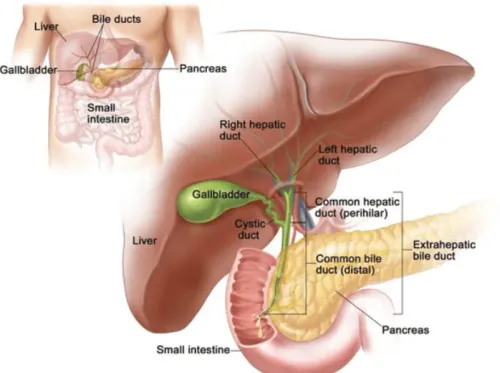
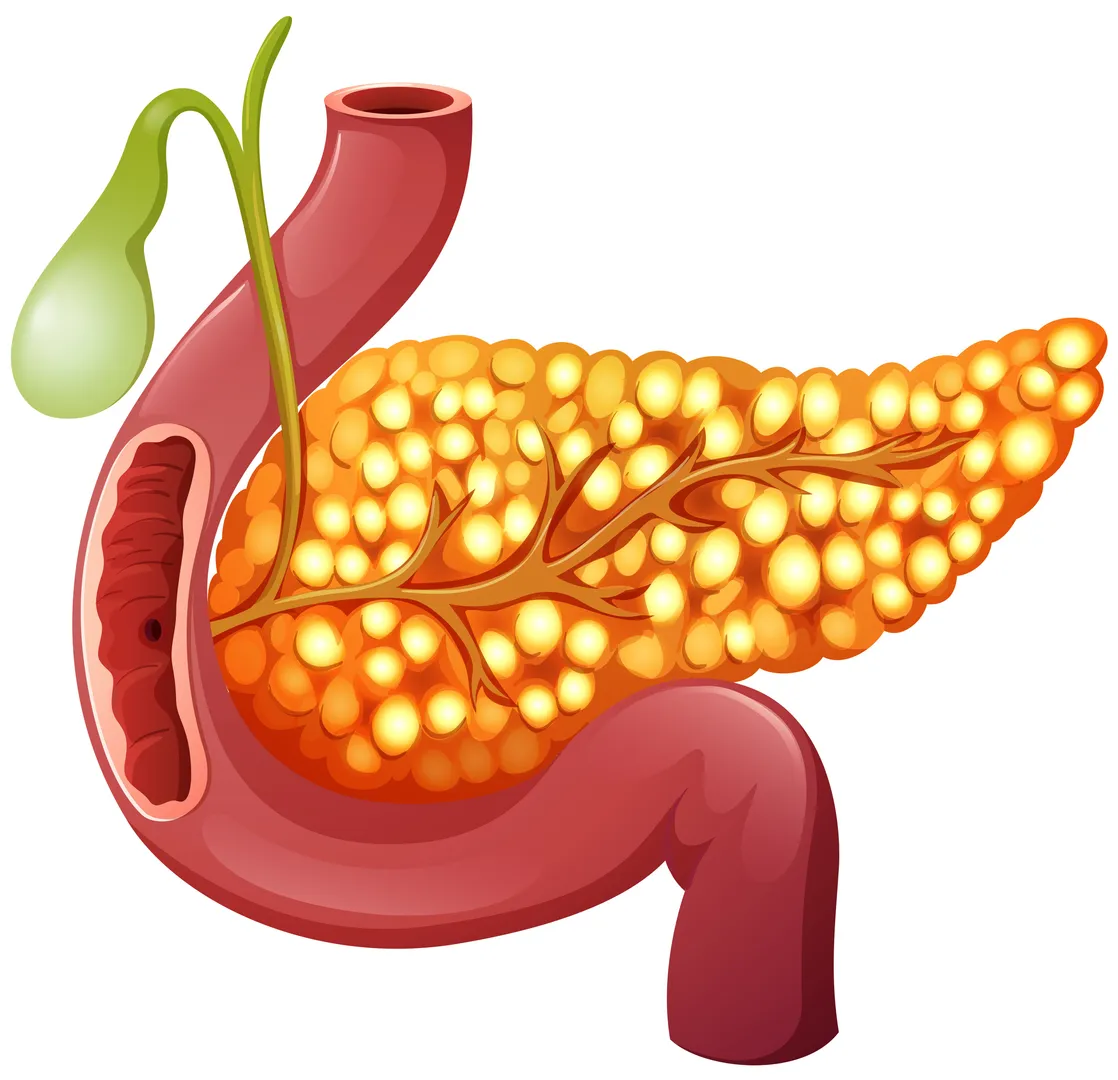
Pancreatitis is the inflammation of the pancreas, an organ located behind the stomach. The pancreas produces digestive enzymes that help break down food and hormones such as insulin that regulate blood sugar levels.
Normally, digestive enzymes become active only after reaching the small intestine. In pancreatitis, these enzymes become active inside the pancreas itself, causing inflammation and damage to pancreatic tissue.
There are two main types of pancreatitis:
- Acute pancreatitis, which develops suddenly and may resolve with appropriate treatment.
- Chronic pancreatitis, which develops over time and can cause permanent damage to the pancreas.
Both conditions require medical evaluation, although their treatment approaches may differ.
What Causes Pancreatitis?
Several medical conditions and lifestyle factors can contribute to pancreatic inflammation.
The most common causes include:
- Gallstones
- Excessive alcohol consumption
- High triglyceride levels
- Certain medications
- Pancreatic infections
- Abdominal injury
- Autoimmune disorders
- Genetic conditions
- Pancreatic tumours in some cases
In some patients, no definite cause is identified despite thorough investigation.
Common Symptoms of Pancreatitis
Symptoms vary depending on the severity of inflammation. Acute pancreatitis usually develops suddenly, while chronic pancreatitis may progress gradually.
Common symptoms include:
- Severe pain in the upper abdomen
- Pain radiating to the back
- Nausea and vomiting
- Fever
- Abdominal tenderness
- Loss of appetite
- Bloating
- Difficulty digesting fatty foods
Patients with chronic pancreatitis may also experience:
- Unexplained weight loss
- Oily or greasy stools
- Nutritional deficiencies
- Diabetes due to reduced insulin production
Persistent or severe abdominal pain should always be assessed by a healthcare professional.
When Is Pancreatitis a Medical Emergency?
Some symptoms require immediate hospital care because they may indicate severe pancreatitis or complications.
Seek urgent medical attention if you develop:
- Intense abdominal pain that does not improve
- Persistent vomiting
- High fever
- Difficulty breathing
- Confusion
- Low blood pressure
- Yellowing of the skin or eyes
- Severe dehydration
Early treatment can reduce the likelihood of serious complications such as infection, organ failure, or pancreatic necrosis.
How Is Pancreatitis Diagnosed?
Diagnosis involves a combination of clinical evaluation, blood investigations, and imaging studies.
Doctors may recommend:
- Blood tests to measure pancreatic enzymes
- Liver function tests
- Ultrasound of the abdomen
- Contrast-enhanced CT scan
- MRI or MRCP when indicated
- Endoscopic ultrasound in selected patients
These investigations help determine the cause, severity, and extent of pancreatic inflammation while identifying complications such as gallstones or pancreatic collections.
Treatment Options
Treatment depends on whether the condition is acute or chronic, its severity, and the underlying cause.
Supportive Hospital Care
Many patients with acute pancreatitis require admission for:
- Intravenous fluids
- Pain management
- Nutritional support
- Close monitoring
- Treatment of electrolyte imbalances
Treating the Underlying Cause
If gallstones are responsible, doctors may recommend procedures to remove bile duct stones followed by gallbladder surgery to prevent future attacks.
If alcohol is the cause, complete abstinence is an essential part of long-term management.
Patients with high triglyceride levels or medication-related pancreatitis require treatment directed at those specific causes.
Management of Chronic Pancreatitis
Long-term treatment may include:
- Pancreatic enzyme supplements
- Dietary modifications
- Blood sugar management
- Pain control
- Endoscopic procedures
- Surgery in carefully selected patients
The treatment plan is individualised based on the patient's symptoms and disease progression.
Can Pancreatitis Be Prevented?
Not every case can be prevented, but healthy lifestyle choices can reduce the risk.
Helpful preventive measures include:
- Limiting or avoiding alcohol consumption
- Maintaining a healthy body weight
- Following a balanced diet
- Controlling cholesterol and triglyceride levels
- Seeking treatment for gallstones when recommended
- Attending regular follow-up appointments if you have chronic pancreatic disease
Early management of risk factors often prevents recurrent episodes.
Frequently Asked Questions
Does pancreatitis always require surgery?
No. Many patients recover with medical treatment alone. Surgery is considered only when necessary, depending on the cause or complications.
Can pancreatitis return?
Yes. If the underlying cause is not treated, recurrent attacks are possible, especially in cases related to gallstones or ongoing alcohol use.
Is chronic pancreatitis curable?
Chronic pancreatitis cannot usually be reversed, but appropriate treatment can control symptoms, improve digestion, and help maintain quality of life.
Should recurring abdominal pain be ignored?
No. Repeated abdominal pain, especially after meals or when associated with vomiting or weight loss, should always be medically evaluated.
Why Specialist Evaluation Is Important
Pancreatitis can sometimes resemble other digestive disorders, making accurate diagnosis essential. Early intervention not only relieves symptoms but also helps prevent complications affecting the pancreas, liver, gallbladder, and bile ducts.
For individuals in PCMC and nearby areas of Maharashtra, Dr Amol Jadhav's Comprehensive Liver Care Center provides multidisciplinary evaluation for pancreatic disorders, gallstone-related pancreatitis, and other complex hepatobiliary conditions. By combining advanced imaging, evidence-based treatment, and surgical expertise where required, the centre helps patients receive personalized care focused on recovery, long-term pancreatic health, and improved quality of life.
Keywords