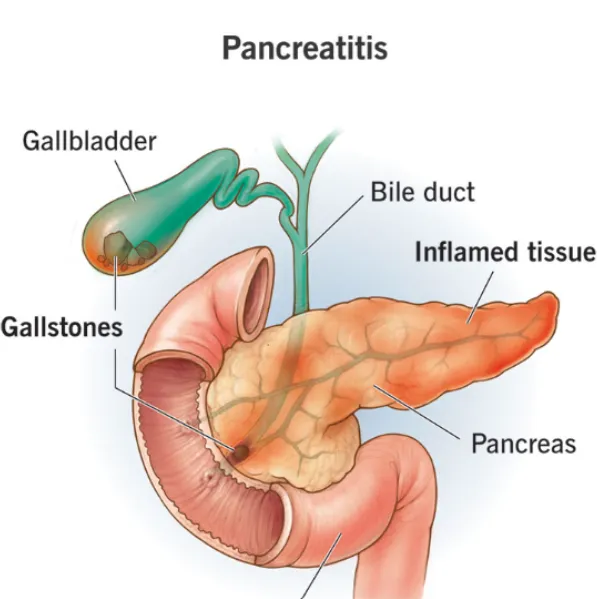
Pancreatitis is a condition in which the pancreas becomes inflamed, causing symptoms that can range from mild abdominal discomfort to severe pain requiring emergency treatment. While a single episode may resolve with appropriate care, repeated attacks can permanently damage the pancreas and affect digestion as well as blood sugar regulation.
Consulting a Pancreatitis Treatment Specialist in PCMC helps identify the underlying cause, reduce the risk of recurrence, and prevent long-term complications. Early diagnosis allows treatment to focus not only on relieving symptoms but also on preserving pancreatic function.
What Is Pancreatitis?
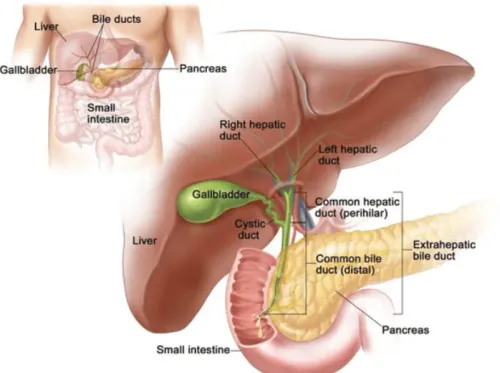
The pancreas is a gland located behind the stomach that produces digestive enzymes and hormones such as insulin.
Pancreatitis occurs when digestive enzymes become activated within the pancreas instead of the intestine, leading to inflammation and tissue damage.
The condition is generally classified into:
- Acute pancreatitis
- Chronic pancreatitis
Although both involve inflammation, their causes, treatment, and long-term effects differ significantly.
Common Causes of Pancreatitis
Several medical conditions can trigger pancreatic inflammation.
Some of the most common causes include:
- Gallstones
- Alcohol-related pancreatic injury
- High triglyceride levels
- Certain medications
- Pancreatic duct abnormalities
- Abdominal trauma
- Infections
- Rare genetic conditions
Determining the exact cause is essential because preventing recurrence depends on treating the underlying problem.
Symptoms You Should Not Ignore
Pancreatitis usually causes noticeable symptoms that require medical attention.
Common symptoms include:
- Severe upper abdominal pain
- Pain spreading to the back
- Nausea
- Vomiting
- Fever
- Abdominal tenderness
- Bloating
- Difficulty eating
Persistent or worsening abdominal pain should never be ignored, especially when accompanied by vomiting or fever.
How Is Pancreatitis Diagnosed?
Diagnosis involves both clinical examination and diagnostic investigations.
A specialist may recommend:
- Blood tests for pancreatic enzymes
- Liver function tests
- Ultrasound
- CT scan
- MRI or MRCP
- Endoscopic ultrasound in selected patients
These investigations help determine the severity of inflammation and identify contributing factors such as gallstones or pancreatic duct abnormalities.
Treatment Depends on the Severity
Treatment varies according to whether the condition is acute or chronic.
Management may include:
- Hospital admission
- Intravenous fluids
- Pain management
- Nutritional support
- Treatment of gallstones if present
- Endoscopic procedures
- Surgery in selected situations
Patients with recurrent attacks often require additional investigations to identify the underlying reason for repeated inflammation.
Lifestyle Measures That Help Prevent Recurrence
Recovery does not end when symptoms improve.
Doctors commonly advise patients to:
- Avoid alcohol
- Eat balanced, low-fat meals
- Maintain a healthy body weight
- Stay well hydrated
- Control blood triglyceride levels
- Follow prescribed medications
- Attend regular follow-up appointments
These measures reduce stress on the pancreas and lower the risk of future episodes.
When Does Pancreatitis Become Chronic?
Repeated inflammation may gradually replace healthy pancreatic tissue with scar tissue.
Chronic pancreatitis can lead to:
- Persistent abdominal pain
- Poor digestion
- Weight loss
- Nutritional deficiencies
- Diabetes
- Reduced quality of life
Early management aims to prevent or slow this progression.
Why Specialist Care Is Important
Pancreatitis shares symptoms with several other digestive disorders, making accurate diagnosis essential. Identifying the underlying cause allows treatment to address the problem rather than simply relieving pain.
Dr Amol Jadhav's Comprehensive Liver Care Center evaluates patients with pancreatic disorders using advanced diagnostic techniques and evidence-based management strategies. Individuals from PCMC receive personalised treatment plans based on the severity of the disease, associated liver or gallbladder conditions, and their overall health status.
Recognising pancreatitis early and seeking specialist care can reduce complications, improve recovery, and help patients maintain healthy pancreatic function over the long term.
Keywords