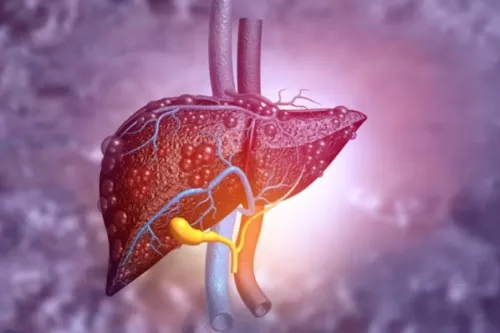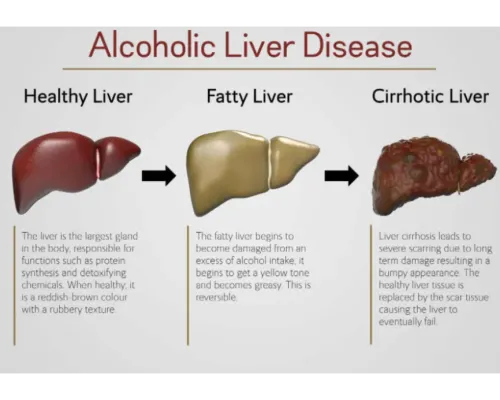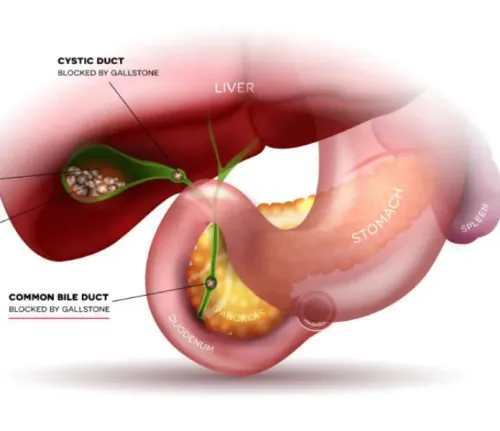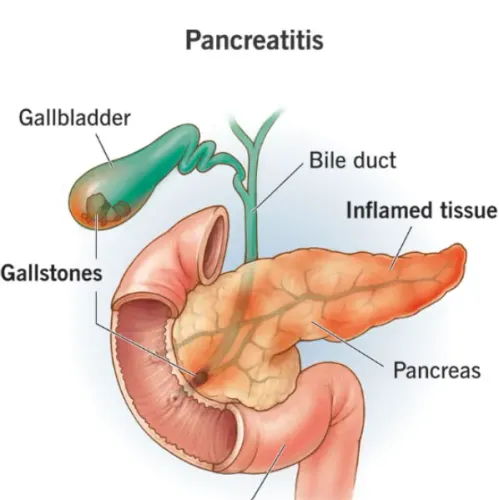

Acute liver failure is a rare but serious condition in which the liver suddenly loses its ability to perform its essential functions. Unlike chronic liver disease, which develops gradually over months or years, acute liver failure can progress rapidly over days or weeks. Prompt diagnosis and specialist treatment are critical because delayed care may lead to life-threatening complications.
Consulting an Acute Liver Failure (ALF) Treatment Specialist in PCMC becomes essential when liver function deteriorates suddenly, especially in individuals with severe jaundice, confusion, abnormal blood clotting, or rapidly worsening liver tests.
What Is Acute Liver Failure?
Acute liver failure occurs when extensive damage to liver cells causes a sudden decline in liver function. As the liver struggles to process toxins, produce proteins, and regulate blood clotting, multiple organs may also become affected.
Although uncommon, the condition requires urgent medical attention and close monitoring in a specialised healthcare setting.
Common Causes of Acute Liver Failure
Several medical conditions can trigger acute liver failure.
Some of the most frequent causes include:
- Acute viral hepatitis
- Drug-induced liver injury
- Excessive paracetamol overdose
- Autoimmune hepatitis
- Certain herbal or alternative medications
- Toxin exposure
- Pregnancy-related liver disorders
- Rare metabolic diseases
Identifying the exact cause is one of the first priorities because treatment depends on the underlying condition.
Symptoms Can Progress Quickly
Early symptoms often resemble common viral illnesses.
Patients may initially experience:
- Fatigue
- Nausea
- Vomiting
- Poor appetite
- Fever
- Abdominal discomfort
As liver failure worsens, more serious symptoms can develop.
These include:
- Severe jaundice
- Confusion
- Drowsiness
- Personality changes
- Swelling of the abdomen
- Easy bruising
- Bleeding
- Difficulty staying awake
Mental confusion occurs because toxins normally removed by the liver begin affecting the brain, a condition known as hepatic encephalopathy.
How Is Acute Liver Failure Diagnosed?
Because the condition progresses rapidly, investigations are usually performed without delay.
Doctors commonly recommend:
- Liver function tests
- Blood clotting profile
- Kidney function tests
- Viral hepatitis screening
- Toxicology evaluation
- Ultrasound or CT imaging
- Additional blood investigations based on clinical findings
Continuous monitoring is often necessary because liver function can change within hours.
Treatment Focuses on Stabilising the Patient
Acute liver failure requires hospital-based management.
Treatment may include:
- Intensive supportive care
- Intravenous fluids
- Medicines targeting the underlying cause
- Correction of blood clotting abnormalities
- Monitoring for brain swelling
- Infection prevention
- Nutritional support
In selected patients, liver transplantation may become necessary if recovery is unlikely with medical treatment alone.
Why Self-Treatment Is Dangerous
Some people delay medical care, believing jaundice or liver inflammation will improve with home remedies. Unfortunately, acute liver failure can worsen very quickly.
Patients should avoid:
- Self-prescribed painkillers
- Herbal liver supplements without medical advice
- Alcohol
- Delaying emergency medical evaluation
Prompt specialist intervention offers the best opportunity for recovery.
Preventing Acute Liver Failure
Although not every case is preventable, several practical measures reduce the risk.
These include:
- Taking medications only as prescribed
- Avoiding overdose of common pain medicines
- Receiving hepatitis vaccinations when appropriate
- Limiting alcohol consumption
- Seeking medical attention for persistent jaundice
- Consulting a doctor before using herbal products
Regular health evaluations also help identify liver disease before severe complications develop.
Importance of Specialist Liver Care
Managing acute liver failure requires expertise in critical care, hepatology, advanced diagnostics, and, when necessary, transplant referral. Every hour can influence the patient's outcome, making timely evaluation essential.
Dr Amol Jadhav's Comprehensive Liver Care Center provides specialised assessment for patients with severe liver disorders, helping identify the cause of acute liver failure and coordinating evidence-based treatment for patients across PCMC and neighbouring areas. The focus remains on preserving liver function, preventing complications, and ensuring that patients receive appropriate specialist care as early as possible.
Acute liver failure should always be treated as a medical emergency. Recognising the warning signs and seeking prompt medical attention can significantly improve the chances of recovery while reducing the risk of long-term complications.
Keywords