Bile duct cancer is an uncommon but serious condition that develops in the thin tubes carrying bile from the liver to the small intestine. Because its early symptoms are often mild or absent, many patients are diagnosed only after the disease begins affecting normal bile flow. Timely medical evaluation can help identify the condition at an earlier stage and improve treatment planning.
Consulting a Bile Duct Cancer Treatment Specialist in PCMC is important for individuals experiencing persistent jaundice, unexplained weight loss, or imaging findings suggesting abnormalities within the bile ducts. A specialist evaluates the extent of the disease and recommends an appropriate treatment plan based on the patient's overall health and cancer stage.
What Is Bile Duct Cancer?
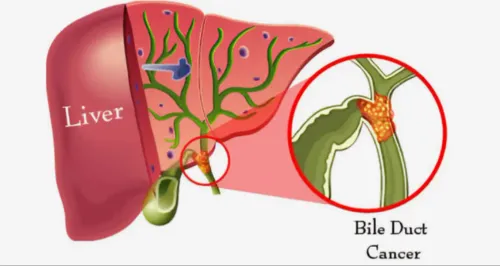
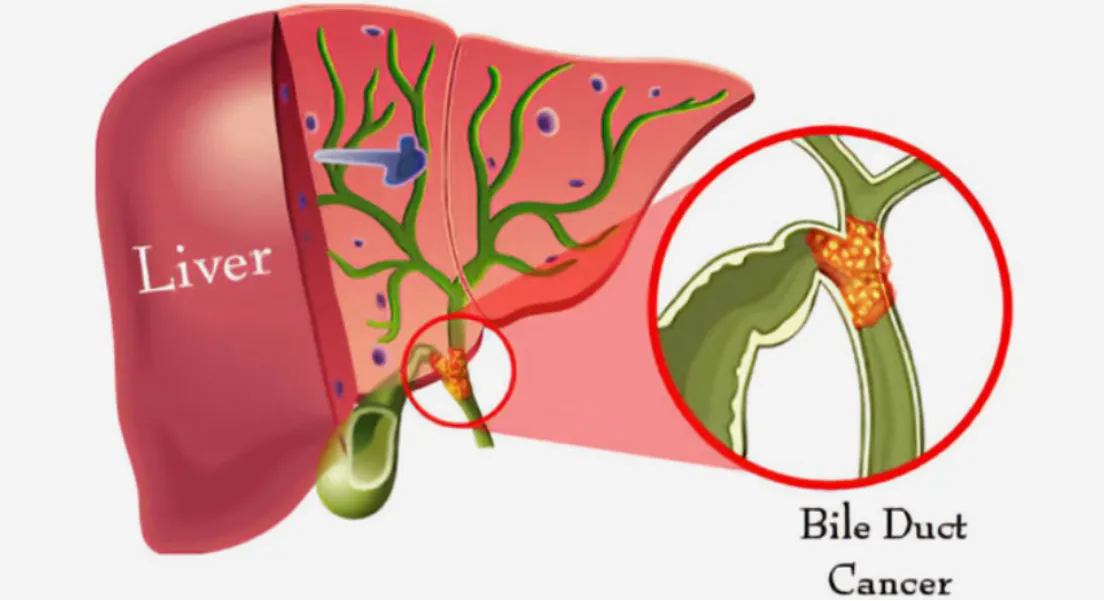
Bile duct cancer, also known as cholangiocarcinoma, begins in the cells lining the bile ducts. These ducts play an essential role in digestion by transporting bile produced by the liver.
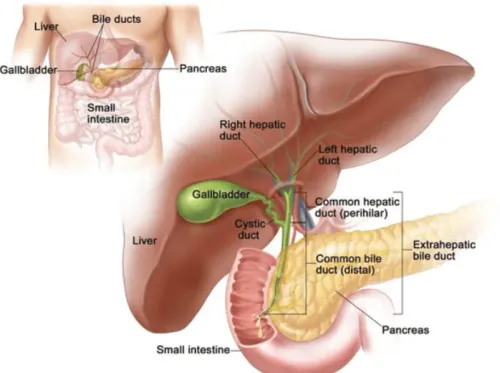
Depending on where the cancer develops, it may be classified as:
- Intrahepatic bile duct cancer (within the liver)
- Perihilar bile duct cancer (near the junction of the liver ducts)
- Distal bile duct cancer (closer to the pancreas and small intestine)
The location influences both symptoms and treatment options.
Risk Factors That Increase the Chances of Developing the Disease
Although bile duct cancer is relatively uncommon, certain conditions may increase the risk.
These include:
- Primary sclerosing cholangitis
- Chronic bile duct inflammation
- Bile duct cysts
- Liver cirrhosis
- Chronic hepatitis infections
- Long-standing bile duct stones
- Certain parasitic infections in endemic regions
Many patients, however, may not have any identifiable risk factor.
Symptoms That Deserve Medical Attention
Early detection is difficult because symptoms often appear only after bile flow becomes obstructed.
Common symptoms include:
- Yellowing of the skin and eyes
- Persistent itching
- Dark-coloured urine
- Pale stools
- Unexplained weight loss
- Loss of appetite
- Upper abdominal pain
- Fatigue
Since these symptoms can also occur with gallstones or hepatitis, detailed evaluation is essential for an accurate diagnosis.
How Is Bile Duct Cancer Diagnosed?
Diagnosis usually involves several investigations that help determine both the presence and extent of the disease.
These may include:
- Liver function tests
- Tumour marker blood tests
- Ultrasound examination
- Contrast-enhanced CT scan
- MRI with MRCP
- Endoscopic procedures such as ERCP
- Tissue biopsy when required
The combination of these tests allows specialists to develop an appropriate treatment strategy.
Treatment Is Individualised
There is no single treatment suitable for every patient.
Depending on the stage and location of the cancer, treatment options may include:
- Surgical removal of the tumour
- Bile duct reconstruction
- Liver resection
- Stent placement to relieve bile duct blockage
- Chemotherapy
- Targeted therapy in selected patients
- Palliative care to improve quality of life
The goal is to manage the disease while preserving liver function whenever possible.
Why Early Specialist Consultation Matters
Because bile duct cancer can resemble other liver and gallbladder conditions, specialist assessment helps avoid delays in diagnosis.
Early evaluation offers several advantages:
- Faster identification of the cause
- More treatment options
- Better symptom management
- Improved planning for surgery if appropriate
- Coordinated multidisciplinary care
Patients with persistent jaundice or unexplained abnormalities on imaging should not postpone further investigations.
Questions to Discuss With Your Specialist
Before beginning treatment, patients often benefit from asking:
- What type of bile duct cancer do I have?
- Has the cancer spread beyond the bile ducts?
- Is surgery a suitable option?
- What additional tests are required?
- How will treatment affect liver function?
- What follow-up care will be necessary?
Having a clear understanding of the diagnosis helps patients and families participate confidently in treatment decisions.
Importance of Comprehensive Liver and HPB Care
Managing bile duct cancer often requires collaboration between hepatologists, HPB surgeons, gastroenterologists, radiologists, and oncologists.
Dr Amol Jadhav's Comprehensive Liver Care Center provides specialised evaluation for complex liver and bile duct conditions using advanced diagnostic methods and evidence-based treatment planning. Patients from PCMC and neighbouring areas receive personalised recommendations that consider both the cancer and the overall health of the liver.
Prompt evaluation by an experienced specialist improves the opportunity for timely treatment while helping patients understand every available option throughout their care journey.
Keywords