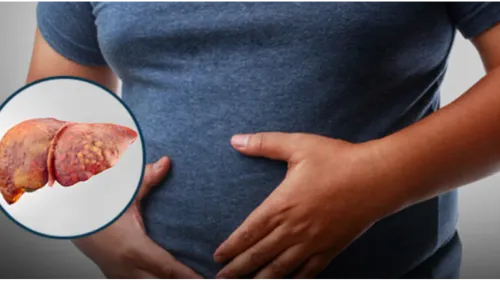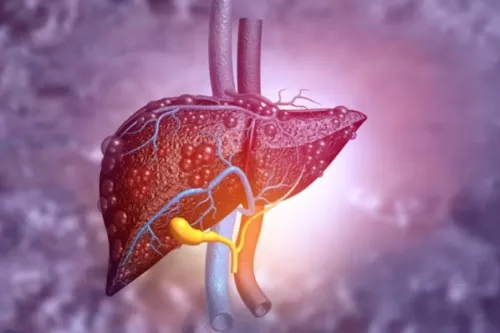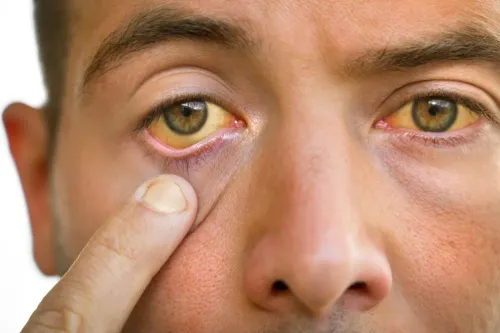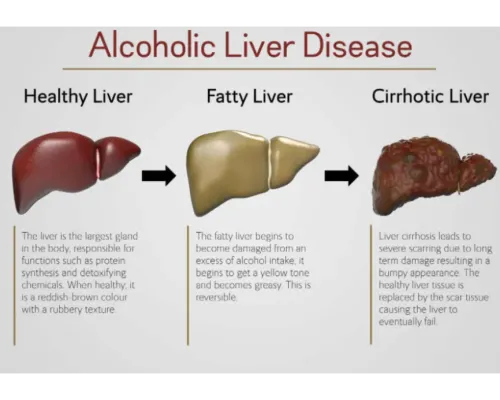
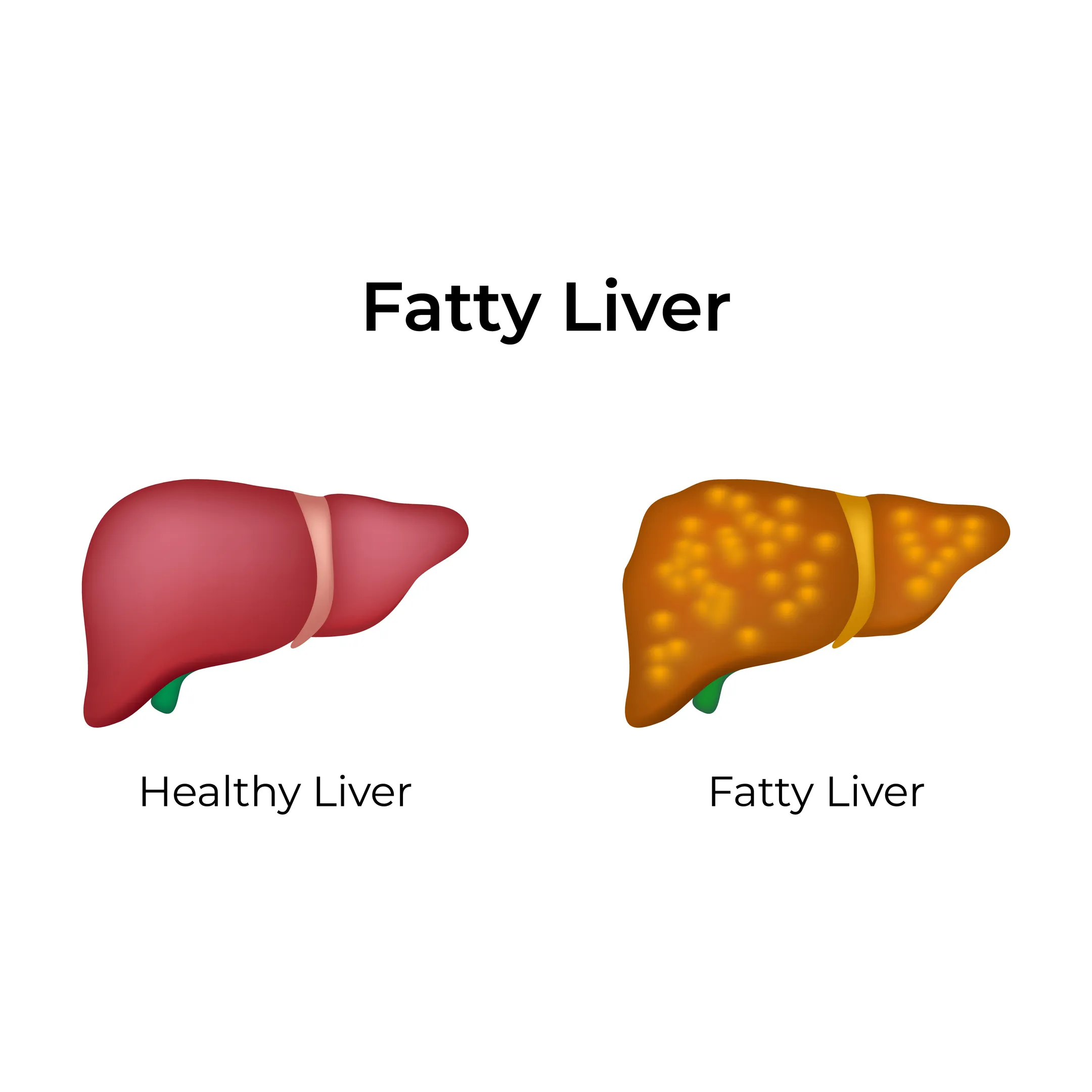
Fatty liver disease has become one of the most commonly diagnosed liver conditions in India, affecting people across different age groups. Many individuals discover they have fatty liver only after undergoing a routine health check-up because the condition often develops without noticeable symptoms in its early stages. While it may seem harmless initially, untreated fatty liver can progress to inflammation, scarring, and, in some cases, permanent liver damage.
Seeking guidance from a Fatty Liver Treatment Specialist in PCMC can help identify the underlying cause and prevent the disease from progressing. Early intervention often involves lifestyle improvements, medical evaluation, and regular monitoring rather than complex treatment.
What Is Fatty Liver Disease?
Fatty liver disease occurs when excess fat accumulates inside liver cells. A healthy liver contains only a small amount of fat, but when fat makes up a significant portion of the liver, its ability to function efficiently can gradually decline.
The condition generally falls into two categories:
- Non-alcoholic fatty liver disease (NAFLD), which is not caused by alcohol consumption
- Alcohol-related fatty liver disease, which develops due to excessive alcohol intake
Both conditions require proper medical assessment because they can progress differently depending on the individual's health, lifestyle, and medical history.
Why Is Fatty Liver Becoming More Common?
Modern lifestyles have contributed significantly to the increasing number of fatty liver cases across Maharashtra and other parts of India. Long working hours, unhealthy eating habits, lack of exercise, and increasing obesity rates have all played a role.
Some common risk factors include:
- Being overweight or obese
- Type 2 diabetes
- High cholesterol
- High triglyceride levels
- Poor dietary habits
- Sedentary lifestyle
- Excessive alcohol consumption
- Certain medications
- Family history of metabolic disorders
People with more than one risk factor should consider regular liver health evaluations even if they feel completely healthy.
Symptoms May Not Appear Immediately
One of the biggest challenges with fatty liver disease is that many patients experience no obvious symptoms during the early stages.
As the condition progresses, some people may notice:
- Persistent tiredness
- Mild discomfort in the upper right side of the abdomen
- Feeling of fullness after meals
- Unexplained weakness
- Difficulty maintaining energy levels
These symptoms are not unique to fatty liver, making medical evaluation essential rather than relying on self-diagnosis.
How Is Fatty Liver Diagnosed?
Diagnosis usually begins with a detailed discussion about medical history, lifestyle, and existing health conditions.
A specialist may recommend:
- Blood tests to evaluate liver function
- Ultrasound examination
- FibroScan to assess liver stiffness
- CT scan or MRI when required
- Additional investigations if advanced liver disease is suspected
The goal is not only to confirm fatty liver but also to determine whether inflammation or fibrosis has already developed.
Can Fatty Liver Be Reversed?
In many cases, yes.
Early-stage fatty liver often improves when the underlying causes are addressed. However, the treatment approach varies depending on the severity of the disease and associated health conditions.
Doctors commonly recommend:
- Gradual weight reduction
- Regular physical activity
- Better control of diabetes
- Cholesterol management
- Balanced nutrition
- Avoiding unnecessary alcohol consumption
- Regular follow-up evaluations
Quick-fix diets or unverified supplements rarely provide lasting benefits and may even worsen liver health.
Lifestyle Changes That Support Liver Recovery
Simple daily habits can significantly improve liver function over time.
Helpful measures include:
- Eating more vegetables and whole grains
- Limiting sugary beverages
- Choosing lean protein sources
- Reducing processed foods
- Exercising for at least 150 minutes each week
- Maintaining healthy sleep patterns
- Staying hydrated
These changes support overall metabolic health while reducing stress on the liver.
When Should You Consult a Specialist?
Medical consultation becomes especially important if you have:
- Diabetes with abnormal liver reports
- Persistent elevation of liver enzymes
- Obesity combined with fatty liver
- Family history of liver disease
- Ongoing abdominal discomfort
- Fatty liver detected during routine imaging
Ignoring these findings may allow the disease to progress silently over several years.
Why Specialist Care Makes a Difference
Fatty liver is not the same for every patient. Some individuals remain stable for years, while others develop liver inflammation, fibrosis, or cirrhosis despite minimal symptoms.
Dr Amol Jadhav's Comprehensive Liver Care Center provides comprehensive evaluation for patients with liver disorders, helping determine the stage of disease and recommending evidence-based management suited to each individual's needs. Patients across PCMC and nearby areas often benefit from a structured approach that combines lifestyle guidance, ongoing monitoring, and advanced liver assessment.
Protecting liver health begins with timely diagnosis. Understanding the condition early gives patients the best opportunity to slow, stop, or even reverse disease progression through appropriate medical care and long-term healthy lifestyle choices.
Keywords