
Being told that you need liver surgery, gallbladder cancer surgery, pancreatic surgery, or even a liver transplant can be overwhelming. It is natural to have questions about the diagnosis, treatment options, risks, and expected outcomes. Seeking a second opinion is not a sign of distrust, it is a responsible step that helps patients make informed decisions about complex medical conditions.
If you or a family member has been advised to undergo major liver or hepato-pancreato-biliary (HPB) surgery, consulting an experienced specialist can provide greater clarity, confidence, and peace of mind. For patients in PCMC and surrounding areas of Maharashtra, understanding when a second opinion is appropriate can be an important part of the treatment journey.
Why Is a Second Opinion Important?
Not every liver or pancreatic condition requires immediate surgery. In some situations, there may be multiple treatment options available, including medication, endoscopic procedures, minimally invasive surgery, or liver transplantation.
A second opinion can help:
- Confirm the diagnosis.
- Review whether surgery is necessary.
- Discuss alternative treatment options.
- Explain the risks and expected benefits.
- Ensure the proposed treatment follows current medical guidelines.
- Help patients understand what to expect during recovery.
For complex liver diseases, decisions are often best made by a multidisciplinary team rather than a single specialist.
Which Conditions Commonly Warrant a Second Opinion?
A second opinion is often recommended for patients diagnosed with:
- Liver cancer
- Gallbladder cancer
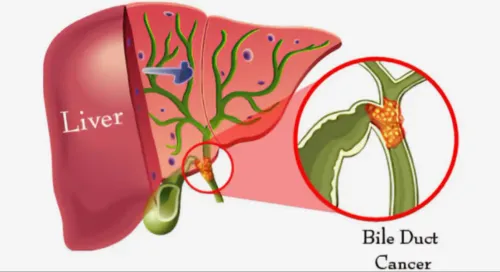
- Bile duct cancer
- Pancreatic tumours
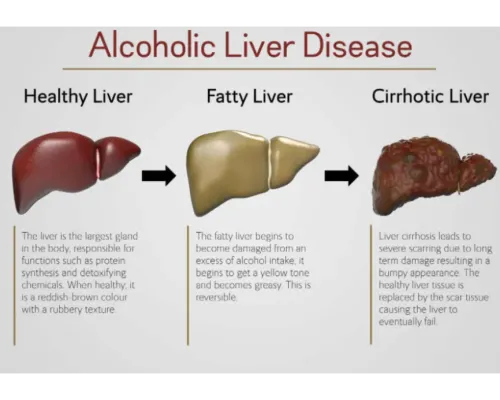
- Liver cirrhosis requiring transplant evaluation
- Acute liver failure
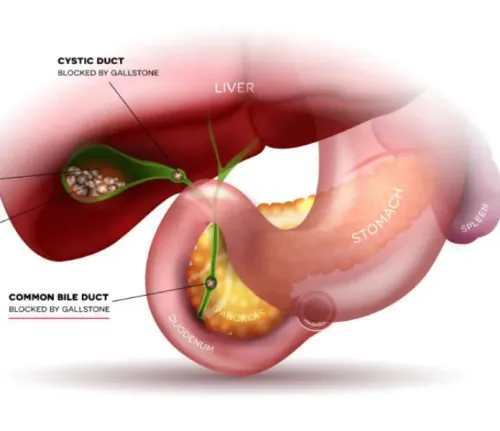
- Complex gallstone disease involving the bile ducts
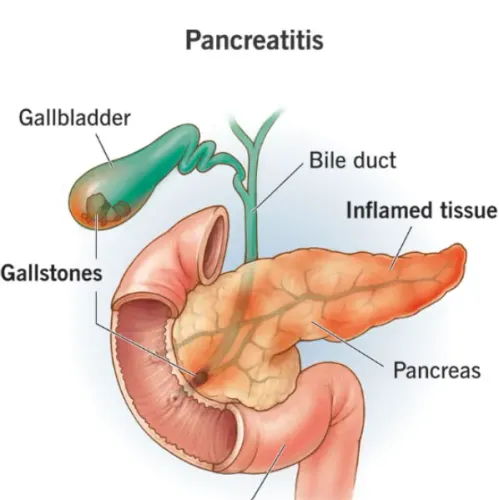
- Recurrent pancreatitis
- Large liver cysts or tumours
- Benign and malignant liver lesions that require surgery
These conditions frequently require detailed imaging, specialised investigations, and careful treatment planning.
Questions You Should Ask During Your Consultation
Preparing questions in advance helps patients better understand their condition and treatment plan.
Consider asking:
- What is the exact diagnosis?
- Is surgery the only available treatment?
- Are there minimally invasive alternatives?
- What happens if treatment is delayed?
- What are the possible risks and complications?
- How much healthy liver tissue will remain after surgery?
- Will additional treatments such as chemotherapy be required?
- What is the expected recovery period?
- How often will follow-up visits be needed?
- Should liver transplantation also be considered?
These discussions help patients participate actively in decisions about their care.
What Information Should You Carry?
A productive second opinion depends on complete medical records.
Bring copies of:
- Previous consultation notes
- Blood investigation reports
- Liver function tests
- CT scan or MRI films and reports
- Ultrasound reports
- PET scan reports, if available
- Endoscopy or ERCP reports
- Biopsy reports
- Current medication list
Having complete records often avoids repeating unnecessary investigations and allows the specialist to provide more accurate recommendations.
Why Multidisciplinary Care Makes a Difference
Liver and HPB diseases often involve several organs working together. As a result, treatment planning benefits from the expertise of multiple specialists.
A multidisciplinary team may include:
- Hepatologists
- HPB surgeons
- Gastrointestinal surgeons
- Liver transplant surgeons
- Medical oncologists
- Radiologists
- Pathologists
- Anaesthesiologists
- Critical care specialists
- Nutrition experts
This collaborative approach ensures that treatment decisions are based on comprehensive evaluation rather than a single perspective.
Signs That You Should Not Delay Further Evaluation
While obtaining a second opinion is valuable, certain symptoms require immediate medical attention rather than waiting for another consultation.
Seek urgent care if you develop:
- Severe jaundice
- Persistent vomiting
- High fever with chills
- Vomiting blood
- Black stools
- Severe abdominal pain
- Sudden confusion
- Increasing abdominal swelling
- Difficulty breathing
These symptoms may indicate serious complications requiring emergency treatment.
Preparing for Liver or HPB Surgery
If surgery is ultimately recommended, preparing physically and mentally can support recovery.
Patients are often advised to:
- Follow prescribed dietary recommendations.
- Stop smoking and avoid alcohol.
- Control diabetes and blood pressure.
- Stay physically active as advised.
- Discuss all medications with the treating doctor.
- Arrange family support for the recovery period.
- Attend all preoperative assessments.
Following these recommendations helps optimise overall health before surgery.
Frequently Asked Questions
Does seeking a second opinion delay treatment?
In most cases, obtaining a timely second opinion helps patients make informed decisions without causing unnecessary delays. For emergency conditions, treatment should begin immediately.
Will another specialist repeat all the tests?
Not always. Existing investigations are often reviewed first, and only additional tests that are clinically necessary are recommended.
Is a second opinion appropriate even if I trust my doctor?
Yes. Complex liver and HPB conditions often benefit from independent expert review, and many specialists encourage patients to seek additional guidance before major surgery.
How do I choose the right specialist?
Look for a surgeon or liver specialist with experience in managing complex hepatobiliary diseases, access to advanced diagnostic facilities, and a multidisciplinary approach to patient care.
Making an Informed Treatment Decision
Major liver and HPB conditions require careful evaluation because every patient's medical history, liver function, and overall health are different. Taking the time to understand your diagnosis and available treatment options helps you make confident decisions about your health.
For patients in PCMC and nearby regions of Maharashtra, Dr Amol Jadhav's Comprehensive Liver Care Center offers comprehensive evaluation for liver diseases, liver transplantation, hepato-pancreato-biliary surgery, gallbladder disorders, pancreatic diseases, and complex gastrointestinal conditions. By combining advanced diagnostics with multidisciplinary expertise and evidence-based treatment planning, the centre helps patients and their families understand every available option before proceeding with treatment.
Keywords