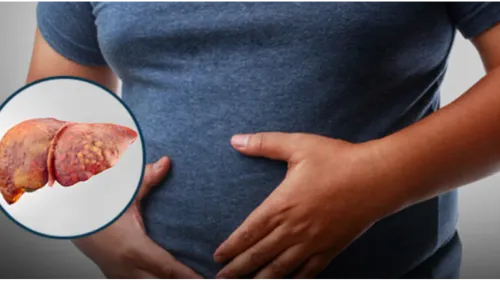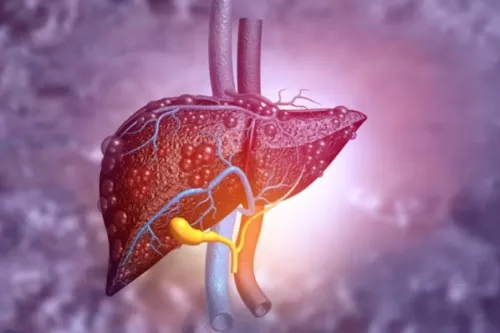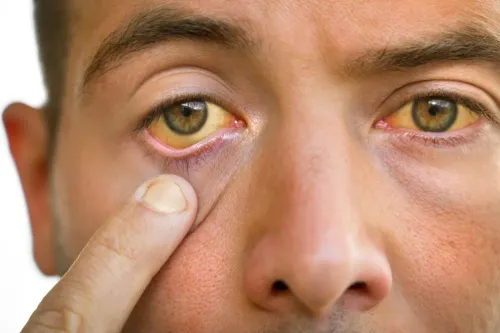
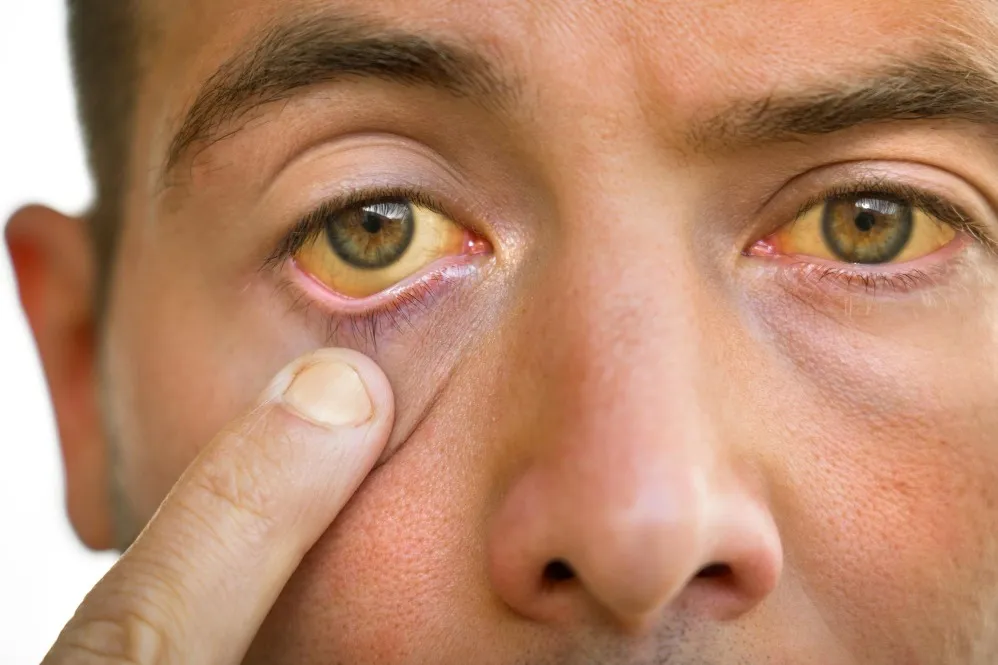
Many people think jaundice is a disease, but it is actually a visible sign that something is affecting the liver, bile ducts, pancreas, or blood. The yellow discoloration of the eyes and skin develops because bilirubin, a yellow pigment, builds up in the bloodstream when the body cannot process or remove it properly.
Visiting a Jaundice Treatment Specialist in PCMC helps identify the underlying cause rather than simply treating the visible symptoms. Since jaundice can result from several different medical conditions, accurate diagnosis is essential.
What Causes Jaundice?
Jaundice develops when bilirubin levels become higher than normal.
This may happen because of:
- Viral hepatitis
- Liver inflammation
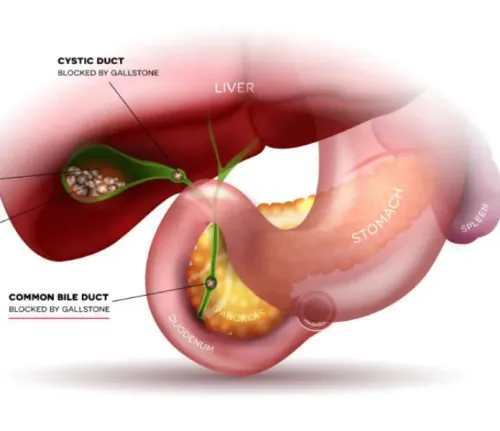
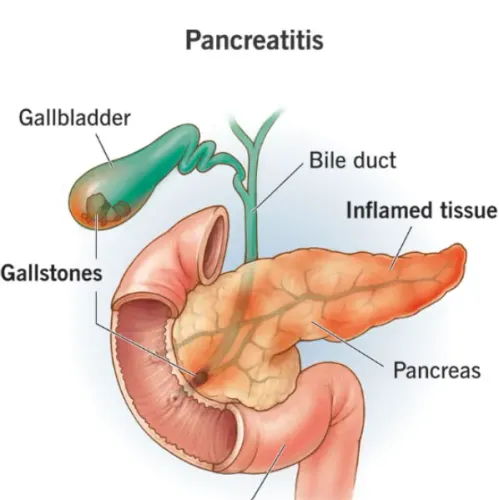
- Gallstones blocking the bile duct
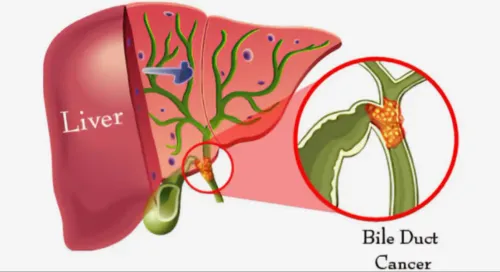
- Bile duct disorders
- Liver cirrhosis
- Certain blood disorders
- Pancreatic diseases
- Liver cancer
- Medication-related liver injury
Because treatment varies according to the underlying cause, identifying the source of the problem is the first priority.
Common Symptoms That May Accompany Jaundice
Yellow eyes are often the most noticeable sign, but many patients experience additional symptoms.
These may include:
- Yellow skin
- Dark urine
- Pale stools
- Itching
- Fever
- Loss of appetite
- Nausea
- Fatigue
- Abdominal pain
The combination of symptoms often provides important clues about the underlying condition.
Different Types of Jaundice
Doctors generally classify jaundice into three categories.
Pre-hepatic jaundice
This occurs when excessive breakdown of red blood cells produces more bilirubin than the liver can process.
Hepatic jaundice
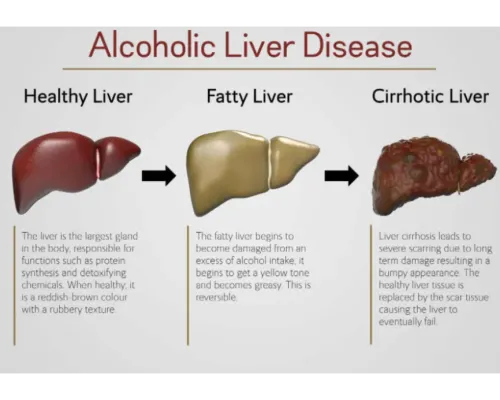
This develops when liver cells are damaged due to conditions such as hepatitis, fatty liver disease, alcohol-related liver injury, or cirrhosis.
Post-hepatic jaundice
This occurs when bile cannot flow normally because of an obstruction, such as gallstones or bile duct narrowing.
Understanding the type of jaundice helps determine the most appropriate treatment.
How Is Jaundice Diagnosed?
Diagnosis involves identifying why bilirubin has increased.
Investigations commonly include:
- Liver function tests
- Complete blood count
- Bilirubin levels
- Viral hepatitis screening
- Ultrasound examination
- CT scan or MRI when indicated
- MRCP for bile duct assessment in selected patients
The findings help distinguish between liver disease, bile duct obstruction, and other causes.
Treatment Depends on the Underlying Problem
There is no single medicine that cures jaundice because it is a symptom rather than a diagnosis.
Treatment may involve:
- Managing viral hepatitis
- Removing bile duct stones
- Treating liver inflammation
- Addressing gallbladder disorders
- Managing pancreatic diseases
- Treating blood-related conditions
Self-medication should be avoided because certain medications can worsen liver function.
Common Misconceptions About Jaundice
Several myths continue to delay proper treatment.
Some of the most common misconceptions include:
- Jaundice always improves with home remedies.
- Yellow foods should never be eaten.
- Herbal medicines are always safe for the liver.
- Once the yellow colour disappears, treatment is no longer necessary.
In reality, the disappearance of symptoms does not always mean the underlying disease has resolved completely.
Supporting Recovery
Patients recovering from jaundice are usually advised to:
- Stay hydrated
- Eat balanced, easily digestible meals
- Avoid alcohol
- Follow prescribed medications
- Attend follow-up appointments
- Rest adequately
- Complete all recommended investigations
Following medical advice helps the liver recover while reducing the risk of complications.
When Is Urgent Medical Care Needed?
Immediate evaluation is important if jaundice occurs along with:
- High fever
- Severe abdominal pain
- Persistent vomiting
- Confusion
- Excessive drowsiness
- Bleeding tendencies
- Rapidly worsening weakness
These symptoms may indicate serious liver or biliary disease requiring prompt treatment.
Dr Amol Jadhav's Comprehensive Liver Care Center provides comprehensive evaluation for patients with jaundice by identifying the exact cause through detailed clinical assessment and advanced diagnostic investigations. Patients across PCMC benefit from specialised care for liver, gallbladder, bile duct, and pancreatic conditions, ensuring treatment is directed at the underlying disorder rather than the symptom alone.
Jaundice should always be viewed as a signal that deserves medical attention. Early diagnosis not only improves treatment outcomes but also helps preserve liver function and prevent avoidable complications.
Keywords